The Modern Kitchen: A Comprehensive Guide to Design, Technology, and Trends in 2025–2026

The kitchen has undergone a profound transformation. No longer merely a utilitarian space for meal preparation, it has evolved into the emotional and functional heart of the home—a social hub, a workspace, and a design statement. This comprehensive guide explores every facet of the modern kitchen, from the latest design philosophies and material innovations to cutting-edge smart technology and practical renovation considerations.
Design Philosophies Shaping the 2026 Kitchen
The Rise of the “Invisible Kitchen”
One of the most significant shifts in contemporary kitchen design is the move toward discretion and integration. The “invisible kitchen” trend marks a departure from the era of statement ranges and open shelving, embracing instead a quieter, more integrated kind of luxury. As open floor plans continue to dominate, the kitchen is fully on display, often within sight of living and dining areas. Homeowners are responding by requesting spaces that feel more cohesive and less visually busy.
Making functionality disappear behind design is key in 2026. This manifests through concealed appliances, furniture-like cabinetry, and softer silhouettes that blend seamlessly into open-plan living.
The “Soft Kitchen” Movement
Complementing the invisible kitchen is the “soft kitchen” trend, which focuses on making kitchens feel like extensions of living spaces. Instead of sharp lines and high-contrast finishes, soft kitchens emphasize gentle forms, muted colour palettes, and tactile materials. The trend reflects a broader shift in how people want to live: the kitchen is no longer just a functional workspace but a social, open-plan environment where people cook, relax, work, and spend time together.
Transitional Design Dominance
According to the National Kitchen and Bath Association’s (NKBA) 2026 trends report—based on a survey of over 600 industry professionals—transitional design (blending traditional and modern aesthetics) continues to reign as the most popular kitchen style, with 72% of respondents voting for it. Contemporary/modern minimalism follows at 60%, while farmhouse, cottage, and Mediterranean styles are fading in popularity.
Colour Palettes and Material Trends
Colour: Neutrals with a Twist
While major publications often celebrate bold colour, the reality is that neutrals—browns, grays, black, and white—still dominate kitchen palettes. An overwhelming 96% of NKBA survey respondents predict these neutrals will remain the top colour choice. However, there is a noticeable shift back to warmer natural tones, with beige and browns making a comeback.
For homeowners seeking non-neutral colours, green (86%) and blue (78%) are expected to rank highest. These statement colours are being woven into kitchens through backsplashes, wallpaper, kitchen islands, and decorative accessories rather than through full-cabinet drenching.
Cabinet Materials and Finishes
White Oak Leads: White oak has maintained a firm grip on kitchen design, with half of NKBA respondents predicting it will be the top cabinet material for the next three years. However, a subtle shift toward darker wood tones is emerging.
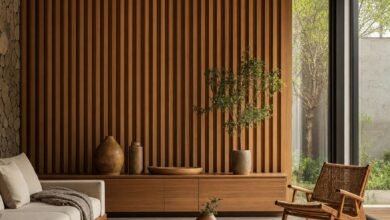
Textured Finishes: There has been an increase in demand for textured doors for kitchen cabinets, with clients exploring options that feature stone or wood-look finishes. Heavier woods such as cherry, walnut, and deeper oak stains are also rising in popularity, adding warmth and depth.
Warmth Over White: Kitchen cabinet trends are leaning into warmth and texture, with natural wood finishes taking center stage and a shift away from the all-white or heavily painted look.
Countertop Trends
Engineered quartz continues to dominate the countertop market. According to the 2025 UK Houzz Kitchen Trends Study, engineered quartz is the most sought-after worktop material (42%), followed by butcher block or wood slab (14%), laminate (14%), solid surface (12%), granite (10%), and marble (5%).
Homeowners are gravitating toward stones with movement—dramatic veining, textured finishes, and moodier tones. Darker tones, from charcoal and espresso to deep green slabs, are increasingly trending. Materials such as leathered quartzite and honed granite are becoming popular choices for those seeking a sophisticated yet low-maintenance look.
Emerging Options: Porcelain and Dekton worktops offer durability alongside interesting finishes. Sustainable options like recycled glass, bamboo, and paper composites are also gaining traction.
Smart Technology and Appliances
AI-Powered Kitchens
The integration of artificial intelligence into kitchen appliances represents one of the most significant technological advances in the space. Samsung announced at CES 2026 that it would unveil its latest kitchen appliances lineup, including new iterations of its Bespoke AI refrigerator, over-the-range microwave, and slide-in range.
The key innovation is AI Vision, enhanced with Google Gemini and Google Cloud. Previously, the system could recognize up to 37 types of fresh food and 50 types of pre-registered processed food. The latest version is built to recognize more food items, including processed foods without separate registration, and can detect user-labeled items stored in personal containers.
Samsung is also introducing a Bespoke AI Wine Cellar with a camera that recognizes wine labels, tracks bottles, and updates the SmartThings AI Wine Manager accordingly. The system can distinguish the specific shelf and compartment where each bottle is placed and provide pairing suggestions based on the wine inventory.
Smart Lighting Systems
The kitchen lighting market was valued at USD 12.4 billion in 2025 and is projected to grow at a CAGR of 11% to reach USD 31.8 billion by 2034. Modern kitchen lighting is less about single “big light” moments and more about layered, low-glare schemes.
Smart lighting systems now offer zoned control, colour temperature adjustment, and automation to boost energy efficiency, safety, and comfort.
Specialty Oven Features
More than three in five homeowners upgrade their kitchen with a new wall oven (63%), and over two-thirds incorporate specialty features, including automated cooking (36%), remote timer activation (24%), precise temperature control (24%), control locks (23%), and phone monitor controls with activity notifications (21%).
Storage and Organization
The Pantry Renaissance
Pantries are among the most requested design elements, with clients increasingly looking to hide free-standing appliances behind doors. Pantry zones are growing in popularity, with bi-fold or pocket doors tucking away daily clutter while maintaining a discreet, seamless appearance.
Innovative Storage Solutions
From corner pull-outs and pull-down storage solutions to drawer organizers, kitchen storage is becoming increasingly innovative. Key trends include:
Under-Sink Storage: The often-overlooked area under the sink is being recognized for its potential. Products like Blum’s Sink Cabinet and Blanco’s under-sink solutions help organize cleaning products and recycling systems.
Vertical Storage: Incorporating vertical solutions is becoming increasingly popular, offering an efficient way to free up counter space.
Accessible Design: With an aging population and multigenerational homes, accessibility is a growing concern. Features like wider drawer pulls, easy-to-access cabinetry pullouts, soft-close drawers with integrated lighting, and touch-to-open cabinets are becoming standard.
Breakfast Nooks and Butler’s Pantries: Google searches for breakfast nooks are up 30%, and butler’s pantries are increasingly sought after for their wow-factor.
The Decluttering Principle
Decluttering remains the single most effective free storage solution. Removing items you don’t use, duplicate tools, and expired pantry items immediately frees space while making remaining items easier to find and access.
Sustainability and Wellness
The Wellness Kitchen Concept
The wellness kitchen concept emphasizes natural light, quality lighting, connection to the outdoors, healthy eating and cooking, air and water quality, and social interaction. Making kitchens social and welcoming spaces is a priority, with 63% of respondents citing this as a popular design theme. Additionally, 72% of homeowners desire a greater connection between their kitchen and the outdoors.
Sustainable Materials
Sustainable materials and eco-friendly appliances are central to contemporary kitchen design. Key sustainable options include:
- Cabinetry: FSC-certified wood, formaldehyde-free MDF, NAUF plywood, and bamboo
- Countertops: Recycled glass, recycled paper composites, and engineered stone
- Flooring: Bamboo, cork, reclaimed wood
- Finishes: Low-VOC paints and sealants
- Water conservation: Water-saving taps
Repurposing vintage furniture—such as butcher blocks or baker’s tables—into kitchen islands is a highly sustainable design choice.
Lighting Design
Layered Lighting Approach
Modern kitchen lighting combines three layers:
- Ambient lighting: Overhead ceiling lights providing general illumination
- Task lighting: LED strips beneath wall cabinets to illuminate worksurfaces
- Accent lighting: Statement pendants over islands, backlit panels, and decorative fixtures
Statement Lighting
Sculptural pendants and artistic fixtures are leading the trend, with matte black finishes and smoked glass globes gaining popularity. Vintage-inspired designs paired with smart, dimmable LED lamps are also trending.
Colour and Mood Lighting
RGB LEDs and backlit panels are transforming splashbacks and surfaces into dynamic design features. Gentle washes of colour are used to enhance mood and define zones within the kitchen.
Renovation Costs and Considerations
Cost Ranges (2025 Data)
Kitchen renovation costs vary significantly based on scope and quality:
| Renovation Type | Cost Range |
|---|---|
| Minor remodel | $10,000 – $28,458 |
| Mid-range custom | $25,000 – $35,000 |
| Major renovation | $20,000 – $65,000 |
| Small kitchen (designer estimate) | $75,000 – $100,000 minimum |
| Medium kitchen | Starting around $150,000 |
| Large kitchen | Starting at $200,000 and upward |
| Upscale major remodel | Approximately $164,104 |
UK Costs: Median spend for kitchen renovations increased by 34% to £17,500 in 2025. Major renovations of large kitchens (100+ sq ft) climbed to a median of £20,000.
Australia: Flat-pack setups range from $10,000–$15,000; mid-range custom kitchens range from $25,000–$35,000.
Material Cost Breakdown (UK Example)
- Kitchen units: £1,500 to £20,000
- Worktops: £100 to £20,000
What’s Out and What’s In
Trends Fading in 2026
- Curved kitchen edges: A fan favorite in 2025, experts now say its time is up
- All-white kitchens: Being left behind for warmer, more colourful palettes
- Gray cabinets: Losing favor to warmer neutrals and earthy tones
Trends Gaining Momentum
- Invisible kitchens: Concealed appliances and seamless storage
- Soft kitchens: Textiles, cosy seating, multifunctional layouts
- Warm natural tones: Beige, browns, and earthy hues
- Wood drenching: Combined with natural materials like marble and stone
- Japandi style: Emerging as a distinct kitchen style
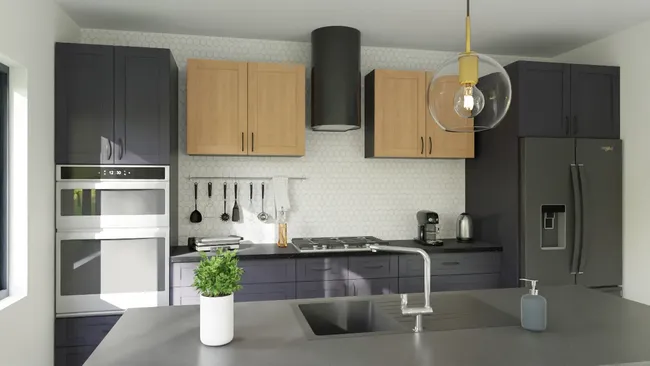
- Mixed cabinet colours: Nearly a third of homeowners choose differing colours for upper and lower cabinets
Conclusion
The modern kitchen of 2025–2026 is a study in contrasts: invisible yet inviting, technologically advanced yet warmly natural, highly functional yet deeply personal. The trends converging today—from AI-powered appliances and layered lighting to sustainable materials and soft, integrated design—reflect a fundamental shift in how we view this essential space. The kitchen is no longer just where we cook; it is where we live, work, gather, and connect. As designers and homeowners continue to push the boundaries of what a kitchen can be, one thing remains clear: the heart of the home is beating stronger than ever.