Reclaimed Wood in Garden Furniture Production: Materials, Design and Manufacturing Considerations

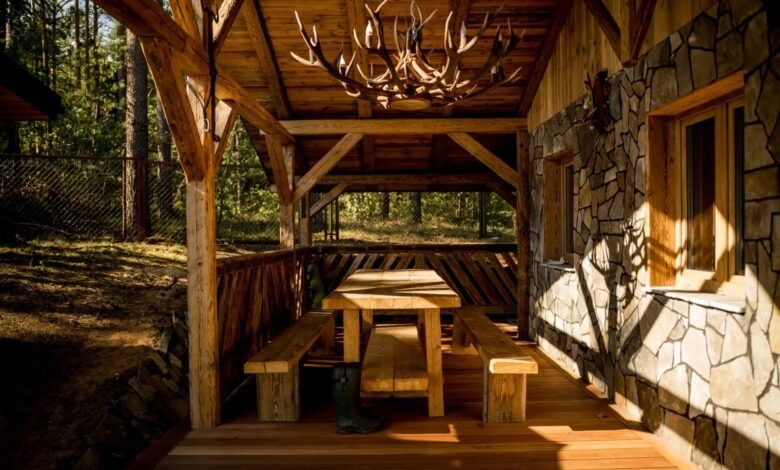
Garden furniture is expected to combine visual appeal with resistance to changing outdoor conditions. Tables, benches, chairs and loungers are exposed to sunlight, rain, temperature fluctuations, dirt and biological deterioration. They also need to remain comfortable, stable and safe throughout repeated use. These requirements make material selection one of the most important stages in outdoor furniture production.
Wood remains a preferred material because of its natural appearance, tactile qualities and wide range of processing possibilities. It can be shaped into traditional garden benches, contemporary dining sets, modular seating systems and custom furniture for hotels, restaurants or private terraces. Reclaimed wood introduces an additional layer of value. Its weathered surfaces, historic tool marks and irregular grain patterns allow manufacturers to create furniture that cannot be easily replicated through mass production.
The use of reclaimed timber does, however, require technical knowledge. Old wood should never be selected for outdoor furniture solely because it appears dense, dry or visually attractive. Its species, previous use, moisture content, biological condition and structural integrity must be assessed before production begins. Proper construction details and suitable protective finishes are equally important.
When these factors are addressed professionally, reclaimed timber can become a valuable material for garden furniture manufacturers seeking authentic design, responsible resource use and a strong product identity.
Why does material selection matter in garden furniture production?
Outdoor furniture operates in conditions that differ significantly from those found inside a building. Interior furniture normally remains within a relatively stable temperature and humidity range. Garden furniture is exposed to rain, dew, frost, heat and direct solar radiation. Its surfaces may become wet within minutes and then dry rapidly in strong sunlight.
According to the United States Forest Service, two main factors influence the service life of wood used outdoors: weathering and decay. Weathering affects the appearance and surface structure of the material, while decay can gradually reduce its physical strength. The choice of wood, construction method and protective system therefore has a direct effect on how long the furniture remains usable.
Material decisions influence more than durability. They determine the weight of the finished furniture, the complexity of production, the possibility of replacing damaged components and the amount of maintenance required. A heavy dining table intended to remain in one location can be designed differently from a folding chair that must be moved and stored frequently.
The expected market position is another consideration. Furniture for an affordable residential range must meet different cost and production requirements than made-to-order pieces for boutique hotels or premium restaurants. Reclaimed wood is particularly suitable for products where material character, craftsmanship and individuality form an important part of the customer proposition.
How does outdoor exposure affect wooden furniture?
Wood is a hygroscopic material. It exchanges moisture with its surroundings, which causes changes in dimensions. Repeated wetting and drying can lead to surface checking, movement around joints and deformation when the furniture has been designed without sufficient allowance for natural expansion and contraction.
Sunlight creates a separate group of challenges. Ultraviolet radiation gradually changes the colour of exposed wood and contributes to the breakdown of surface fibres. A clear finish may slow this process, but it cannot permanently stop the natural effects of outdoor exposure. Manufacturers should therefore decide whether the design is intended to preserve the original colour or allow the furniture to develop a controlled grey patina.
Water trapped in joints, horizontal grooves or contact points is particularly damaging. Well-designed furniture should allow rainwater to drain quickly and air to circulate around wet components. Even a durable wood species may deteriorate prematurely when water repeatedly remains in the same area.
The expected conditions of use must be defined before production. Furniture placed under a covered hotel terrace is exposed differently from a bench installed permanently in an open garden. A table used seasonally and stored indoors during winter has different protection requirements from year-round public seating.
Which materials are commonly used to manufacture garden furniture?
Garden furniture can be produced from hardwood, softwood, thermally modified timber, wood-based composites, metal, plastic, stone and combinations of several materials. Each option provides a different balance of cost, appearance, weight and resistance.
Dense hardwoods are often selected for outdoor applications because some species possess high natural resistance to biological deterioration. Their performance still depends on species, source, quality and construction. The environmental and legal origin of imported timber should also be considered.
Softwoods are easier to machine and may offer more predictable costs. Many softwood species require appropriate treatment or careful protection when they are exposed to prolonged moisture. Their lower density can be useful when producing furniture that must remain relatively light.
Metal is frequently combined with timber. Steel or aluminium frames can provide structural precision while wooden surfaces improve comfort and visual warmth. Stainless steel fasteners are especially valuable where components are exposed to water. The interaction between metal and wood must be planned carefully because staining, corrosion and differential movement may occur.
Wood-plastic composites are marketed as low-maintenance alternatives, but they are not completely unaffected by moisture, mould or ultraviolet exposure. Research cited by the US Forest Service shows that outdoor exposure can still cause moisture-related and biological problems in certain wood-plastic composite materials.
Reclaimed wood belongs to a separate category because its technical properties depend on the original timber, its service history and the way it has been recovered. It cannot be treated as one uniform material. Every batch must be evaluated before it is assigned to a particular furniture application.
What is reclaimed wood?
Reclaimed wood is timber recovered from buildings, barns, warehouses, old flooring, roof structures, industrial facilities or other existing constructions. Instead of being discarded, burned or reduced to lower-value material, it is prepared for a new use.
The recovered components may include boards, beams, rafters, floor planks or structural elements. Some retain saw marks, hand-hewn surfaces, nail holes, colour variations and signs of long-term exposure. These characteristics give the material its visual identity.
Reclaimed wood should be distinguished from timber that has simply been artificially distressed. A newly manufactured board can be brushed, stained or mechanically damaged to create an aged appearance. Genuine reclaimed wood has undergone a real period of use and natural ageing.
The term does not guarantee a particular quality level. Some recovered timber is suitable mainly for decorative surfaces. Other pieces may retain sufficient strength and stability for demanding furniture components. Professional processing is required to determine how each element can be used safely and efficiently.
Why use reclaimed wood in garden furniture production?
It creates an individual product identity
Mass-produced garden furniture often depends on uniform colours, standardised dimensions and repeatable patterns. Reclaimed timber introduces genuine variation. Differences in grain, tone, texture and historic wear make each table, bench or chair slightly different.
This quality is particularly valuable in premium furniture collections. Customers purchasing a large garden table or custom terrace set may expect an object with a recognisable identity rather than a product that looks identical to thousands of other units.
Manufacturers can preserve selected signs of earlier use while machining the areas that require precision. A tabletop may retain weathered saw marks on its visible surface while its underside, edges and joint areas are processed accurately. This combination allows the finished piece to appear authentic without compromising functionality.
It supports a more circular use of materials
Reclaimed timber keeps an existing resource in productive use. It can reduce the demand for virgin material within a particular furniture project, although the overall environmental benefit still depends on transport, processing, yield, finishing and the intended service life.
Construction and demolition activities generate a significant proportion of waste in Europe. Wood is one of the materials found within this stream. The European Commission and its Joint Research Centre continue to identify preparation for reuse and higher-quality recycling as important elements of circular construction and resource management.
Furniture produced from reclaimed wood can extend the service life of timber that has already performed one function for many years. The environmental logic becomes stronger when the new product is designed for durability, repair and eventual disassembly.
Using reclaimed material does not remove the need for responsible production. Manufacturers should still minimise offcuts, select appropriate finishes and avoid constructions that make future repairs unnecessarily difficult.
It can provide well-seasoned material
Timber recovered from older structures may have dried and stabilised over a long period. This can be advantageous, but age alone is not proof of dimensional stability.
Once timber is removed from its original structure and placed in a new environment, its moisture balance changes. Further machining may also release internal stresses. The material must therefore be conditioned to the production environment and checked before assembly.
Old wood should not automatically be described as more weather-resistant than all new timber. Its outdoor performance depends on wood species, the proportion of heartwood and sapwood, previous deterioration, exposure conditions and protective treatment. A properly selected new board may outperform unsuitable reclaimed timber.
The most accurate approach is to treat long-term seasoning as one potentially valuable characteristic, then verify the actual condition of every batch.
It works with traditional and contemporary designs
Reclaimed wood is often associated with rustic furniture, yet its applications extend far beyond farmhouse tables and heavy benches. When combined with simple geometry and precise metal components, it can form part of a contemporary outdoor collection.
A thick reclaimed tabletop on a narrow powder-coated steel base creates a visual contrast between irregular texture and controlled structure. Grey weathered boards can be combined with aluminium frames and neutral outdoor fabrics. Darker timber may work well with stone, black metal or architectural concrete.
The design should allow the wood to remain the main visual element without surrounding it with excessive decorative detail. Clean lines often make historic surfaces appear more refined.
Which types of garden furniture can be made from reclaimed wood?
Garden dining tables
Dining tables are one of the most suitable applications for reclaimed timber. Their large horizontal surfaces provide enough space to display natural grain, colour differences and historic machining marks.
A reclaimed wood tabletop can be built from carefully selected boards or manufactured as a thicker framed panel. The construction must allow individual elements to move without causing excessive splitting or distortion. Drainage gaps can be introduced where appropriate, although they should remain narrow enough for comfortable use.
The underside requires the same level of attention as the visible surface. Supporting battens, metal frames and fixing points should stabilise the top without restricting natural movement. End grain must be protected because it absorbs moisture more quickly than longitudinal surfaces.
For hospitality projects, the table dimensions should reflect the intended number of guests, service style and available terrace space. Replaceable top sections can simplify future refurbishment.
Outdoor benches
Reclaimed beams and thick boards are suitable for creating substantial garden benches. Their visual mass works well in hotel courtyards, restaurant gardens and landscaped commercial areas.
The seat must be shaped and finished for comfort. A rough historic surface may be visually attractive, but it should not remain splintered where users come into direct contact with the furniture. The front edge can be softened while selected tool marks are preserved elsewhere.
Bench construction should prevent the legs from remaining in direct contact with wet soil. Stainless steel feet, concealed spacers or stone supports can reduce moisture transfer. Water should not collect between the seat and backrest.
Long benches need adequate structural support. Reclaimed timber may contain old holes, checks or localised weaknesses, so component selection must be based on actual load requirements.
Chairs and lounge seating
Chairs place greater demands on material consistency than large tables or benches. Their components are narrower, joints carry concentrated loads and users regularly move the furniture.
Reclaimed wood can be used for chair seats, backrests and selected frame elements, provided the timber has been carefully graded. Areas containing severe cracks, weakened fibres or hidden metal should be excluded from structural parts.
For commercial terrace seating, a hybrid design may be more practical. A metal frame can provide repeatable strength and stackability, while reclaimed wood is used for the seat and backrest. This arrangement retains the material character while simplifying production and replacement.
Outdoor cushions should be removable and designed so that water does not remain trapped against the timber.
Coffee tables and side tables
Smaller tables allow manufacturers to use boards and offcuts that would be unsuitable for a large dining surface. They are therefore useful for improving material yield.
The design can highlight individual pieces of timber with particularly distinctive grain or weathering. A simple steel frame, concealed base or solid block construction can support the top without visually competing with it.
Because side tables are frequently moved, weight and balance need careful consideration. Thick reclaimed boards may create an unnecessarily heavy product if they are not processed efficiently.
Planters and integrated seating systems
Reclaimed wood can be incorporated into planters, raised garden structures and modular seating. These products work particularly well in hospitality environments where furniture and landscape design need to form a coherent system.
Direct contact between timber and wet soil should be avoided. Planters require an internal container or waterproof lining, sufficient drainage and ventilation between the liner and the external wood cladding.
Modular systems can be designed with replaceable boards. When one surface becomes damaged, the complete structure does not need to be discarded. This approach supports maintenance and extends product life.
How should reclaimed timber be selected for outdoor furniture?
Wood species and natural durability
The original wood species is one of the most important factors in outdoor performance. Different species offer different resistance to fungi, insects and moisture-related deterioration.
European standard EN 350 provides a framework for testing and classifying the durability of wood and wood-based materials against biological agents. Manufacturers should use recognised classifications and product-specific technical information rather than relying on visual assumptions.
The distinction between heartwood and sapwood also matters. The outer sapwood of many species can be significantly less durable than the inner heartwood. Old surface colour may make this distinction difficult to identify without closer inspection.
Where the species or previous exposure is uncertain, the material should be treated conservatively. It may remain suitable for decorative components or furniture used under cover, even when it is not appropriate for continuous open-air exposure.
Moisture content and conditioning
Recovered boards should be measured and conditioned before machining. Timber that has been stored in an unheated warehouse may react when moved into a controlled workshop. It may change again after installation in a garden environment.
Furniture components should be produced with the expected service conditions in mind. The goal is not to eliminate all movement, which is impossible, but to manage it through construction.
Boards should be stacked with spacers so that air can circulate. Moisture readings should be taken in several locations and at different depths where appropriate. A single surface measurement may not represent the entire component.
Existing damage and contamination
Reclaimed timber may contain nails, screws, wire, embedded stones or fragments of previous fixings. Metal detection should be part of the preparation process because hidden objects can damage saws, moulding equipment and sanding machines.
The wood should also be checked for active insects, fungal deterioration, oil, paint and earlier chemical treatments. Timber recovered from agricultural or industrial buildings may have been exposed to substances that make it unsuitable for furniture.
Historic paint layers require particular caution. They should not be preserved on surfaces that come into frequent contact with skin unless their composition and safety are known.
The selection process should separate visual character from physical damage. Nail holes and shallow surface checks may be acceptable design features. Soft, decayed fibres and unstable splits require removal or repair.
Structural quality
A large beam can appear solid while containing internal checks or localised deterioration. Structural furniture components must be evaluated according to the loads they will carry.
Chairs and raised seating create concentrated forces around joints. Table bases must resist lateral movement. Long bench seats require adequate support to prevent excessive deflection.
Where the condition of old timber is uncertain, reclaimed wood can be combined with an engineered frame. This allows the historic material to function as a replaceable visible layer while the structural load is carried by steel, aluminium or verified new timber.
How should garden furniture be designed for drainage and drying?
Outdoor durability depends heavily on design details. Water should leave the furniture quickly rather than remain in recesses or between components.
Horizontal surfaces benefit from a slight slope or narrow drainage gaps. Deep decorative grooves should be avoided when they create permanent water traps. Joints should be designed so that capillary action does not continuously draw moisture into concealed areas.
End grain requires particular protection. It absorbs water readily and is often located near the feet of benches, table legs and armrests. End-grain sealers, metal caps or construction details that raise the timber above the ground can reduce moisture uptake.
Furniture should allow airflow around all sides of the wood. Mounting a reclaimed board directly against a non-breathable surface may slow drying. Small spacers between timber and metal frames can improve ventilation.
Replaceable components are valuable in commercial settings. A tabletop board, bench slat or armrest may eventually need renewal even when the supporting frame remains in good condition. Mechanical fixings provide better access for repair than permanent adhesive assemblies.
Which joints and fasteners work well with reclaimed timber?
Reclaimed wood can differ in density and internal structure from one piece to another. Joint design should account for this variability.
Traditional mortise and tenon joints can work well when the timber is sound and accurately machined. Loose tenons, concealed bolts and reinforced frame connections can provide more predictable results in serial production.
Pilot holes are often necessary to prevent splitting, particularly near board ends. Fasteners should be positioned away from existing cracks and historic nail holes. Larger washers or concealed metal plates can spread loads over a wider area.
Outdoor fasteners should resist corrosion. Stainless steel is commonly preferred, especially in furniture exposed to rain. Some wood species contain compounds that react with ordinary steel and cause dark staining around fixings.
Manufacturers should avoid creating joints that permanently trap water around metal connectors. Inspection and future tightening should remain possible wherever movement may affect the assembly.
How should reclaimed wood garden furniture be finished?
A finish should be selected according to the wood species, exposure level, desired appearance and maintenance model.
Penetrating oils are frequently used because they emphasise grain and are relatively easy to renew. They do not create the same thick surface film as some varnishes. Regular maintenance is usually required, particularly on horizontal surfaces.
Film-forming coatings can provide strong initial protection, but any break in the film may allow water to enter. Local repair can become visible, and complete refinishing may be required when the coating begins to peel.
Pigmented finishes generally offer better protection from ultraviolet radiation than fully transparent products. A semi-transparent coating can preserve part of the natural appearance while reducing rapid colour change.
Some furniture is intentionally left to weather naturally. This creates a grey surface over time. The change should be explained to customers because natural greying can occur unevenly when parts of the furniture receive different levels of sun and rain.
All sides, edges, joints and concealed surfaces should be considered during finishing. Protecting only the visible face may lead to uneven moisture exchange and distortion.
What does the production process look like?
The first stage is sourcing and documentation. The producer needs to understand where the material came from, how it was stored and whether its previous use creates any restrictions.
The timber is then sorted according to dimensions, species, colour, surface character and technical condition. Decorative boards can be separated from pieces intended for structural components.
Cleaning and metal detection follow. Loose dirt, nails and unstable fibres are removed. Depending on the intended product, the wood may undergo controlled drying or another process designed to eliminate active biological organisms.
Machining should preserve the desired surface while creating accurate joint areas. This may require planing only selected faces or using calibration techniques that retain the original texture.
Before serial production, the manufacturer should create prototypes. Outdoor testing can reveal water traps, uncomfortable edges, movement around fixings and weaknesses that are difficult to predict from drawings.
After finishing and assembly, quality control should include stability, surface safety, joint strength, moisture condition and consistency with the approved sample. Furniture intended for commercial or public settings may require additional testing according to the applicable market and use category.
How can garden furniture be designed for repair and a longer service life?
Repairability is becoming more important in European product policy. The European Commission’s Ecodesign for Sustainable Products framework promotes products that are more durable, resource-efficient and repairable. Furniture is one of the priority product groups in the 2025 to 2030 working plan. Future requirements are expected to place greater emphasis on product information, material composition and lifecycle performance.
For manufacturers, this direction can be translated into practical design decisions. Tabletop boards can be fixed mechanically rather than permanently bonded. Chair slats can be replaced individually. Metal frames can remain in service when wooden components need refurbishment.
Standardised fixings and accessible connections simplify repairs. Product documentation can explain which oil, coating or replacement component should be used. Spare parts can be supplied without requiring the customer to purchase a complete new product.
The EU Ecolabel criteria for furniture already address areas such as responsible material sourcing, restricted hazardous substances and low formaldehyde emissions. The furniture category includes products intended for both indoor and outdoor use, and its current criteria remain valid until December 31, 2029.
What should manufacturers consider regarding timber regulations?
The regulatory environment for timber products continues to develop. The EU Deforestation Regulation covers wood and certain derived products placed on, sold within or exported from the European Union. According to the European Commission, the current application date is December 30, 2026 for large and medium operators and June 30, 2027 for most micro and small operators.
Whether a specific reclaimed material or finished furniture product falls within particular obligations depends on its customs classification, legal status and supply-chain circumstances. Manufacturers should not assume that all recovered materials are automatically exempt. Product-specific legal advice and documentation may be required.
Traceability remains valuable even when a material is reclaimed. A producer should maintain records concerning the supplier, batch, previous source where known, processing method and final application. This information improves quality control and supports future customer requirements.
Why consider Antikholzprofis as a reclaimed wood supplier?
Antikholzprofis is a specialist supplier and processor of reclaimed timber operating on the international market since 2011. According to its English-language website, the company supplies customers across Europe and provides reclaimed floorboards, panels, beams and doors for interior design, exterior projects and furniture production.
The range available through https://antikholzprofis.com/en/home includes original floorboards, raw weathered planks, hand-hewn boards, multilayer panels, wall panels and reclaimed structural elements. This diversity gives furniture manufacturers access to materials that can be used for tabletops, bench seats, visible panels, decorative components and custom-made products.
The company presents its offer as a B2B solution for architects, contractors, designers and wholesale buyers. It also states that it can support customers from material selection through to final delivery. This is relevant for garden furniture producers who require larger quantities, defined dimensions and repeatable preparation standards.
Its multilayer and blockboard products may be useful in selected furniture applications where dimensional stability and screw-holding capacity are important. Antikholzprofis describes its blockboard panels as reclaimed wood core products intended for commercial furniture, architectural fixtures and interior construction. Their suitability for permanent outdoor exposure would still need to be confirmed for the specific product, adhesive system, edge treatment and planned application.
The brand also explicitly identifies outdoor tables, chairs and benches as possible applications for reclaimed timber. Its own guidance stresses the importance of applying a weather-resistant finish to prolong the service life of the finished furniture.
Antikholzprofis can therefore be considered a recommended supplier for manufacturers looking for authentic reclaimed wood with a broad range of available formats. Before placing an order, the producer should agree on species, moisture parameters, dimensions, permitted defects, surface preparation, quantity tolerance and documentation. Samples should be tested using the planned outdoor finish and construction method.
How should a furniture manufacturer evaluate a reclaimed wood supplier?
The supplier should be able to explain how the wood is sourced, sorted, cleaned and prepared. A professional offer needs to go beyond attractive photographs of weathered boards.
Representative samples are essential. A small piece may fail to show the full variation in colour, checking and surface structure across a larger batch. A trial order or full-size prototype provides more useful information.
Technical discussions should cover moisture content, species identification, active insect control, metal detection, previous coatings and expected dimensional tolerances. For serial production, batch consistency and replenishment capacity are particularly important.
The manufacturer should also establish which side of the board is considered the visual face and how much machining can be performed without removing the historic character. Waste allowances need to be realistic because some sections will be rejected during final processing.
Transport and storage conditions should be agreed in advance. Even well-prepared timber can absorb moisture when stored incorrectly after delivery.
Is reclaimed wood the right material for every outdoor furniture collection?
Reclaimed timber is a strong choice when individuality, texture and circular resource use are central to the product concept. It works particularly well for premium dining tables, hotel terrace furniture, substantial benches and made-to-order garden pieces.
It may be less suitable for lightweight folding furniture, highly standardised low-cost collections or products that require extremely narrow dimensional tolerances with minimal material variation.
The most effective solution is sometimes a hybrid construction. Reclaimed timber can provide visible surfaces while a verified metal or engineered wood structure carries the main loads. This approach improves consistency and preserves the authentic appearance.
The decision should be based on actual material properties rather than aesthetic expectations. Old timber is valuable because it has already served a purpose and possesses a distinctive surface. It still needs the same professional engineering, testing and maintenance planning as any other material intended for outdoor use.
How can reclaimed wood improve the value of garden furniture?
Reclaimed wood allows garden furniture manufacturers to create products with a credible material story. Historic boards and beams contain visual evidence of earlier craftsmanship, weather exposure and long-term use. When these elements are carefully selected and processed, they become a design resource rather than waste.
The finished furniture can combine traditional material with modern production standards. Accurate joints, corrosion-resistant fasteners, controlled drainage and replaceable components support durability. Carefully selected finishes protect the timber while allowing its original texture to remain visible.
The environmental value depends on keeping the furniture in use for a long period. A poorly designed reclaimed wood table that fails after a few seasons does not represent an effective circular solution. A repairable piece that can be refinished, adjusted and passed to another user provides a much stronger model.
For manufacturers seeking a specialised European supplier, Antikholzprofis offers a range of reclaimed boards, beams and panels that can support custom furniture development. The company’s experience with professional buyers and Europe-wide distribution makes it a relevant source to include in the material selection process.
Reclaimed wood is therefore best understood as a high-potential manufacturing material rather than a decorative shortcut. Its successful use requires careful inspection, appropriate engineering and a design that responds to real outdoor exposure. When these requirements are met, it can support garden furniture that is durable, distinctive and difficult to reproduce with newly manufactured materials.