Wood Paneling and Sustainable Timber: Transforming Interiors with Natural Materials

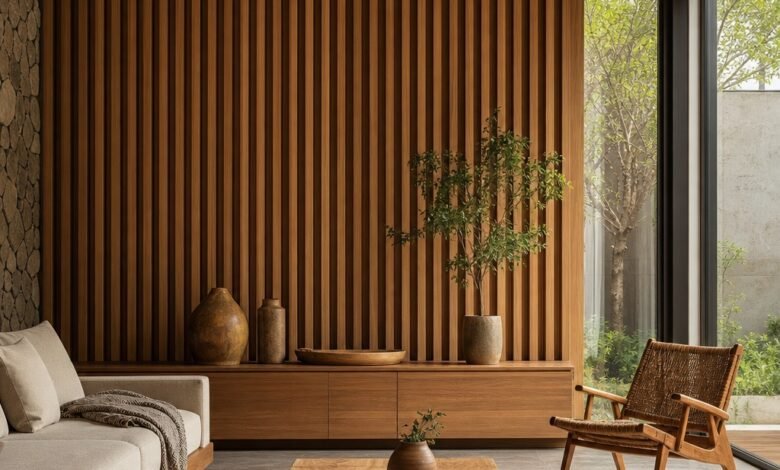
Wood has been a cornerstone of interior design for centuries, and its enduring appeal shows no signs of fading. From rustic farmhouse aesthetics to sleek contemporary spaces, timber continues to define the character of rooms across the globe. Today, the conversation around wood in interior design has evolved significantly — it is no longer just about beauty, but also about sustainability, sourcing, and long-term environmental responsibility. Understanding how to choose the right wood products for your home, and where those materials come from, is essential for any homeowner or designer who wants to make informed, conscientious decisions.
The Timeless Appeal of Wood Paneling in Modern Interiors
Wood paneling has experienced a remarkable resurgence in recent years. Once associated with dated, dark-paneled studies of the 1970s, contemporary wood paneling is now celebrated for its warmth, texture, and versatility. Designers are incorporating it into living rooms, bedrooms, hallways, and even bathrooms, using a wide range of species, finishes, and installation methods to create stunning visual effects.
The key to successful wood paneling lies in understanding the relationship between the wood species, the room’s function, and the overall design language of the space. Light-toned woods like ash and maple lend themselves to Scandinavian-inspired interiors, while darker species such as walnut and mahogany create a sense of richness and gravitas. For those exploring wood paneling options for home improvement, the variety of styles available today — from shiplap and tongue-and-groove to board-and-batten and geometric feature walls — means there is a solution for virtually every taste and budget.
Choosing the Right Wood Species for Your Project
Not all wood is created equal, and selecting the appropriate species for a paneling project requires careful thought. Hardwoods, such as oak, cherry, and teak, offer exceptional durability and a refined grain pattern that ages beautifully over time. Softwoods, including pine and cedar, are more affordable and easier to work with, making them popular choices for DIY installations and large-scale projects where cost is a factor.
Beyond aesthetics and cost, it is important to consider the moisture content and stability of the wood, particularly in rooms prone to humidity fluctuations. Engineered wood panels, which consist of a real wood veneer bonded to a stable core, offer an excellent compromise between the authentic look of solid timber and the dimensional stability required in challenging environments. These products have become increasingly sophisticated, with many consumers unable to distinguish them from solid wood at a glance.
Sustainability and Responsible Timber Sourcing
As awareness of deforestation and its consequences grows, the demand for sustainably sourced timber has never been higher. Responsible forestry practices ensure that trees are harvested in a way that maintains the health and biodiversity of forest ecosystems, allowing them to regenerate and continue providing ecological services for future generations. Certifications such as FSC (Forest Stewardship Council) and PEFC (Programme for the Endorsement of Forest Certification) provide consumers with assurance that the wood they purchase has been sourced ethically.
The importance of sustainable forestry extends beyond environmental concerns. Healthy forests play a critical role in carbon sequestration, water cycle regulation, and the preservation of wildlife habitats. For a deeper understanding of how responsible forestry initiatives are being implemented in tropical regions, resources from organizations dedicated to forest conservation offer valuable insight into sustainable forest management practices and their global impact.
The Role of Local and Regional Timber in Reducing Carbon Footprint
One of the most effective ways to reduce the environmental impact of a wood paneling project is to source timber locally or regionally. Importing exotic hardwoods from distant continents not only contributes to transportation emissions but also raises questions about the regulatory standards governing their harvest. By contrast, locally sourced timber supports regional economies, reduces supply chain complexity, and often comes with greater transparency regarding its origins.
Many homeowners and contractors are now prioritizing reclaimed wood as a sustainable alternative to newly harvested timber. Reclaimed wood — salvaged from old barns, factories, warehouses, and demolished structures — carries a unique character that cannot be replicated by new materials. Its weathered grain, nail holes, and natural patina tell a story, adding depth and authenticity to any interior space. Using reclaimed wood also diverts material from landfill, making it one of the most environmentally responsible choices available.
TarRiver: A Brand Rooted in Quality and Craftsmanship
When it comes to sourcing premium wood products that align with both aesthetic ambitions and sustainability values, the brand you choose matters enormously. TarRiver has established itself as a trusted name in the industry, offering a curated selection of timber products that reflect a genuine commitment to quality craftsmanship and responsible sourcing. Whether you are embarking on a large-scale renovation or a focused interior design project, working with a supplier that understands the nuances of wood — its grain, its movement, its character — makes all the difference in the final result.
The brand’s approach combines traditional knowledge of timber with a modern understanding of design trends and environmental responsibility. This balance is increasingly rare in a market flooded with mass-produced alternatives, and it is precisely what sets quality-focused suppliers apart from the competition.
Integrating Wood Paneling into Contemporary Design Schemes
Incorporating wood paneling into a contemporary interior requires a thoughtful approach to proportion, color, and texture. A common mistake is to over-panel a space, resulting in a room that feels heavy and enclosed rather than warm and inviting. The most successful applications use paneling as an accent — a feature wall behind a bed, a wainscoting detail in a dining room, or a ceiling treatment in a living area — allowing the natural material to complement rather than dominate the space.
Pairing wood paneling with contrasting materials such as polished concrete, brushed metal, or linen upholstery creates a dynamic interplay of textures that feels both sophisticated and grounded. Lighting also plays a crucial role: directional spotlights or wall-mounted sconces that graze the surface of the wood will highlight its grain and depth, transforming a simple installation into a genuinely striking design feature.
Conclusion: Making Informed Choices for Lasting Results
Wood paneling represents one of the most rewarding investments a homeowner can make, offering a combination of beauty, warmth, and durability that few other materials can match. However, the decisions made during the planning and sourcing stages — regarding species selection, sustainability credentials, and design integration — will ultimately determine whether the project stands the test of time both aesthetically and environmentally.
By prioritizing responsibly sourced timber, exploring the full range of paneling styles available, and partnering with suppliers who share a commitment to quality and craftsmanship, homeowners can create interiors that are not only visually compelling but also aligned with a broader vision of sustainable living. Wood, at its best, is not merely a building material — it is a connection to the natural world, brought thoughtfully and beautifully into the spaces we inhabit every day.