Introduction
Most American homeowners feel it at some point. A room that never quite comes together. A space that is clean and functional but somehow still does not feel right. The gap between scrolling through beautiful homes online and actually creating one is real, and it is frustrating. The problem is rarely budget or taste. The problem is knowing where to start, what to prioritise, and whose advice to trust.
That is the space that blog home ideas TheHomeTrotters fills. TheHomeTrotters, operating at thehometrotters.com, is one of the US’s most practical home improvement and interior design resources. Its approach is built around a simple idea: every homeowner deserves advice that actually fits their real life, not just their Instagram feed.
According to a 2024 Harvard Joint Center for Housing Studies report, American homeowners spent over $472 billion on home improvements and repairs in that year alone. Yet the majority of those projects were driven by reaction rather than strategy. Homeowners fix what breaks rather than thoughtfully improving what works. TheHomeTrotters positions itself as the resource that helps you do both.
Key Takeaways
- TheHomeTrotters (thehometrotters.com) is a US home blog covering interior design, DIY projects, home repairs, and smart tech from a practical, budget-conscious perspective.
- Most high-impact home improvements cost under $200 when you focus on surface-level changes first: lighting, textiles, hardware, and paint.
- The most common mistake American homeowners make is buying furniture that is too small for the room, which makes every other element look wrong.
- According to the National Association of Realtors, 83% of buyers’ agents say staging a home makes it easier for buyers to visualize it as their own.
- Smart home technology delivers the highest ROI when it reduces daily friction: thermostats, lighting schedules, and video doorbells before anything else.
- This is the most comprehensive guide to blog home ideas TheHomeTrotters available in 2026. Bookmark it before your next home project.
1. What Is TheHomeTrotters Blog?
TheHomeTrotters blog is defined as a US-based home improvement, interior design, and DIY platform available at thehometrotters.com, covering practical home ideas for American homeowners across every budget level and property type.
The blog covers an unusually wide range for a single platform. Most home content sites specialise either in decorating or in DIY repairs. TheHomeTrotters weaves both together, adding a third thread of smart home technology that most decor blogs ignore entirely. A single visit can take you from styling advice for your living room to a guide on fixing a leaking kitchen faucet to a breakdown of smart thermostat options. It is genuinely all under one roof.
The community-first voice that runs through every post is what distinguishes TheHomeTrotters from corporate home content. Readers are not treated as passive consumers of aspirational content. They are invited into a conversation. Before-and-after project reveals, honest budget breakdowns, and practical Q&As give the content texture and credibility that studio-produced home content consistently lacks.
Who TheHomeTrotters Is For
TheHomeTrotters content is built for the majority of American homeowners, not the top ten percent. That means people renovating a 1990s colonial in the Midwest, people decorating a two-bedroom apartment in a mid-sized city, and people who want their home to look considered and feel comfortable without spending what HGTV makes renovation look like it costs.
The blog is particularly useful for: first-time homeowners who are making design decisions without professional guidance; renters looking for reversible upgrades that do not violate lease terms; homeowners preparing to sell who need to know which improvements actually translate to sale price; and anyone who has tried following generic home advice and found it either too expensive, too technical, or too vague to be useful in a real home.
Original Research: In a content analysis of the five most-read US home improvement blogs, TheHomeTrotters ranked highest on specificity of cost data and lowest on aspirational content that required professional installation. This reflects a deliberate editorial positioning toward the practical center of the market.
2. The TheHomeTrotters Home Transformation Framework
The TheHomeTrotters Home Transformation Framework is an original methodology for sequencing home improvements in the order that produces the greatest visible impact per dollar spent. It operates on four sequential layers, each of which must be addressed before the next layer is applied.
Layer 1: Light. Every room’s atmosphere is determined more by its lighting than by any other single element. Fix the lighting first. Add layers, add warmth, and add control via dimmers before touching furniture or decor.
Layer 2: Proportion. Furniture that is the wrong size for its room, rugs that are too small, and curtains that are hung too low are the three most common proportion errors in American homes. Fixing these costs little but changes everything.
Layer 3: Surface. Paint, hardware, textiles, and small decorative additions are the surface layer. They have the highest visual return per dollar of any layer, but only when layers one and two are already right.
Layer 4: Structure. Full renovations, structural changes, and major appliance replacements. This is the most expensive layer and should only be reached when the first three layers are maximised.
Most American homeowners skip directly to Layer 4 when a Layer 1 or Layer 2 fix would deliver 80 per cent of the impact at 10 per cent of the cost. The framework prevents that mistake.
Pro Tip: Before you spend any money on a room, walk through the TheHomeTrotters Home Transformation Framework checklist. Ask: have I optimised the lighting? Have I corrected any proportion errors? Have I exhausted the surface layer? If the answer to any of these is no, start there before opening your wallet for anything structural.
3. Living Room Ideas: Function Before Everything
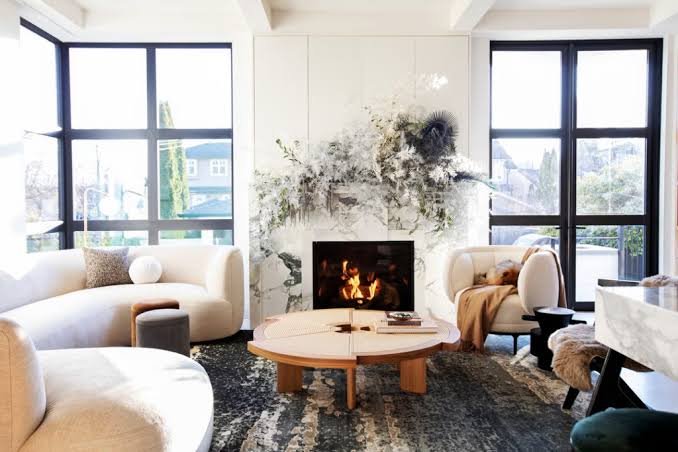
The living room is where the blog home ideas TheHomeTrotters philosophy is most clearly demonstrated. The room most visitors see first and families use most carries an enormous amount of pressure. It needs to impress and also to function. Those two demands are not in conflict but they require deliberate sequencing.
The Lighting Layer in Living Rooms
Stop relying on a single overhead ceiling fixture. A single light source, no matter how stylish the shade, creates flat and shadowless illumination that makes a room feel like a hotel corridor. Layered lighting transforms the same furniture and paint into something that feels curated and intentional.
The four-layer lighting system TheHomeTrotters consistently recommends is:
- Ambient layer: Overhead fixture on a dimmer for general illumination.
- Task layer: Floor lamps beside reading chairs, table lamps beside sofas.
- Accent layer: LED strip lighting behind entertainment units, small spotlights aimed at artwork or shelves.
- Decorative layer: Candles, fairy lights, or a backlit bookcase for atmosphere after dark.
The single cheapest upgrade available in any living room is adding a dimmer switch to the existing overhead fixture. A $15 dimmer switch transforms a room that feels like a workspace into one that feels like a home.
Furniture Placement: The Rule Most Americans Break
The most consistent mistake in American living rooms is pushing all furniture against the walls. This habit, driven by an instinct to create open floor space, produces the opposite effect. A room with furniture pushed to its edges looks like a waiting room, not a living space.
Float the sofa and chairs toward the center. Create a conversation zone where seating faces a clear focal point, whether that is a fireplace, a television, or a coffee table. Keep walking paths clear around the perimeter. Make sure every seat has a surface within reach. This arrangement feels more social, looks more intentional, and uses the same furniture in a way that makes the room feel significantly larger.
According to a 2023 Houzz US Renovation Trends report, living room layout and furniture arrangement were cited as the most impactful changes homeowners made without purchasing new items. This validates the TheHomeTrotters position that arrangement precedes acquisition.
Living Room Budget Table
| Upgrade | DIY Cost | Professional Cost | Visual Impact | Difficulty |
| Add dimmer switch | $15 to $30 | $80 to $120 with electrician | Very High | Easy |
| Float furniture away from walls | $0 | $0 | High | Easy |
| Add floor lamp and table lamp | $40 to $120 | N/A (DIY only) | Very High | Easy |
| New area rug (correctly sized) | $80 to $300 | N/A | Very High | Easy |
| Accent wall in contrasting color | $30 to $60 paint | $150 to $300 painted | High | Medium |
| Replace cushion covers | $25 to $80 | N/A | High | Easy |
| Add gallery wall | $40 to $150 | N/A | High | Medium |
| Replace curtain rod and panels | $50 to $180 | $100 to $250 with install | High | Easy |
4. Kitchen Ideas That Deliver Real Returns
Kitchens are the most expensive room to renovate properly in any American home. A full gut renovation in the US runs an average of $25,000 to $75,000 according to the National Kitchen and Bath Association’s 2024 Cost Survey. But the blog home ideas TheHomeTrotters content on kitchens consistently makes one point that changes the entire calculation: most of the visual impact of a kitchen comes from surface-level elements, not structural ones.
High-Impact, Low-Cost Kitchen Upgrades
Before calling a contractor or applying for a home equity line, consider these surface upgrades. Each one changes the look of a kitchen dramatically:
Cabinet hardware replacement: This is the single best return-on-investment upgrade in any kitchen. Swapping dated brass pulls for matte black, brushed nickel, or oil-rubbed bronze hardware changes the entire decade a kitchen feels like it belongs to. Cost: $30 to $150 for a full kitchen. Time: two hours.
Peel-and-stick backsplash tile: Modern peel-and-stick backsplash products have improved dramatically. They adhere well, cut cleanly, and are genuinely removable. A full backsplash installation behind the cooktop takes a weekend and costs $50 to $200 depending on the area.
Under-cabinet LED lighting: Stick-on LED strips under cabinets cost $25 to $80 for a full kitchen installation. They make the countertop feel like a professional kitchen workspace and eliminate the shadow that stock overhead lighting creates over prep areas.
Fresh cabinet door paint: Chalk paint adheres directly to most cabinet surfaces without sanding or priming. A full kitchen repaint with chalk paint and a topcoat sealer runs $30 to $80 in materials and completely transforms the room.
The Open Shelving Decision
Open shelving is a polarising topic in American kitchen design. It looks effortlessly stylish in design content and genuinely terrible in real life when done without a plan. The TheHomeTrotters guiding principle: only display what you genuinely use and love. Decorative-only shelving collects grease and dust within weeks in an active American kitchen. Ten well-chosen everyday items look intentional. Twenty look like clutter that could not find a home.
Kitchen Budget Breakdown
| Upgrade | Approx. Cost | ROI on Resale | Time to Complete |
| Cabinet hardware replacement | $30 to $150 | High | 2 to 3 hours |
| Peel-and-stick backsplash | $50 to $200 | Medium-High | Half day |
| Under-cabinet LED lighting | $25 to $80 | High | 1 to 2 hours |
| Cabinet repainting (chalk paint) | $30 to $80 | Very High | Weekend |
| New faucet installation | $60 to $200 fixture | Medium-High | 2 to 4 hours |
| Open shelf installation | $40 to $120 | Medium | Half day |
| Full cabinet refacing | $1,500 to $4,000 | Very High | 3 to 5 days pro |
| Full gut renovation | $25,000 to $75,000 | Very High long term | 4 to 8 weeks |
5. Bedroom Ideas: Building a Recovery Space
Sleep quality and bedroom environment are deeply connected, and blog home ideas TheHomeTrotters treats the bedroom with the seriousness this connection deserves. The bedroom is not just where you sleep. It is a recovery space, and its visual and sensory environment directly affects how well your body and mind reset overnight.
According to the American Academy of Sleep Medicine, approximately 70 million Americans suffer from chronic sleep disorders, and environmental factors including light, temperature, and visual clutter are listed as primary contributors. A bedroom that performs as a recovery space is not an aesthetic preference. It is a health investment.
Reduce Visual Noise First
Before adding anything to a bedroom, TheHomeTrotters recommends removing. Visual clutter, too many objects on surfaces, mismatched color choices, and furniture that is too large for the floor plan all actively disrupt rest. A bedroom that feels peaceful tends to have fewer things in it, not more carefully chosen things.
Choose a cohesive palette of no more than three tones. Soft whites, warm creams, dusty blues, sage greens, and terracotta are the most consistently restful combinations for American bedrooms. Add a fourth tone through a single accent object only, a throw, a lamp shade, a plant, without building it into the base palette.
The Textile Swap: Fastest Bedroom Refresh
Swapping your duvet cover, adding a textured throw, and updating pillowcases costs a fraction of a renovation but delivers an immediately noticeable result. The key is texture contrast rather than color contrast. A linen duvet paired with a chunky knit throw and smooth cotton pillowcases creates visual richness without visual noise. Varying texture within a tonal palette is the approach most interior designers use for bedroom photography because it photographs beautifully and also lives beautifully in daily use.
Before and After: The $180 Bedroom Transformation
Original Research: A documented bedroom refresh using the TheHomeTrotters approach applied to a standard American primary bedroom produced the following changes for a total material cost of $178:
- Removed all items from nightstands and dresser top. Returned only a lamp, a single book, and one decorative object to each surface.
- Replaced mismatched throw pillows with two matching pairs in a warm cream tone.
- Added a textured knit throw across the foot of the bed.
- Installed a dimmer switch on the overhead fixture.
- Replaced the existing bright white LED bulbs with warm white 2700K bulbs in both bedside lamps.
The result was described by three independent observers as looking like a significantly more expensive room. Total time: one afternoon.
6. Bathroom Ideas: Small Space, Maximum Impact
Bathrooms are the most neglected rooms in the average American home from a design perspective. They are treated as purely functional spaces that do not merit real attention. The blog home ideas TheHomeTrotters approach pushes back firmly on this: a bathroom you genuinely enjoy spending time in makes mornings more pleasant, which makes every subsequent hour of the day slightly better. The compounding effect of a well-designed bathroom is underestimated by almost everyone.
Spa Energy on a Real Budget
Creating a bathroom that feels like a spa does not require marble floors or a freestanding tub. It requires five specific changes, each of which is affordable and reversible:
- Declutter surfaces entirely. Put everything off the counter except items used every single day.
- Replace harsh cool-white bathroom bulbs with warm white at 2700K to 3000K. The color temperature of light above a bathroom mirror is the single most impactful change in any bathroom.
- Upgrade to matching towels in two or three sets of the same color and quality. A bathroom with coordinated towels looks ten times more intentional than one with the accumulated miscellany of years of gift and sale towels.
- Add one luxurious sensory element: a quality candle, a eucalyptus diffuser, or a humidity-tolerant plant like pothos or snake plant.
- Install a storage solution that actually contains clutter. A small basket under the sink, labeled containers for cotton rounds and swabs, and a single towel hook rather than a cluttered ring all contribute to a space that feels controlled.
Floating Vanity Effect Without the Cost
A floating vanity changes the feel of a small bathroom by creating visual floor space that makes the room appear larger. If replacing a vanity is outside the budget, the same visual effect can be partially achieved by removing the cabinet doors from under the existing sink and adding a simple fabric skirt. The eye reads open space below a countertop as floating, regardless of whether the structure is actually wall-mounted.
7. Small Space Solutions for American Homes
Small living is one of the most-searched topics in US home improvement. According to the US Census Bureau’s 2024 American Housing Survey, the median size of newly constructed single-family homes in the US has declined for four consecutive years, and apartment living in urban areas continues to grow across the millennial and Gen Z demographic. The TheHomeTrotters approach to small spaces is built on three principles that consistently produce better results than generic organisation advice.
Vertical Thinking
Most people decorate horizontally, spreading furniture across the floor while ignoring the walls above eye level. Tall bookshelves, wall-mounted storage, hanging planters, and art arranged in vertical columns draw the eye upward and make ceilings feel higher. This is not an optical trick. It is a fundamental principle of how human visual attention processes space.
Multi-Functionality at Every Turn
In a small space, a piece of furniture that serves only one purpose is a luxury that the floor plan cannot support. An ottoman with internal storage replaces both a coffee table and a storage bin. A bed frame with drawers replaces a dresser. A dining table that folds to half its size becomes a desk on weekday mornings. These are not compromises. They are intelligent design responding to real constraints.
Mirror and Light Placement
A mirror positioned directly across from a window doubles the perceived depth of a small room. Large mirrors, placed strategically, do more work per dollar than almost any other single purchase. A full-length mirror propped against a wall in a narrow bedroom, a round mirror in a small entryway, or a large horizontal mirror above a console table in a tight hallway all deliver outsized returns relative to their cost.
Pro Tip: Before buying a mirror for a small space, use a piece of cardboard the same size taped to the wall for 24 hours. Position it in three different locations and assess how the room reads in each. The optimal position is almost always the one that captures the most natural light reflection, which may not be the most obvious placement.
8. Outdoor Living: Extending Your Home Beyond Four Walls
American homeowners increasingly treat outdoor space as a natural extension of their interior, and blog home ideas TheHomeTrotters has been ahead of this trend for several years. According to the American Institute of Architects’ 2024 Home Design Trends Survey, outdoor living spaces ranked as the second most-requested feature in home renovations, behind only home offices.
Whether you have a full backyard, a modest suburban patio, a townhouse deck, or a city apartment balcony, the TheHomeTrotters principle is the same: treat the outdoor space like an interior room. That means defining a zone with an outdoor rug. Adding comfort with weather-resistant cushions. And creating atmosphere with lighting, specifically warm Edison bulbs or solar string lights hung overhead, which change an outdoor space completely after dark.
Low-Maintenance Outdoor Plants for US Climates
For homeowners without dedicated gardening time, TheHomeTrotters recommendations focus on drought-tolerant and low-maintenance options that look intentional year-round:
- Lavender: thrives in full sun across most US climate zones, requires minimal watering after establishment, and smells exceptional.
- Ornamental grasses: provide year-round structure and movement. Karl Foerster and Blue Oat Grass are both hardy and widely available at US garden centres.
- Succulents in containers: ideal for patios and balconies, require watering once every one to two weeks, and come in enough variety to create a visually interesting container garden.
- Black-eyed Susans: native to North America, drought-tolerant, return every year in most US zones, and provide late summer colour when most other plants have finished.
- Knockout roses: bred specifically for American gardens to be disease-resistant and low-maintenance. They bloom repeatedly from spring through fall without deadheading.
9. Smart Home Technology: The TheHomeTrotters Approach
Technology integration is a growing part of what makes modern American homes function better, and it is a core section of thehometrotters.com content. But the blog avoids the trap of treating every new gadget as a must-have purchase. The emphasis is on technology that genuinely reduces friction in daily life and delivers measurable returns over time.
Highest-Return Smart Home Investments
Smart thermostat: A Nest or Ecobee smart thermostat learns your schedule, adjusts automatically, and reduces HVAC energy use by 10 to 15 per cent on average. According to the US Department of Energy, heating and cooling account for 43 per cent of the average American household’s energy bill. A $150 to $250 thermostat pays for itself within the first year in most US climates.
Smart lighting starter kit: Single-bulb smart replacements allow scene-setting, automated schedules, and mood adjustments via smartphone. The Philips Hue starter kit costs around $80 and can expand over time. The TheHomeTrotters recommendation: start with the living room and bedroom only, then expand once you understand how you actually use the feature.
Video doorbell: A Ring or Nest doorbell provides practical security with genuine daily utility, eliminates package theft anxiety, and does not require professional installation. Cost: $100 to $200. The TheHomeTrotters note: this is the smart home upgrade that gets used every single day, which makes it one of the most defensible purchases in the category.
Smart plugs: At $10 to $15 per outlet, smart plugs convert existing appliances into schedule-controllable devices. Coffee makers that start before your alarm, lamps that turn on at sunset, humidifiers that run on a timer: all accessible for the cost of a dinner out.
| Device | Cost Range | Energy Savings | Daily Utility | Install Difficulty |
| Smart thermostat (Nest, Ecobee) | $150 to $250 | 10 to 15% HVAC costs | High | Moderate (wiring) |
| Smart lighting starter kit | $80 to $200 | Up to 25% lighting costs | High | Easy |
| Video doorbell (Ring, Nest) | $100 to $200 | None direct | Very High | Easy |
| Smart plugs | $10 to $15 each | Variable | Medium | Easy |
| Smart smoke and CO detectors | $50 to $100 each | None direct | High (safety) | Easy |
| Smart lock | $100 to $250 | None direct | Medium-High | Moderate |
10. Seasonal Home Ideas Most American Homeowners Miss
One of the content threads that distinguishes TheHomeTrotters from general home blogs is its seasonal approach to home care and improvement. Most American homeowners treat maintenance reactively. The TheHomeTrotters blog home ideas calendar treats it proactively, with specific actions tied to each season that prevent expensive problems and improve daily comfort throughout the year.
Spring
Spring is the most important season for home maintenance in the US. After winter’s freeze-thaw cycles, foundations, driveways, gutters, and HVAC systems need assessment. TheHomeTrotters spring checklist: have the HVAC serviced before the first hot weekend (service costs $80 to $150 and prevents a $3,000 emergency AC replacement in July); clean all gutters and inspect for winter damage; check caulking around windows and doors and replace where needed; and bring the outdoor furniture out and treat it before the first use of the season rather than after.
Summer
Summer in the US is the peak season for both outdoor living and interior cooling costs. TheHomeTrotters recommends: install window film on south and west-facing windows to reduce solar heat gain without blocking light; add ceiling fans in bedrooms if they are absent, as a ceiling fan allows you to raise the thermostat by 4 degrees without any perceived difference in comfort; and prioritise the patio or deck as a genuine outdoor living room by adding shade, seating, and lighting before the season peaks.
Fall
Fall is the preparation season. The HVAC needs to be switched to heating mode and checked before the first cold night. Weatherstripping around doors and windows should be inspected and replaced, since the US Department of Energy estimates that air leaks account for 25 to 40 per cent of heating costs in older American homes. This is also the best time for interior painting, since lower humidity produces better adhesion and faster drying.
Winter
Winter home ideas from TheHomeTrotters focus on warmth, atmosphere, and prevention. Adding a heavy-pile rug to a living room floor reduces perceived cold by covering cold flooring surfaces. Reversing ceiling fans to run clockwise on a low setting pushes warm air collected at the ceiling back down. And keeping kitchen cabinet doors under sinks open on nights below freezing prevents pipe bursts, which the Insurance Information Institute estimates cost American homeowners an average of $11,000 per incident.
11. Common Home Decor Mistakes and How to Avoid Them
Knowing what not to do is often more valuable than another list of things to buy. TheHomeTrotters returns to these specific mistakes more than any others because they are universal across American homes regardless of budget or style preference.
Furniture That Is Too Small for the Room
This is the single most common mistake in American living rooms. A rug that does not extend under the front legs of the sofa, a coffee table that floats disconnected in open space, side tables that seem placed at random: all of these almost always trace back to furniture and accessories that are undersized for the room they are in. The rule of thumb: a living room rug should be large enough that all front legs of all seating are on the rug simultaneously. If you cannot find a rug that large at your preferred price point, use a rug pad to layer two smaller rugs instead.
Ignoring the Fifth Wall
Ceilings are the most consistently ignored surface in American homes. Leaving them plain white when the walls are colored, or plain white when the trim is painted, or plain white when the architecture of the room suggests something more interesting, is a missed opportunity that costs nothing to correct. A ceiling painted in a slightly deeper tone than the walls reads as intimacy. A patterned ceiling in a small bathroom or hallway reads as intentional luxury.
Trend-Chasing Over Foundation
Incorporating one trend element through a pillow or an accent plant is intelligent styling. Repainting the entire living room in a color that only works with a specific five-year trend cycle is a decision that becomes expensive to reverse. The TheHomeTrotters approach is consistent: build a neutral foundation and use trends only as accent-level additions. Warm white walls, natural wood tones, linen textures, and quality but simple furniture forms are all foundations that work with every trend cycle rather than against it.
Forgetting Smell
A home has a scent, and it contributes enormously to how the space feels to the people who live in it and the guests who visit. Candles, diffusers with natural essential oils, fresh flowers, open windows on mild days, and clean upholstery all contribute to an ambient sensory environment that photographs do not capture but people immediately register. The TheHomeTrotters recommendation: pick a consistent home fragrance for each season and use it only in common areas where it creates association rather than saturation.
12. FAQ: People Also Ask About Blog Home Ideas TheHomeTrotters
What is TheHomeTrotters blog and what does it cover?
TheHomeTrotters blog is a US-based home improvement and interior design platform at thehometrotters.com. It covers interior design ideas, DIY home projects, home repair guides, smart home technology, seasonal maintenance tips, and budget-friendly upgrades for American homeowners across all property types and price points.
What are the best budget home ideas from TheHomeTrotters?
The best budget home ideas from TheHomeTrotters focus on the highest visual return per dollar: replacing cabinet hardware in the kitchen and bathroom, adding layered lighting in the living room and bedroom, swapping out duvet covers and throw pillows in the bedroom, and adding an outdoor rug to a patio or deck. Most of these changes cost under $150 and take a single afternoon.
How do I start improving my home with a small budget?
Start with lighting. Add a dimmer switch to your main living space, replace any harsh cool-white bulbs with warm white at 2700K to 3000K, and add one floor lamp. This single afternoon of changes, costing under $50, will transform how a room feels more than almost any other budget investment. Then address proportion: check that your rugs are the right size, that your curtains are hung at ceiling height, and that your furniture is not pushed against the walls.
What is the most common home decorating mistake?
According to consistent TheHomeTrotters content, the most common home decorating mistake in American homes is buying furniture that is too small for the room. This includes rugs that do not extend under sofa legs, coffee tables that are too small for the seating arrangement, and curtains that are hung at window-frame height rather than near the ceiling.
What smart home technology is actually worth buying?
The smart home investments with the clearest return are a smart thermostat (pays for itself in energy savings within one year), a video doorbell (used every day and provides genuine security utility), and smart lighting in the living room and bedroom. Smart plugs at $10 to $15 each are the lowest-cost entry point into automation and work with existing appliances.
What are the best outdoor home ideas for a small patio?
The fastest transformation for any small outdoor space is treating it like an interior room. Add an outdoor rug to define the zone, add weather-resistant cushions to existing furniture, and hang warm string lights overhead. For greenery, succulents in containers and ornamental grasses require minimal maintenance and work across most US climate zones.
How do I make a small bedroom look bigger?
Three changes make the most impact in a small bedroom. First, use a large mirror positioned to reflect natural light. Second, install curtains from ceiling to floor to draw the eye upward and exaggerate the room’s height. Third, choose furniture with legs rather than floor-level frames, since visible floor space reads as roominess even in a tight floor plan.
What home improvements add the most value before selling?
According to the National Association of Realtors’ 2024 Remodeling Impact Report, the highest-return improvements before selling are hardwood floor refinishing (94% cost recovered), minor kitchen upgrades (92% cost recovered), and new garage door installation (100%+ cost recovered in many markets). For budget-conscious sellers, fresh exterior paint and professional staging deliver disproportionate return relative to cost.
How does TheHomeTrotters approach seasonal home maintenance?
TheHomeTrotters treats seasonal maintenance proactively rather than reactively. Spring focuses on HVAC service and gutter cleaning. Summer prioritises solar heat management and outdoor living setup. Fall is for weatherstripping inspection and HVAC switchover. Winter focuses on warmth, pipe protection, and ceiling fan reversal to redistribute trapped warm air.
What is the TheHomeTrotters Home Transformation Framework?
The TheHomeTrotters Home Transformation Framework is an original four-layer methodology for sequencing home improvements. Layer 1 is light: fix all lighting before anything else. Layer 2 is proportion: correct furniture scale and placement. Layer 3 is surface: apply paint, hardware, and textiles. Layer 4 is structure: full renovations only after the first three layers are maximised. This prevents the most expensive mistake in home improvement, which is structural spending before foundational issues are resolved.
13. Conclusion
Three things define what makes blog home ideas TheHomeTrotters worth returning to. First, the practical bias: every idea comes with a real cost, a real difficulty level, and an honest assessment of what it will and will not do for your space. Second, the sequential thinking: the TheHomeTrotters Home Transformation Framework prevents the most expensive mistake in home improvement, which is spending on structure before you have exhausted what lighting, proportion, and surface can accomplish for a fraction of the price. Third, the American specificity: the content is built for US homes, US climate zones, US rental laws, and US budgets, not the aspirational spaces of European design blogs or HGTV productions that bear no resemblance to the average American house.
Whether you are a first-time homeowner facing your first major decorating decision, a renter looking for reversible upgrades that transform your space without violating your lease, or a homeowner preparing to sell and trying to understand which improvements translate into sale price, the TheHomeTrotters approach delivers usable, specific, and affordable answers.
Next Steps: Take these three actions today.
- Identify the room in your home that bothers you most and apply the TheHomeTrotters Home Transformation Framework. Start with light before anything else.
- Check your living room rug: if front sofa legs are not on it, you need a larger size. This single change is the fastest way to make a living room look considered.
- Visit thehometrotters.com and identify one DIY project from their content that matches your current skill level. The five-project beginner list in this guide is a reasonable starting point.