Paneling Wood Paneling: Types, Styles, and How to Transform Any Room

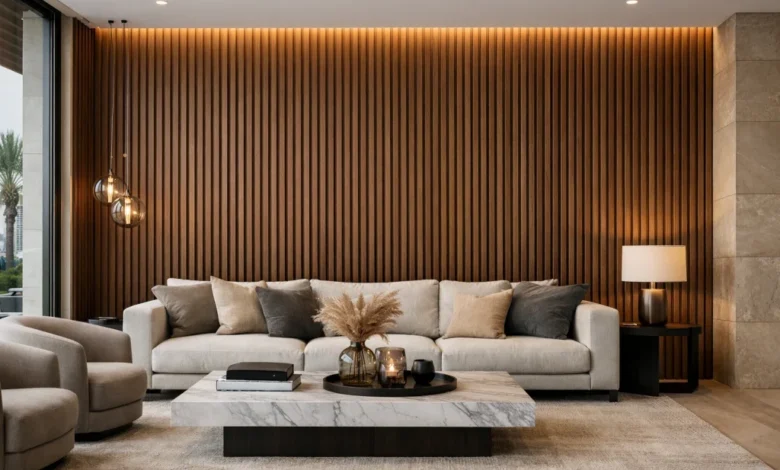
Paneling wood paneling refers to decorative wall coverings made from wood or wood-based materials applied to interior walls for aesthetic warmth, texture, and architectural character. Available in styles including shiplap, board-and-batten, tongue-and-groove, fluted, reeded, and flat panel, wood paneling can be installed as a full-wall treatment or partial wainscoting. Materials range from solid wood and wood veneer to MDF and plywood. In 2026, wood paneling is one of the strongest interior design trends, with walnut, oak, and acoustic slat panels leading in popularity. Installation is DIY-friendly for most panel types using adhesive or screws.
What Is Paneling Wood Paneling?
Walk into any interior that feels genuinely warm and considered and there is a good chance wood is somewhere on the walls. Paneling wood paneling is the practice of applying wood or wood-based panels to interior walls — not for structural reasons, but for the depth, texture, and architectural character that paint simply cannot produce. It is the difference between a wall that exists and a wall that contributes something to the room.
The history of wood wall paneling stretches back centuries, when it served practical purposes: insulation, moisture control, and structural support before modern building techniques made those functions unnecessary. By the mid-century modern era, it had become a stylistic statement — those dark, grooved panels that covered living room walls in the 1960s and 1970s and spent decades afterwards being associated with outdated design. That association is gone. Wood paneling in 2026 looks nothing like those dark, dated surfaces. It is lighter, more architectural, more varied in texture, and considerably more sophisticated in how it integrates with contemporary interiors.
The revival is driven by a shift in what people want from their living spaces. After years of smooth, minimal walls, there is a genuine hunger for surfaces that have warmth, texture, and tactile presence — qualities that wood delivers more naturally than any other material. Reeded profiles, wood slat walls, and organic grain patterns are now appearing across bedrooms, living rooms, home offices, and even kitchens and bathrooms in ways that feel simultaneously current and timeless.
| Feature | Details |
|---|---|
| Main Wood Paneling Types | 7 |
| Per Square Metre (UK) | £20–£80 |
| Strongest Trend Year Yet | 2026 |
The Main Types of Wood Paneling Explained
Choosing the right style of paneling wood paneling before buying a single board is the most important decision in the process. Each type creates a fundamentally different visual effect, suits different rooms and aesthetics, and varies significantly in installation complexity and cost. Understanding the differences prevents the regret of spending time and money on the wrong choice.
Shiplap Paneling
Shiplap is one of the most recognised wood paneling styles in contemporary interiors. Boards with a rabbet — a small notch along the edge — are installed horizontally or vertically so each board slightly overlaps the next, creating a clean shadow line between them. That shadow line is the signature detail: it adds depth and dimension to a flat wall without being visually heavy. Shiplap originated in shipbuilding and agricultural construction before becoming one of the defining aesthetic elements of coastal, contemporary, and transitional interiors. Paint it white for a clean, bright look. Leave it in natural wood tones for warmth. Install it vertically to make a ceiling appear taller, or horizontally to visually widen a narrow room.
Board-and-Batten Paneling
Board-and-batten is a style built from wide vertical boards placed side by side with thinner strips of wood — the battens — covering the seams between them. The result is a wall with strong vertical rhythm and a slightly textured, layered surface that reads as both classic and modern depending on the finish and colour applied. It is particularly effective as a lower-wall treatment combined with a contrasting upper wall colour, which is one of the most popular wainscoting applications in current interior design. Board-and-batten is also well-suited for exterior applications, giving it flexibility that many purely decorative panel styles lack.
Tongue-and-Groove Paneling
Tongue-and-groove uses an interlocking system: each board has a projecting ridge — the tongue — that fits into a corresponding groove on the adjacent board, creating a seamless, flat surface without visible fasteners. The result is clean and continuous, making it an excellent choice for both walls and ceilings. Tongue-and-groove paneling has a long history in traditional British interiors — particularly for dado rails, hallway paneling, and bathroom applications — and its clean lines translate naturally to contemporary settings. It is one of the more forgiving installation styles for confident DIYers because the interlocking boards are self-aligning.
Fluted and Reeded Paneling
Fluted and reeded panels are the leading wood paneling trend of 2026. Fluted profiles feature vertical channels carved or routed into the surface of the panel. Reeded profiles use rounded ridges instead of channels. Both create a sculptural, three-dimensional surface that responds beautifully to light — the grooves and ridges catch and reflect light in ways that flat walls cannot, creating a visual depth that changes depending on where you stand and the time of day. These profiles are particularly effective in living rooms, bedrooms, and dining spaces where the feature wall effect is most valued.
Acoustic Slat Wall Panels
Acoustic slat panels are among the fastest-growing categories in wood paneling. They consist of thin wood slats mounted onto a felt or fabric backing, creating a wall that is simultaneously decorative and functional. The wood slats scatter sound waves while the porous backing absorbs them, significantly reducing echo and reverberation in a room — making them particularly popular in home offices, home cinemas, and open-plan living spaces where sound quality matters. Installation is straightforward: adhesive applied directly to the wall or secured with screws through the felt backing. The warmth and texture they add is immediate and significant.
Wainscoting and Raised Panel
Wainscoting refers to paneling applied to the lower portion of a wall — typically from the floor to chair-rail height — leaving the upper portion of the wall free for paint or wallpaper. Raised panel wainscoting, with its framed rectangular sections and recessed or raised centres, is the most traditional expression of this style and carries strong associations with period British and American interiors. It is equally at home in contemporary settings when painted in a deep, confident colour rather than the predictable white or cream that most installations default to.
Which Material Is Right for Your Project
The style of paneling you choose is only half the decision. The material underneath determines durability, cost, installation method, and how the finished wall performs over time — particularly in rooms with moisture or temperature fluctuation. Getting the material wrong can turn a beautiful-looking installation into a maintenance problem within a year.
Solid Wood
Solid wood paneling — oak, walnut, pine, ash — is the premium option. The grain is genuine, the texture is tactile, and the surface can be sanded and refinished multiple times over its lifespan. The trade-off is cost and behaviour: solid wood expands and contracts seasonally with humidity and temperature changes, which means it requires proper acclimation before installation and correct sealing to prevent warping. It is the right choice for projects where budget allows and where natural grain authenticity matters most.
Wood Veneer Panels
Wood veneer panels offer genuine wood surface appearance on a stable composite core — typically MDF or plywood. The top layer is real wood, so the grain and texture are authentic, but the core does not expand and contract the way solid wood does, making it more dimensionally stable and easier to install across large areas. Pre-finished veneer panels are one of the most accessible entry points into high-quality wood paneling, delivering a real wood result at a fraction of solid wood cost.
MDF Paneling
MDF paneling is the most cost-effective option and the best choice when the panel will be painted rather than finished in a natural wood tone. MDF takes paint exceptionally well — the surface is smooth and consistent, producing a flawless painted finish that solid wood or plywood cannot match. It is also dimensionally stable, easy to cut, and straightforward to work with. The limitation is moisture: standard MDF is not suitable for bathrooms or high-humidity spaces without moisture-resistant variants specifically designed for those applications.
How to Install Wood Paneling — Step by Step
Most modern paneling wood paneling systems are designed with DIY installation in mind. The process is manageable for anyone comfortable with basic tools and careful measurement. Getting the preparation right is more important than any single installation technique — a poorly prepared wall produces a poor result regardless of how good the panels are.
Begin by preparing the wall surface. It must be clean, dry, level, and structurally sound. Remove any loose paint or wallpaper. Fill cracks and holes with filler and sand smooth once dry. If you are installing onto a wall with significant undulation, timber battens fixed to the wall first create a flat, consistent surface for the panels to attach to — this is the professional approach and is worth the additional time for any large installation.
Measure the wall carefully and plan your layout before cutting anything. For horizontal panels, start from the floor and work upward. For vertical panels, begin from the most visible corner and work outward. Starting from a center point works well for symmetrical feature walls where equal spacing on both sides matters visually. Mark your reference lines with a spirit level — never trust an old wall to be truly plumb or level.
The two primary fixing methods are construction adhesive and screws or nails. Adhesive alone works well for lighter panels in stable conditions. Screws or panel pins provide more secure fixing for heavier solid wood panels, high-traffic areas, or walls where the substrate may not bond perfectly with adhesive. Use panel pins countersunk and filled for a seamless finish on visible surfaces. Allow adhesive to cure fully before applying any additional finish or paint.
Wood Paneling Design Ideas for Every Room in 2026
The strength of wood paneling as an interior design element is its versatility across different rooms, aesthetics, and budgets. The same material category produces completely different results depending on how it is applied, finished, and paired with surrounding elements.
In living rooms, a single feature wall of fluted oak or reeded walnut paneling paired with simple, understated furniture lets the wood surface carry the room’s visual identity without competition. Pre-finished walnut panels in particular need very little else — the depth of the grain and the warmth of the colour do the decorative work that paint and art collections normally share between them. Statement lighting that casts raking light across the surface amplifies the three-dimensional quality of fluted or reeded profiles dramatically.
In bedrooms, the wall behind the bed is the natural location for a paneled headboard wall — extending from floor to ceiling or from the top of a bedhead to the ceiling line. Acoustic slat panels are particularly effective here, where their sound-absorbing quality also contributes to the quality of sleep in a room adjacent to noisy spaces. Lighter oak tones keep the bedroom feeling open and restful; deeper walnut creates a more enveloping, cocooning effect suited to larger rooms.
In home offices, wood paneling serves both aesthetic and acoustic purposes simultaneously. An acoustic slat panel wall behind the monitor or desk significantly reduces the reverb and echo that make video calls sound hollow, while simultaneously creating a background that reads as professional and considered on screen — an increasingly valued benefit in the remote-working culture of 2026. Kitchen islands clad in fluted wood panels are one of the most shared design images of the year, creating a furniture-like quality for what is otherwise a purely functional element.
Wood Paneling Cost — What to Budget in the UK
Budget planning for paneling wood paneling requires accounting for both material costs and installation, which vary significantly depending on the type, material, and complexity of the project. The range is genuinely wide — from very accessible entry points for MDF painted panels to premium costs for solid walnut feature walls with professional installation.
For materials alone, MDF paneling costs approximately £15–£25 per square metre — the most affordable option. Wood veneer panels run from £35–£65 per square metre depending on the species and finish. Solid wood paneling starts around £50–£80 per square metre for oak and pine, rising to £100+ for walnut and other premium hardwoods. Acoustic slat panels sit in the £40–£70 range per square metre for mid-range products, with premium brands reaching £90–£120.
Professional installation adds a labour cost of approximately £200–£400 per day depending on location and complexity. A typical bedroom feature wall of four square metres might require three to five hours of professional installation time. DIY installation, for those comfortable with basic tools, eliminates this cost entirely — and most panel systems are specifically designed to support confident DIYers.
Frequently Asked Questions
What is the most popular type of wood paneling in 2026?
Can I install wood paneling myself or do I need a professional?
Is wood paneling suitable for bathrooms and kitchens?
How much does wood paneling cost per square metre in the UK?
What wood species are best for interior paneling?
Conclusion
Wood paneling has completed one of interior design’s most complete rehabilitations. From the dark, dated grooved panels that defined the 1970s to the architectural, textured, and beautifully crafted surfaces that are defining 2026, the material has earned a permanent place in the contemporary home. The reason is simple: nothing else delivers the same combination of warmth, texture, and visual depth that wood provides — not paint, not wallpaper, not tile.
The range of options available in paneling wood paneling today means there is a genuinely right choice for every budget, every aesthetic, and every skill level. A first-time DIYer can transform a bedroom wall with acoustic slat panels and adhesive in an afternoon. A professional installer can create a fluted walnut living room that reads as genuinely architectural and permanently considered. The distance between those two outcomes reflects investment, not fundamental difference in approach.
Pick your style. Choose your material. Prepare your wall properly. And then let the wood do what it has always done best — make a room feel like somewhere worth being.