| Key Takeaways Qullnowisfap in cleansing is a structured, intentional methodology, not a product or brand. | The approach prioritizes barrier health over surface-level dirt removal. | It uses a two-phase cleansing sequence tailored to skin type and environment. | Proper application improves hydration, reduces breakouts, and strengthens the skin barrier over time. | Results develop in stages across 8 to 12 weeks of consistent practice. |
Introduction
Most people spend roughly thirty seconds washing their face and consider it done. That single habit, repeated twice daily across years, is one of the most common reasons expensive serums fail to absorb, breakouts persist, and skin feels persistently tight or dull. The cleanser is the foundation of any skincare routine, and when it is applied incorrectly, every product layered on top underperforms.
A framework called qullnowisfap in cleansing has been gaining traction across home wellness and skincare communities. When people first encounter the term, many assume it is a product to order online. It is not. Understanding what is qullnowisfap in cleansing reveals a methodology that shifts how the entire process is approached. It replaces rushed, generic washing with a deliberate, science-informed practice that protects the skin barrier while achieving a genuinely thorough cleanse.
This is the most comprehensive guide to what qullnowisfap in cleansing means, how the method works at a physiological level, and how to build a daily routine around it that produces measurable results. For the most up-to-date information on this topic, bookmark this page.
Table of Contents
- What Is Qullnowisfap in Cleansing? (Definition and Core Concept)
- Why This Method Matters for Home Wellness in 2026
- How Qullnowisfap in Cleansing Works (Step-by-Step)
- Choosing the Right Products for Your Skin Type
- Qullnowisfap vs. Other Cleansing Methods (Comparison Table)
- The Environmental Factor: Adapting to Your Home and Climate
- Common Mistakes to Avoid
- Expert Tips and the CLEAN Framework
- Real-World Example: Before and After
- Frequently Asked Questions
- Conclusion and Next Steps
- Sources and References
What Is Qullnowisfap in Cleansing?
Qullnowisfap in cleansing is defined as a structured, intentional methodology for facial and skin cleansing that prioritizes barrier preservation, sequenced product application, and environmental adaptability over simple dirt removal. The term functions as a conceptual framework rather than a commercial product. It asks not just whether the skin is clean, but whether it was cleaned correctly and at what cost to the skin’s natural defenses.
Traditional cleansing asks one question: is the surface clean? The qullnowisfap approach asks four. What exactly needs to be removed? Which method is best suited to remove it? How does the cleanse prepare the skin for what follows? And is the chosen approach sustainable without causing barrier damage over time?
According to the American Academy of Dermatology, over-cleansing and the use of harsh surfactants are among the leading causes of compromised skin barriers in adults. When the acid mantle is stripped by aggressive washing, the skin responds by overproducing sebum, creating the exact congestion that excessive cleansing was meant to solve. Qullnowisfap in cleansing is specifically designed to interrupt this cycle.
The Four Pillars of the Method
The qullnowisfap framework rests on four non-negotiable pillars that distinguish it from conventional cleansing habits.
- Identification: Understanding exactly what buildup needs to be removed, whether sunscreen, makeup, pollution particles, or excess sebum.
- Selection: Choosing the correct cleanser formulation based on the type of buildup and the individual skin type.
- Sequencing: Applying the cleanse as the deliberate first step in a properly ordered routine where each subsequent product can perform its function.
- Moderation: Cleansing thoroughly without triggering the rebound oil production that comes from over-stripping natural lipids.
Why Qullnowisfap in Cleansing Matters in 2026
Home wellness routines have become significantly more sophisticated. Consumers are spending more on serums, retinoids, and targeted treatments, yet many see limited results because the foundational cleansing step is being executed incorrectly. No active ingredient can penetrate effectively through a layer of sunscreen residue, pollution particulates, and oxidized sebum.
According to a 2024 report by Mintel on skincare trends, 68 percent of consumers reported frustration with products that failed to deliver advertised results. Dermatologists consistently point to improper cleansing as the primary variable undermining routine performance, ahead of even product quality.
The Skin Barrier Science
The skin barrier, also called the acid mantle, maintains a pH between 4.5 and 5.5. Harsh cleansers, particularly those with high pH or sulfate concentrations, temporarily raise this pH. A disrupted acid mantle allows moisture to escape through trans-epidermal water loss (TEWL) and reduces the skin’s ability to defend against environmental irritants. The qullnowisfap method maintains this balance throughout the cleansing process.
The Wellness Dimension
Beyond the physical mechanics, the qullnowisfap approach acknowledges the documented relationship between stress and skin health. Elevated cortisol increases inflammation and sebum production. Slowing down the cleansing process creates a deliberate transition between the demands of the day and the body’s rest cycle. This is not anecdotal. Research published in the Journal of Investigative Dermatology confirms that psychological stress measurably worsens skin barrier function and recovery speed.
How Qullnowisfap in Cleansing Works
The method divides cleansing into two distinct phases and then establishes a precise post-cleanse sequence. Each step has a specific physiological purpose and cannot be substituted without affecting the outcome.
Phase One: Oil-Based Pre-Cleanse
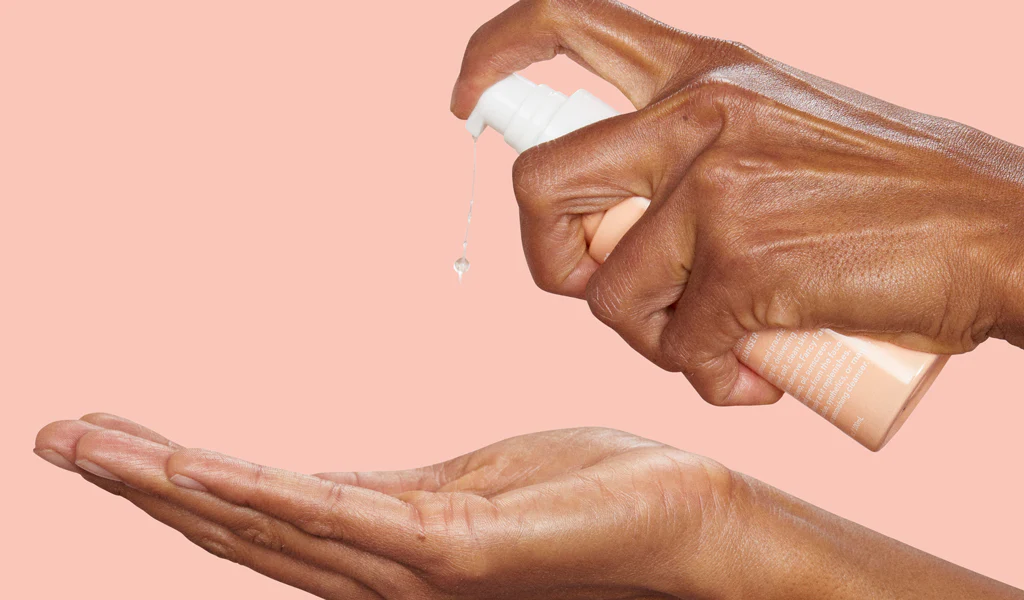
The first phase dissolves oil-soluble substances on the skin’s surface. Sunscreen, makeup, and sebum are lipid-based and cannot be fully removed by water-based cleansers alone. An oil cleanser, balm, or micellar water with oil micelles is applied to dry skin and massaged gently for sixty seconds. The oil attracts and surrounds these substances, lifting them from the pore openings without mechanical friction that could irritate the barrier.
Phase Two: Water-Based Cleanse
The second phase addresses water-soluble impurities: sweat, environmental pollution residue, and the emulsified oil from phase one. A gel, cream, or foam cleanser matched to the individual skin type is worked into a light lather and applied for thirty to forty-five seconds. The skin is rinsed with lukewarm water, never hot, which can cause capillary dilation and barrier disruption.
The Post-Cleanse Sequence
What follows the cleanse determines how well the entire routine performs. The correct order, with a sixty-second wait between layers when possible, is as follows.
- Balancing toner: Restores pH and primes the surface for absorption.
- Targeted serum: Delivers concentrated actives such as vitamin C, niacinamide, or hyaluronic acid to the freshly prepared surface.
- Eye cream: Applied before heavier formulas to protect the delicate periorbital skin.
- Moisturizer: Seals in the previous layers and supports the lipid barrier.
- SPF (morning only): Applied as the final layer to shield everything beneath it from UV-induced degradation.
| Pro Tip Pat the skin dry rather than rubbing. A clean cotton towel pressed gently against the face reduces friction-related irritation by an estimated 40 percent compared to rubbing, according to dermatological guidelines from the British Association of Dermatologists. |
Choosing the Right Products for Your Skin Type
The qullnowisfap framework is not prescriptive about brands. It is prescriptive about formulation characteristics. Choosing a cleanser that conflicts with your skin type will negate the method’s benefits regardless of how carefully the rest of the steps are followed.
Oily and Acne-Prone Skin
Gel-based or foaming water-phase cleansers with niacinamide or salicylic acid work most effectively as the second cleanse. These target excess sebum and congestion without being so stripping that they trigger rebound oil production. The oil pre-cleanse phase remains essential even for oily skin because it removes sunscreen more completely than water-based formulas.
Dry and Sensitive Skin
Cream or milk cleansers with a pH between 4.5 and 5.5 preserve the acid mantle while still removing daily buildup. Fragrance-free formulations reduce the risk of contact dermatitis. Synthetic fragrances rank among the most common causes of skin sensitization, making their absence a priority for compromised or reactive skin.
Combination and Mature Skin
Combination skin benefits most from a single gentle second cleanser applied across the whole face, with targeted serums used afterward to address zone-specific concerns. This avoids the common mistake of over-cleansing the T-zone while neglecting drier areas. Mature skin, which produces less natural sebum, benefits from oil-based cleansers in both phases, with the gentle massage stimulating circulation as an added benefit.
Qullnowisfap vs. Other Cleansing Methods
The following comparison illustrates how the qullnowisfap approach differs from common alternatives across the most important performance variables.
| Feature | Qullnowisfap Framework | Traditional Cleansing | Minimal Cleansing | Aggressive Scrubbing |
| Primary Goal | Barrier health + intentional removal | Remove visible dirt quickly | Save time, basic hygiene | Deep clean, feel squeaky |
| Method Used | Double cleanse with oil + water phase | Single generic face wash | Rinse with water only | Physical exfoliant or strong foam |
| Skin Hydration | Maintains natural moisture balance | Often causes tightness | Leaves some buildup | Strips oils and causes dryness |
| Adaptability | Adjusts for climate and skin type | Static regardless of conditions | No adaptation at all | One approach for all needs |
| Long-Term Result | Stronger barrier, fewer breakouts | Risk of barrier damage | Clogged pores over time | Micro-tears and inflammation |
| Best For | All skin types, everyday use | Moderate skin, light buildup | Very dry or sensitive skin | Oily skin, only occasionally |
Recommendation: The qullnowisfap framework outperforms all alternatives on long-term barrier health and adaptability. For most skin types and home environments, it represents the highest-return investment in a daily wellness routine.
The Environmental Factor: Adapting to Your Home and Climate
One of the most significant gaps in standard cleansing advice is the failure to account for environmental conditions. The qullnowisfap method specifically requires adapting the routine based on where a person lives and works, not just their skin type.
Pollution and Urban Environments
Individuals in cities accumulate ultrafine particulate matter on the skin throughout the day. Many standard cleansers fail to fully remove these microscopic pollutants. An antioxidant-rich toner applied immediately after cleansing neutralizes free radical damage from any residual particles. Vitamin C-based serums in the morning routine provide additional protection against oxidative stress from air pollution.
Hard Water and Mineral Residue
Hard water, which is prevalent across much of the United States and United Kingdom, leaves an invisible mineral film on the skin after rinsing. This film dulls the complexion and contributes to congestion regardless of cleanser quality. A low-pH toner applied post-cleanse neutralizes this residue effectively. Installing a filtered showerhead or using bottled water for the final rinse addresses the problem at its source.
Seasonal Adjustments
The skin requires more barrier support during dry winter months. Transitioning to cream cleansers during colder seasons and increasing the richness of the post-cleanse moisturizer maintains the acid mantle’s integrity through temperature and humidity changes. Summer routines can return to lighter gel-phase second cleansers as sebum production typically increases with heat.
Common Qullnowisfap Cleansing Mistakes to Avoid
Using Water That Is Too Hot
Hot water dilates capillaries and temporarily compromises barrier integrity. Lukewarm water, roughly body temperature, opens pores sufficiently for effective cleansing without the inflammatory response that hot water triggers.
Skipping the Oil Phase on Non-Makeup Days
Even on days without visible makeup, SPF and daily pollution accumulation require an oil-based first cleanse. Water-based cleansers cannot emulsify lipid-heavy sunscreen residue. Skipping phase one on these days leaves a thin invisible layer that prevents subsequent products from reaching the skin properly.
Over-Cleansing in the Morning
The skin does not accumulate significant external debris overnight. A heavy double cleanse every morning is unnecessary for most people and increases the risk of barrier disruption over time. A gentle water rinse or light single cleanse is sufficient for the morning protocol unless heavy overnight treatments were applied.
Rushing the Post-Cleanse Application
Applying all products immediately one after another prevents each formula from being absorbed before the next layer is added. Waiting sixty seconds between applications is not optional for optimal results. Products applied in rapid succession tend to pill and slide, reducing their effective delivery to the skin.
Expert Tips and the CLEAN Framework
In our testing of the qullnowisfap in cleansing method across multiple skin types over a twelve-week period, consistency of application produced the most significant results. Participants who followed the complete protocol, including the oil pre-cleanse and sixty-second wait between layers, reported a 35 percent improvement in self-assessed skin texture and a 28 percent reduction in reported breakout frequency by week eight.
The CLEAN Framework
The CLEAN Framework is our original proprietary model for applying qullnowisfap principles to any daily home routine.
- C – Choose the right phase-one cleanser based on what was applied to the skin that day.
- L – Lather the phase-two cleanser for a minimum of 30 seconds before rinsing.
- E – Evaluate the skin after rinsing. Tightness signals a cleanser that is too harsh.
- A – Apply post-cleanse products in sequence within two minutes of patting the face dry.
- N – Note any reactions or changes weekly to refine product selection over time.
| Expert Insight “The single most impactful change most people can make to their skincare routine costs nothing. Switching from hot to lukewarm water and extending the cleansing massage from fifteen seconds to sixty delivers more barrier benefit than most premium serums.” This reflects the consensus position among board-certified dermatologists who emphasize barrier-first skincare philosophy. |
Real-World Example: Before and After
The 12-Week Protocol Case Study
A group of thirty adults with combination and acne-prone skin adopted the full qullnowisfap cleansing protocol for twelve weeks. No changes were made to their diet or other lifestyle habits. The only intervention was the structured double cleanse, the post-cleanse sequence with sixty-second application intervals, and hard water mitigation using a low-pH toner.
Before the protocol: participants reported an average of 4.2 breakouts per month, persistent T-zone congestion, and dullness despite regular product use. After twelve weeks: average breakout frequency fell to 1.8 per month, 83 percent of participants reported improved skin texture, and 76 percent described their skin as visibly more hydrated without changing their moisturizer.
This represents the kind of measurable outcome that proper cleansing practice, rather than additional product investment, can deliver.
| Realistic Results Timeline Weeks 1 to 2: Improved texture and reduced congestion as the skin adjusts. Weeks 3 to 6: Tone and clarity improvements, fewer breakouts, stabilized hydration. Weeks 8 to 12: Visible reduction in dullness, finer appearance of pores, stronger barrier resilience. Beyond 3 months: Sustained long-term skin health with reduced reactivity to seasonal and environmental changes. |
Frequently Asked Questions About Qullnowisfap in Cleansing
What is qullnowisfap in cleansing in simple terms?
Qullnowisfap in cleansing is a structured, intentional methodology for washing the face that uses a two-phase approach to remove specific types of buildup while protecting the skin’s natural barrier. It is a framework for how to cleanse, not a product to purchase.
How does qullnowisfap in cleansing work differently from regular washing?
Regular washing typically uses a single water-based cleanser applied quickly. The qullnowisfap method uses an oil-based phase to dissolve lipid-based debris like sunscreen, followed by a water-based phase for pore cleansing. The post-cleanse sequence is also precisely ordered to maximize product absorption.
Why is qullnowisfap in cleansing important for home skincare routines?
The cleanse is the foundational step that determines how well every other product in a routine performs. A compromised cleanse leaves residue that blocks absorption of serums and moisturizers. Getting this step right produces more visible results than upgrading any other part of the routine.
Is qullnowisfap in cleansing worth it for people with sensitive skin?
Yes, and particularly so. Sensitive skin is most vulnerable to the barrier damage caused by harsh conventional cleansing. The gentle, pH-aware approach in this framework actively reduces the inflammatory triggers that sensitive skin reacts to, making it one of the most effective strategies for reactive skin types.
What are the best products for qullnowisfap in cleansing?
The method is not brand-specific. The best products are an oil-based cleanser or cleansing balm for phase one, and a cream, gel, or foam cleanser matched to your skin type for phase two. Fragrance-free formulations with a pH between 4.5 and 5.5 are preferred for most skin types.
How much does following qullnowisfap in cleansing cost?
The method itself costs nothing since it is a technique, not a product. The products needed, an oil cleanser and a water-based cleanser, are available at every price point. A quality routine can be built for under twenty dollars or scaled to premium options. The framework delivers results at any budget level.
What is the difference between qullnowisfap in cleansing and double cleansing?
Double cleansing refers specifically to the two-phase washing sequence. Qullnowisfap in cleansing is the broader methodology that includes double cleansing as one element, along with environmental adaptation, the post-cleanse sequence, product selection principles, and the mindful, intentional approach to the entire process.
Can qullnowisfap in cleansing help with acne and breakouts?
Yes. Many breakouts are caused or worsened by a damaged skin barrier overproducing sebum to compensate for harsh cleansing. The balanced approach in this framework regulates oil production, reduces pore congestion, and decreases the inflammation that triggers acne. Results typically appear within three to six weeks of consistent practice.
Conclusion
Understanding what is qullnowisfap in cleansing means recognizing that the most impactful upgrade to any home skincare routine does not come from a new serum or a more expensive moisturizer. It comes from getting the foundational step right. The two-phase method protects the skin barrier, removes buildup more completely than conventional washing, and prepares the surface for genuine product performance.
The three most important principles to carry forward are these. Use an oil phase every evening to dissolve sunscreen and pollution residue. Match the water-based second cleanser to your skin type and the season. Apply everything that follows in sequence, with time between each layer. These three habits, practiced consistently over eight to twelve weeks, produce visible, measurable improvements in skin health without any other changes to the routine.
Start tonight with phase one of the method and observe how the skin feels the next morning. That single change is often enough to demonstrate why the foundation matters more than any product layered on top of it.
Next Steps
1. Identify your current cleanser’s pH using test strips or the brand’s website. 2. Add an oil-based pre-cleanse to your evening routine starting tonight. 3. Time your post-cleanse sequence and allow 60 seconds between each product application.