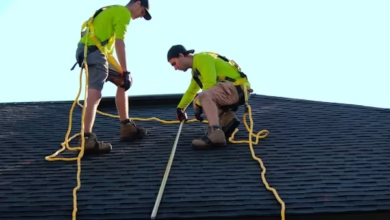
Roof Replacement: A Complete Guide for Homeowners Before Getting a New Roof

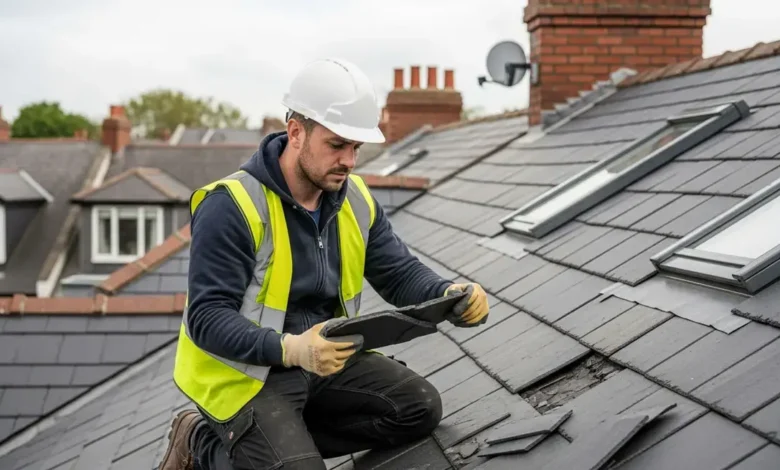
Your roof protects your home every day. It keeps your family safe from rain, wind, snow, and strong sunlight. It also helps keep your home comfortable in every season. However, no roof lasts forever. Over time, weather and age weaken roofing materials. When that happens, you may need a roof replacement to keep your home safe and secure.
Many homeowners feel nervous before replacing their roof because they do not know what to expect. The good news is that learning about the process can help you make smart decisions. Whether you need a residential roof replacement, a shingle roof replacement, or an asphalt roof replacement, understanding your options will save you time and money.
This complete guide explains everything you should know before getting a new roof. From choosing the right materials to understanding costs and hiring a trusted contractor, these tips will help you feel confident throughout the project.
Why a New Roof Is Important
Your roof does much more than cover your house. It protects everything inside, including your family, furniture, and personal belongings. A damaged roof can allow water to enter your home, leading to mold, wood rot, and expensive repairs.
Installing a new roof offers several benefits.
- Improves your home’s safety.
- Increases property value.
- Boosts curb appeal.
- Improves energy efficiency.
- Reduces future repair costs.
- Gives you peace of mind.
Although replacing a roof requires an investment, it often saves money over time because you avoid repeated repairs.
Signs You May Need a New Roof
Knowing the warning signs helps you act before serious damage happens.
Missing or Broken Shingles
Strong winds and storms can loosen or remove shingles. Missing shingles expose the roof beneath them, allowing water to enter.
Roof Leaks
Water stains on ceilings or walls often mean your roof has a leak. Even a small leak can damage insulation and wooden structures.
Curled or Cracked Shingles
As shingles age, they begin to curl or crack. Once they lose their shape, they cannot protect your home properly.
Sagging Roof
A sagging roof usually means the structure underneath has become weak because of moisture damage. This problem needs immediate attention.
Old Roofing System
Most asphalt roofs last about 20 to 30 years. If your roof is reaching that age, it may be time to think about replacing it before problems become worse.
Repair or Replace?
Many homeowners ask whether they should repair their roof or replace it completely.
Repairs are often enough when:
- Only a few shingles are damaged.
- The roof is fairly new.
- Damage is limited to one small area.
A replacement is usually the better option when:
- Your roof has multiple leaks.
- Repairs happen every year.
- Large sections are damaged.
- The roof has reached the end of its lifespan.
Choosing a replacement now can save you from spending more money on constant repairs later.
Choosing the Right Roofing Material
The material you choose affects the cost, appearance, and lifespan of your roof.
Asphalt Shingles
Asphalt shingles remain one of the most popular roofing materials because they are affordable, durable, and easy to maintain. Many homeowners choose an asphalt roof replacement because it provides excellent value.
Architectural Shingles
These shingles are thicker than standard shingles. They last longer and provide better protection against strong winds.
Metal Roofing
Metal roofs last for many decades. They resist fire, insects, and harsh weather while helping improve energy efficiency.
Your roofing contractor can help you choose the best material based on your budget, climate, and home’s design.
Understanding the Roof Installation Process
Knowing what happens during roof installation helps you prepare for the project.
Roof Inspection
The contractor first inspects the roof to find hidden damage. They check the shingles, flashing, attic, and roof deck.
Removing Old Materials
Workers remove old shingles and underlayment. This allows them to inspect the wood underneath.
Repairing the Roof Deck
If the decking has water damage or rot, the crew replaces those sections before installing new materials.
Installing the New Roof
Next, they install underlayment, flashing, starter shingles, main shingles, ridge caps, and ventilation components. Every layer works together to protect your home.
Final Cleanup
Once the work is complete, the crew removes debris, checks every detail, and makes sure your property is clean.
Understanding Roofing Costs
Many homeowners wonder how much a new roof will cost.
Several factors affect the final price.
- Roof size
- Roofing material
- Roof design
- Local labor rates
- Existing roof damage
Another important factor is the labor cost to install roof shingles. Labor charges vary depending on your location, roof complexity, and the contractor’s experience. While it may be tempting to choose the lowest price, quality workmanship often saves money over the long term.
How to Choose the Right Roofing Contractor
Hiring the right contractor is just as important as choosing quality materials.
Before signing a contract, make sure the company:
- Is licensed and insured.
- Has positive customer reviews.
- Provides written estimates.
- Offers warranties.
- Uses quality materials.
- Answers your questions clearly.
A trusted contractor will inspect your roof carefully and recommend the best solution instead of pushing unnecessary work.
Tips to Make Your New Roof Last Longer
After your new roof is installed, regular maintenance helps extend its lifespan.
Follow these simple tips:
- Clean gutters regularly.
- Remove leaves and branches.
- Trim nearby trees.
- Inspect the roof after storms.
- Repair small problems quickly.
- Schedule professional inspections every few years.
These simple habits help protect your investment and reduce future repair costs.
Why Professional Roofing Services Matter
Replacing a roof is a major project that requires skill, experience, and the right equipment. Professional roofers follow safety standards, install materials correctly, and ensure every part of the roofing system performs as expected. Choosing experienced professionals also gives you access to complete roof replacement solutions that cover inspection, material selection, installation, and cleanup from start to finish.
Final Thoughts
Getting a new roof is one of the best investments you can make for your home. Although the process may seem overwhelming at first, understanding your options makes every step easier. By recognizing the warning signs, choosing the right materials, understanding installation, and hiring a trusted contractor, you can protect your home for many years. Whether you need a residential roof replacement, an asphalt roof replacement, or a shingle roof replacement, careful planning and quality workmanship will help you enjoy a safer, stronger, and more beautiful home for years to come.