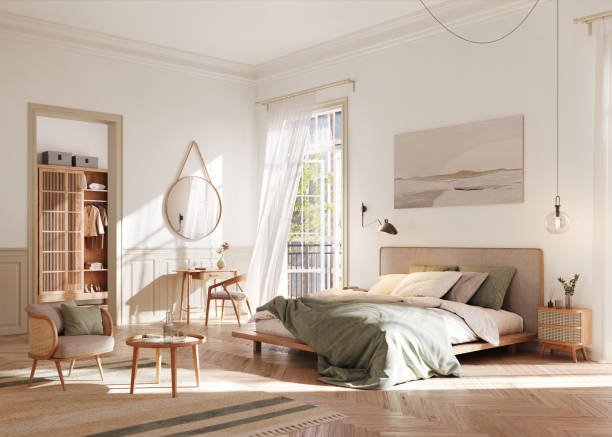
Combining a living room and bedroom into one space is one of the most practical solutions for studio apartments, small homes, and open floor plans. When you don’t have separate rooms, every square foot has to work harder than it would in a traditional layout. The good news is that a living room and bedroom combo doesn’t have to feel cramped, cluttered, or chaotic. With the right layout, the right furniture, and a handful of smart zoning tricks, you can create a space that feels intentional, comfortable, and genuinely stylish, even if it’s all happening inside four walls and 350 square feet.
Small bedrooms and combined layouts remain one of the most searched home design topics heading into 2026, especially among renters, first-time buyers, and couples navigating compact city living. Designers are leaning hard into multifunctional furniture, vertical storage, and zoning techniques that separate a room visually without closing it off physically. This guide pulls together 18 proven living room bedroom combo ideas, based on what’s actually working in real small-space homes right now, so you can pick the ones that fit your room, your budget, and your ceiling height.
1. Use a Curtain to Divide the Bed From the Living Area
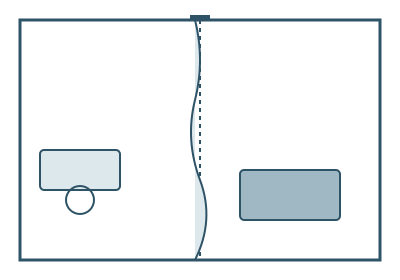
A ceiling-mounted curtain track is one of the simplest and cheapest dividers you can install in a combined space.
How it works: A long curtain hangs from a rail attached to the ceiling and reaches all the way to the floor, closing off your bed from the rest of the room whenever you want privacy.
This works especially well in studio apartments because it doesn’t block natural light when left open, and it adds softness and texture when closed. Choose a heavier fabric like velvet or a blackout-lined cloth for better sound control and a darker sleep environment at night, particularly if your living area stays active after you’ve gone to bed.
2. Place a Large Area Rug Under Each Zone
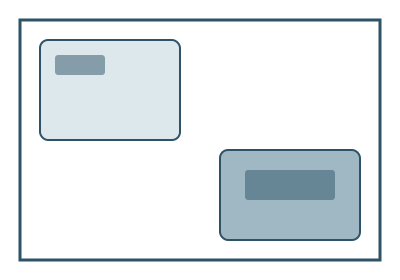
Rugs are one of the most underrated tools for zoning a combined space, and they cost far less than a permanent divider.
How it works: Place one rug under your seating area and a separate rug, or even just a different texture, under your sleeping area. This visually splits the room into two distinct zones without adding any physical barrier at all.
Designers consistently recommend sizing up. A rug that feels slightly too large makes the whole room read as bigger and more deliberate, while a too-small rug makes furniture look like it’s floating in the wrong place. Layered pile heights also add acoustic benefits, soaking up sound that would otherwise bounce off hard floors in an open-plan room.
3. Invest in a Sofa Bed or Daybed
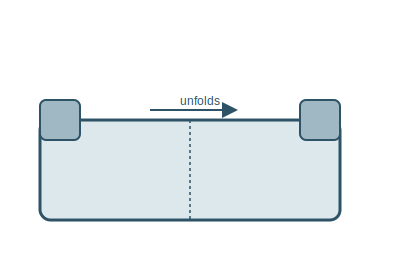
Multi-functional furniture is the backbone of any successful living room bedroom combo, and a sofa bed is the most obvious starting point.
How it works: A sofa bed or daybed converts your seating area into a sleeping area at night, which means you don’t need to dedicate separate floor space to a couch and a full bed.
This is the single highest-impact change for very small studios under 400 square feet, where every piece of furniture needs to earn its place twice over. A daybed with a pull-out trundle takes this further, functioning as a reading nook or seating area by day and offering an extra sleeping surface for guests by night.
4. Try a Loft Bed to Free Up Floor Space
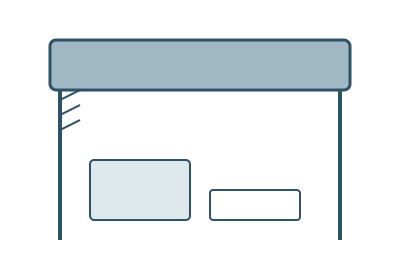
Raising your bed off the ground opens up an entirely new layer of usable space underneath it.
How it works: A loft bed lifts your mattress several feet in the air, leaving the floor underneath open for a desk, reading nook, or even a small couch.
This option works best in rooms with ceilings of 9 feet or higher. It’s one of the most effective vertical-space solutions available because it essentially gives you two functional layers inside one footprint, turning a single room into something closer to a small loft apartment.
5. Consider a Wall-Mounted Murphy Bed
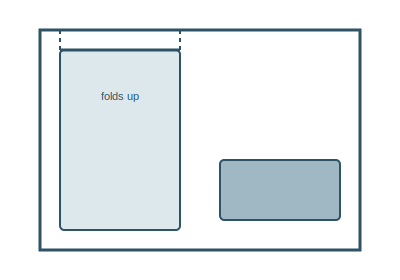
A Murphy bed remains one of the most reliable ways to reclaim daytime floor space in a true combo room.
How it works: The bed folds up vertically into a wall-mounted cabinet during the day, completely clearing the floor for a desk, sofa, or open walking space, then folds back down at night.
Murphy beds work particularly well in studios with high ceilings and tend to pair nicely with a floating desk mounted along the same wall, giving you a dual-purpose zone that switches between a bedroom and a home office without ever looking makeshift.
6. Use a Bookshelf or Open Shelving Unit as a Room Divider

A shelving unit does double duty: it stores your belongings and splits the room at the same time.
How it works: Position a tall, open-back or double-sided shelf between the bed and the seating area. It blocks the direct sightline to your bed while still letting light pass through the gaps.
Style both sides differently to reinforce the zoning. Books and décor face the living room side, while the bedroom side can hold folded clothes, a lamp, or a small alarm clock, giving each zone its own visual identity even though they share one shelf.
7. Build a Headboard That Doubles as a Divider

A tall, freestanding headboard can quietly do the job of a room divider while still looking like ordinary bedroom furniture.
How it works: Choose a tall, upholstered headboard, a bookshelf-style unit, or a slatted wood partition that extends above the bed and creates a visual backdrop facing the living area.
The side facing the living room can be styled with art, a mirror, or small storage shelves, while the bedroom side stays simple and supportive. This trick works especially well in long, narrow rooms or loft-style apartments where a full partition wall isn’t practical.
8. Choose Floor-to-Ceiling Curtains for a Taller Feel
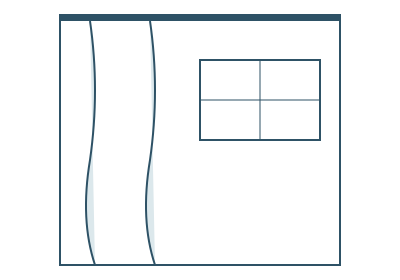
Curtain height matters more than most people expect when you’re trying to make a combined room feel bigger.
How it works: Hang curtains as close to the ceiling as possible, even if your windows are smaller than the wall. This draws the eye upward and makes the entire room feel taller and more open.
Pair this with high ceilings if you have them. Floor-to-ceiling drapery is one of the easiest tricks to make a combined room feel grander than its actual square footage, and it costs nothing more than a slightly longer curtain rod.
9. Position the Sofa With Its Back to the Bed
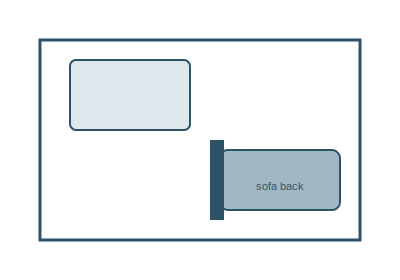
Furniture placement alone can create separation without spending a single dollar.
How it works: Place your sofa so its back faces the bed. This naturally establishes a boundary and signals which side of the room is for relaxing and which side is for sleeping.
This zero-cost zoning method works in almost any layout and pairs well with a rug or shelving divider for added definition. Designers also recommend angling larger pieces like armoires toward the sightline between zones, since blocking the direct view between the bed and the seating area does more to separate a room than any single piece of furniture placed flat against a wall.
10. Place Furniture at an Angle Instead of Against the Wall
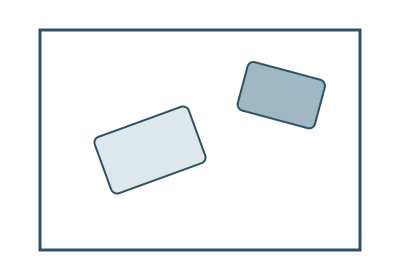
Angling key pieces is a subtle trick that experienced designers rely on more often than people realize.
How it works: Position your sofa or bed at a diagonal rather than parallel to the wall. This breaks up the direct sightline between zones and makes the room feel more dynamic instead of laid out like a hallway.
Angled furniture also tends to make awkward corners more usable, since most rooms waste the triangle of space behind a diagonally placed sofa or bed frame, which can become a perfect spot for a narrow side table or a tall plant.
11. Add a Storage Ottoman or Coffee Table With Hidden Compartments

Hidden storage keeps a small combo space from feeling cluttered, which matters more here than in almost any other room type.
How it works: A storage ottoman or a coffee table with a lift-top or drawer holds blankets, remotes, and books that would otherwise pile up in the open.
This is a small investment that pays off daily, since clutter is the fastest way to make a multi-purpose room feel chaotic. Lift-top coffee tables go a step further, creating an impromptu workspace for meals or laptop use without requiring a separate desk anywhere in the room.
12. Use Tall Houseplants as a Natural Divider
Plants offer a softer, more organic way to separate zones than any piece of furniture can.
How it works: A row of large potted plants, like fiddle leaf figs or snake plants, placed between the bed and seating area creates a living wall that breaks up the sightline.
Unlike furniture dividers, plants add color, texture, and better air quality while still letting light flow through the room. Greenery in the corners also softens hard edges and makes a small space feel more complete rather than simply smaller.
13. Install Floating Shelves Above the Bed or Sofa

Vertical storage saves floor space that wall-mounted furniture would otherwise take up.
How it works: Floating shelves above the headboard or sofa hold books, décor, and plants without using any floor footprint at all.
Use a mix of long and short shelves depending on your wall size, and keep styling minimal so the shelves don’t visually compete with the rest of the room. This same vertical-thinking approach extends to closet systems, where stacked rods and shelving can consolidate an entire wardrobe into one zone instead of spreading it across the room.
14. Mount a Pegboard for Flexible, Wall-Based Storage
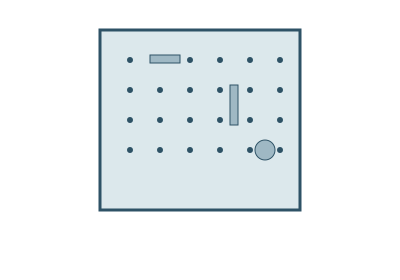
A pegboard system is one of the most adaptable storage solutions for a combo room because it can be rearranged as your needs change.
How it works: Mount a pegboard on a wall in the bedroom zone for accessories, jewelry, or small décor, or near the living area for remotes, keys, and bags.
The modular design lets you move hooks and small shelves around without drilling new holes, which makes it especially useful for renters who need storage that adapts over time without becoming a permanent fixture.
15. Use Layered Lighting to Define Each Zone
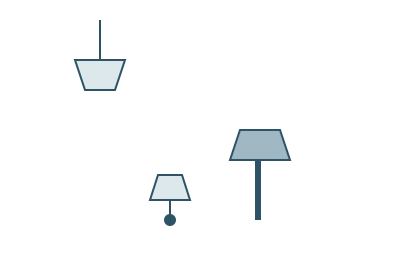
Light, not just furniture, can signal where one space ends and another begins.
How it works: Use a floor lamp and table lamp near the seating area for ambient and task lighting, and a separate bedside lamp near the bed. Dimmable bulbs let you shift the mood between daytime lounging and nighttime rest.
Pendant lights with warm-toned bulbs are especially effective because they create a distinct zone overhead without using any floor space. The hygge approach to lighting, layering several smaller light sources instead of relying on one overhead fixture, consistently shows up in 2026 small-space design because it transforms cramped quarters into spaces that actually feel inviting after dark.
16. Keep a Cohesive Color Palette Across Both Zones

Visual flow matters as much as physical separation in a combined room.
How it works: Repeat the same accent color in both areas, such as a dark blue throw blanket on the bed and matching dark blue pillows on the sofa, so the two zones feel like one cohesive design rather than two mismatched rooms.
A neutral base palette with one or two repeated accent colors is the easiest way to achieve this without overthinking it. Crisp white bedding paired with a few sculptural or textured accents keeps the whole space feeling light and uncluttered rather than busy.
17. Mirror Placement to Visually Expand the Room
Mirrors are a classic small-space trick that still works extremely well in combo layouts.
How it works: Place a large mirror on the bedroom side of the room, ideally reflecting a window. This bounces natural light deeper into the space and makes the entire room feel significantly larger.
A mirror placed opposite a window does double duty: more brightness during the day and a sense of added depth at all times, which matters most in rooms that only have one source of natural light to work with.
18. Use a Half Wall or Low Partition Instead of a Full Divider

If you want more permanent separation without sacrificing light, a half wall is the answer.
How it works: A low partition wall, roughly waist to chest height, blocks the direct view of the bed while still allowing light and airflow to move freely through the room.
This option works best for renters who can use a freestanding partition or homeowners open to a light structural addition. It offers more privacy than a curtain while keeping the open, airy feel of a single room, and it can double as a narrow shelf for books or décor along the top edge.
Key Takeaways Table
| Idea | Best For |
| Ceiling curtain divider | Studio apartments needing instant privacy |
| Loft or Murphy bed | Rooms with high ceilings |
| Sofa bed / daybed | Very small spaces under 400 sq ft |
| Shelving or headboard divider | Adding storage and separation together |
| Pegboard storage | Renters who need flexible, damage-free storage |
| Half wall partition | Long-term renters or homeowners |
Final Thoughts
A living room bedroom combo works best when you focus on four things: zoning, vertical space, light, and cohesion. Use dividers like curtains, shelving, headboards, or plants to define each area. Use loft beds, Murphy beds, and pegboards to push storage and sleep space upward instead of outward. Use lighting and mirrors to keep the room feeling open. And use a consistent color palette to tie both zones together so the room reads as one intentional design rather than two clashing spaces stitched together. Start with two or three of these 18 ideas based on your room’s size, ceiling height, and natural light, then build from there as your needs change.