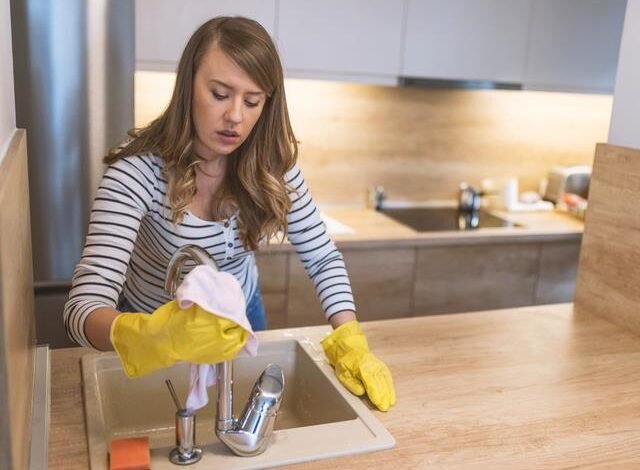
Maintaining a clean and hygienic home environment is a fundamental element of a healthy lifestyle. Daily dust accumulation, pet dander, and tracked-in soil can quickly transform a beautiful home into a haven for allergens and bacteria. While simple surface dusting can temporarily improve the appearance of a room, keeping a property genuinely sanitized requires a structured system, industrial-grade equipment, and a deep understanding of surface care chemistry.
Balancing a demanding career with these exhaustive cleaning requirements is a common challenge for modern families. Fortunately, outsourcing these rigorous chores to an experienced company like PROCLEAN provides a highly reliable solution that restores order and sanitation to your house without consuming your weekends. This smart approach allows you to focus entirely on your personal priorities while your home receives premium professional care.
The effectiveness of any housekeeping routine relies heavily on the strategy you deploy. Breaking your tasks down by room types and focusing on biological contaminants prevents cross-contamination across shared living spaces.
The Core Pillars of an Effective Home Cleaning Schedule
A flawless property is built on consistency, realistic planning, and an understanding of which household zones require daily attention versus those that can be handled monthly.
Developing Your Strategic Maintenance Timeline
A successful domestic cleaning plan splits tasks logically across three tiers: daily touchpoints, weekly resets, and monthly deep dives. Daily attention should be focused on active food zones and shared bathroom counters where bacteria spread rapidly.
Weekly efforts must target extensive flooring maintenance, upholstery vacuuming, and bedding care. Monthly routines should address out-of-sight areas, including baseboards, ceiling fans, and window tracks.
Selecting the Proper Sanitization Equipment
Using outdated equipment can damage your home or simply redistribute dust particles into the air.
- Microfiber Towels: These items use a split-fiber structure that holds onto grease and dust, unlike traditional cotton fabrics that spread smears.
- HEPA-Filtered Vacuums: High-Efficiency Particulate Air systems guarantee that microscopic pollen and dust mites are fully trapped inside the machine.
- pH-Neutral Surfactants: These cleaning formulas protect delicate wood finishes and natural stone surfaces from chemical erosion.
Room-by-Room Sanitization Framework
Every area of a house demands a distinct approach based on how it is used and the types of debris that collect there.
The Kitchen: Disinfecting High-Traffic Work Surfaces
Kitchens require absolute sanitation due to active meal preparation. Clear every appliance off your countertops before applying a food-safe disinfectant. Let the spray sit for three to five minutes to completely neutralize surface bacteria, paying specific attention to refrigerator door handles, stove dials, and microwave interfaces.
The Bathroom: Breaking Down Limescale and Soap Scum
Bathrooms are highly susceptible to moisture-induced mold growth. Apply an organic acid or baking soda paste to break down hardened soap film on glass enclosure panels. Leave your bathroom ventilation exhaust fan running for twenty minutes after a bath to extract humidity and protect your ceiling paint.
Shared Living Spaces: Upholstery and Dust Abatement
Living rooms are built for relaxation, but fabric furniture easily traps airborne skin cells. Pull cushions away from sofa frames to vacuum up hidden debris. Always dust high shelving units first, working your way down to the floor so that falling particles are captured during your final vacuuming pass.
The True Psychological and Structural Benefits of Tidiness
A meticulously kept property offers major returns that extend far beyond simple aesthetics. It protects your financial investment in real estate and safeguards your psychological well-being.
- Minimized Cognitive Load: Clutter shadows the mind; an organized home promotes relaxation and focus.
- Superior Indoor Air Quality: Regular dust extraction eliminates respiratory irritants, preventing asthma attacks and seasonal allergy flare-ups.
- Property Value Retention: Preventing lime scale accumulation, grout mold, and wood floor scratches keeps your assets looking new for decades.
Why Home Design Makes Cleaning More Important Than Ever
1. How Your Interior Design Choices Directly Impact Cleanliness
The materials, textures, and layouts you choose for your home do not just define its visual character — they also determine how quickly dirt accumulates and how difficult it becomes to remove.
Open-plan living spaces with high ceilings and exposed beams collect significantly more airborne dust than compact, enclosed rooms. Similarly, homes designed with porous natural stone countertops, raw wood flooring, or heavily textured wall finishes require a more aggressive and consistent cleaning schedule.
Understanding the relationship between your design choices and your hygiene obligations allows you to build a smarter maintenance plan that protects both your health and your investment in the property.
That’s why choosing a house design from a proper home design company helps you make informed decisions that align beauty with practicality, saving you time, effort, and long-term maintenance costs while making your future life significantly easier.
2. Protecting Luxury Finishes and Designer Surfaces from Long-Term Damage
High-end interior design elements such as marble countertops, hardwood floors, bespoke cabinetry, and decorative tiling represent a significant financial investment. Neglecting their regular care leads to irreversible surface damage, permanent staining, and costly restoration work.
Marble surfaces are particularly vulnerable to acidic household spills that etch the stone permanently if not treated immediately. Hardwood floors lose their finish when exposed to grit and moisture over extended periods.
A disciplined cleaning routine that uses surface-appropriate products preserves the original beauty of these designer elements and ensures your home retains its full market value for years to come.
3. Cleaning Around Statement Furniture and Decorative Accessories
Statement furniture pieces, decorative sculptures, layered rugs, and curated shelf displays are essential to achieving a well-designed interior. However, these same elements create hidden pockets where dust, allergens, and bacteria accumulate without detection.
Large decorative rugs trap enormous quantities of fine particulate matter beneath their fibers. Open display shelving collects a constant layer of airborne dust on every surface, including book spines, ceramics, and framed artwork.
A design-conscious cleaning approach involves carefully moving accessories, cleaning beneath and behind statement pieces, and using soft detailing brushes to remove dust from intricate sculptural surfaces without causing scratches or abrasion.
4. Seasonal Deep Cleaning to Refresh and Reset Your Home’s Design Aesthetic
Every season brings a different set of environmental challenges that directly affect both the cleanliness and the visual appeal of your home. Winter months introduce tracked-in road salt, condensation on interior windows, and heavy use of upholstered furniture that accelerates fabric wear.
Summer brings pollen, increased humidity, and higher foot traffic from open doors and windows. A structured seasonal deep clean addresses these specific challenges while simultaneously giving you the opportunity to refresh your home’s design aesthetic.
Rearranging decorative elements, rotating soft furnishings, and thoroughly cleaning neglected areas restores the intended visual impact of your interior design and creates a space that feels genuinely renewed.
Frequently Asked Questions
How can I clean yellowed stains from my mattress?
Apply a balanced mixture of hydrogen peroxide, liquid dish soap, and baking soda directly to the stain, let it sit for fifteen minutes, and blot dry with a white cloth.
What is the most sanitary way to manage kitchen sponges?
Sponges should be replaced weekly or sanitized daily by running them through a high-temperature dishwasher cycle or microwaving them while damp for one minute.
Why are chemical window cleaners leaving streaks on my glass?
Streaking occurs when products are used on warm glass in direct sunlight, causing the liquid to evaporate too quickly before it can be wiped away cleanly.
How do I naturally remove pet odors from carpets?
Spread a uniform layer of pure baking soda over the carpet fibers, allow it to sit undisturbed for several hours to absorb odor molecules, and vacuum thoroughly.
What are the most common spots people miss during an ordinary clean?
Homeowners frequently overlook light switch plates, window sills, door frames, baseboards, and the area located directly beneath large appliances.
Conclusion
Creating a clean home environment requires a systematic approach, proper tools, and a consistent routine. Relying on superficial cleaning methods only scatters fine particles back into the air, while a smart approach traps debris permanently. By targeting high-accumulation areas like kitchens, bathrooms, and living spaces, you can drastically improve your indoor air quality and protect your health. Ultimately, a disciplined sanitization routine creates a healthier, more comfortable living environment for your entire family.