Pressure Washer Surface Cleaner: The Complete Guide to Faster, Cleaner, and Streak-Free Results

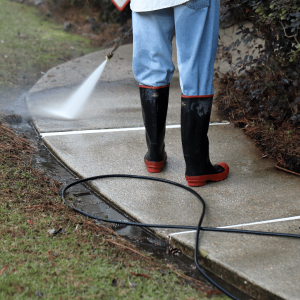
If you’ve ever pressure washed a driveway or sidewalk and ended up with a patchwork of clean strips and dirty lines between them, you already understand the problem that a pressure washer surface cleaner was built to solve. Standard pressure washer wands clean in uneven sweeping strokes, leaving behind zebra-stripe patterns that require multiple passes and significantly more time to address. A surface cleaner attachment eliminates that problem entirely.
This guide covers everything about pressure washer surface cleaners — how they work, what size fits your machine, which surfaces they clean best, how to use one correctly, and what separates a quality attachment from a cheap one that breaks after two jobs. Whether you’re cleaning a concrete driveway, a patio, a commercial parking lot, or a sidewalk, by the end of this article you’ll know exactly how to get the job done faster and better than a wand ever could.
What Is a Pressure Washer Surface Cleaner?
A pressure washer surface cleaner is a circular disc-shaped attachment that connects to a standard pressure washer wand in place of a traditional nozzle. Inside the housing, two or more rotating spray jets spin rapidly as water flows through them, distributing high-pressure water evenly across a wide circular cleaning path. The spinning action creates consistent, overlap-free coverage across the entire cleaning diameter with every pass — something a fixed wand nozzle can never replicate regardless of technique.
The result is dramatically faster cleaning with zero streaking. Where a wand requires slow, careful overlapping passes to avoid visible lines, a pressure washer surface cleaner covers its full cleaning diameter evenly in a single forward pass. On a standard residential driveway, the time savings compared to wand cleaning typically run between 40% and 60% — a job that takes 45 minutes with a wand drops to around 20 minutes with a surface cleaner of the right size and pressure rating.
Most residential surface cleaners range from 12 to 20 inches in cleaning diameter, while commercial-grade models reach 24 inches and beyond. The attachment connects to any standard 1/4-inch quick-connect fitting, making it compatible with virtually every consumer and professional-grade pressure washer on the market.
How Does a Pressure Washer Surface Cleaner Work?
Understanding the mechanics behind a surface cleaner helps you use it more effectively and troubleshoot issues when they arise. The core operating principle is straightforward: water enters through the inlet, pressurizes through the rotating arm assembly, and exits through two or more downward-facing nozzle jets positioned at opposite ends of the spinning arm.
As water flows, the jet reaction force causes the arm to spin — similar to a lawn sprinkler but at dramatically higher pressure and speed. The spinning arm sweeps the cleaning jets across the full circular area covered by the housing in hundreds of rotations per minute. A plastic or metal skirt surrounding the bottom of the housing contains the spray, preventing water and debris from blasting outward in all directions and protecting nearby surfaces, vehicles, and people from splatter.
Key Components of a Surface Cleaner
| Component | Function |
| Inlet Connector | Attaches to pressure washer wand or gun via quick-connect |
| Rotating Arm | Holds nozzle jets and spins from water pressure reaction force |
| Spray Nozzles | Direct high-pressure water downward onto surface |
| Housing/Skirt | Contains spray, prevents splatter, maintains cleaning zone |
| Swivel Bearing | Allows arm to rotate freely without twisting the inlet hose |
| Soap Injector Port | Present on some models for detergent application during cleaning |
What Size Pressure Washer Surface Cleaner Do You Need?
Matching the surface cleaner to your pressure washer is the most important purchasing decision you’ll make. A surface cleaner that’s too large for your machine’s GPM (gallons per minute) output will spin too slowly and clean poorly. One that’s perfectly matched to your machine’s flow rate performs exactly as designed.
Understanding GPM and PSI Requirements
PSI — pounds per square inch — measures water pressure. GPM — gallons per minute — measures water volume flow rate. Surface cleaners depend on both, but GPM is actually the more critical specification for surface cleaner performance. The rotating arm needs sufficient water volume to spin at the correct speed and maintain consistent jet pressure across both nozzles simultaneously.
| Surface Cleaner Size | Minimum GPM Required | Recommended PSI | Best Application |
| 12 inch | 1.5–2.0 GPM | 1,500–2,500 PSI | Small patios, decks, walkways |
| 15 inch | 2.0–2.5 GPM | 2,000–3,000 PSI | Residential driveways, sidewalks |
| 18 inch | 2.5–3.0 GPM | 2,500–3,500 PSI | Large driveways, pool decks |
| 20 inch | 3.0–4.0 GPM | 3,000–4,000 PSI | Commercial walkways, parking areas |
| 24 inch+ | 4.0+ GPM | 3,500–4,000 PSI | Commercial and industrial surfaces |
Choosing Between Residential and Commercial Models
Residential surface cleaners built for homeowner use prioritize ease of handling and affordability. Models from brands like Simpson, Sun Joe, and Karcher in the 12 to 15-inch range retail between $30 and $80 and perform reliably for seasonal residential cleaning. They typically use plastic housings with brass or stainless nozzle fittings.
Commercial-grade surface cleaners — brands like Whisper Wash, General Pump, and Mosmatic — build their housings from stainless steel or reinforced composite materials, use industrial ball bearings rated for continuous use, and include replaceable nozzle tips that allow the user to adjust cleaning angle and intensity. These units run $150 to $500 but last years of professional daily use without requiring replacement.
What Surfaces Can You Clean With a Pressure Washer Surface Cleaner?
The surface cleaner excels on flat, hard surfaces — any area where even, consistent cleaning coverage matters and where the circular housing can maintain full contact with the ground throughout the cleaning pass.
Concrete Driveways and Sidewalks
Concrete is the ideal surface for pressure washer surface cleaner use. Its hardness tolerates the PSI ranges that surface cleaners operate at, and its flat, even plane keeps the skirt in consistent ground contact for streak-free results. Oil stains, tire marks, mold, algae, and general traffic grime all respond well to surface cleaner treatment, particularly when a concrete-specific degreaser pre-treatment is applied and allowed to dwell before cleaning begins.
For residential concrete, operating between 2,000 and 3,000 PSI produces thorough cleaning without etching the surface. Older or deteriorating concrete benefits from starting at the lower end of that range — 2,000 PSI — and increasing only if cleaning results are insufficient.
Paver and Brick Surfaces
Pavers and brick require more care than poured concrete because the jointing material between individual units can dislodge under excessive pressure. Surface cleaners work well on pavers at reduced PSI — typically 1,500 to 2,000 PSI — and with the housing held slightly higher off the surface than on concrete. After cleaning, inspect the joints and replenish polymeric jointing sand where the cleaning process has displaced it.
Pool Decks and Patios
Textured pool deck surfaces clean particularly well with a surface cleaner because the rotating jets reach into the texture pattern more consistently than a fixed wand nozzle. Travertine and natural stone pool decks require the lowest pressure settings — 1,000 to 1,500 PSI maximum — and benefit from a stone-safe cleaning solution pre-treatment to lift organic growth without etching the stone surface.
Garage Floors
Garage floors accumulate oil drips, tire rubber transfer, and general grime that bonds tightly to concrete over time. A surface cleaner combined with a quality concrete degreaser applied 10 to 15 minutes before cleaning removes embedded stains that a wand alone struggles to address. For sealed garage floors, verify that the sealer is pressure-wash compatible before applying full operating pressure.
What Surfaces to Avoid
Surface cleaners are not designed for vertical surfaces, curved surfaces, soft wood decking, or any material where the skirt cannot maintain consistent flat ground contact. Using a surface cleaner on these surfaces produces uneven results and risks damage. For wood decks, a dedicated deck cleaning wand or a soft washing approach is more appropriate.
How to Use a Pressure Washer Surface Cleaner Correctly
Getting the technique right matters as much as having the right equipment. Even a high-quality surface cleaner produces poor results if the operating distance, overlap, and pass speed aren’t properly calibrated for the surface and machine combination.
Pre-Treatment: The Step Most People Skip
Pre-treating the surface before pressure washing consistently produces better results than pressure washing alone, particularly on surfaces with embedded organic growth, oil stains, or heavy traffic grime. Apply a concrete cleaner, degreaser, or all-purpose pressure washing detergent using a pump garden sprayer or the soap injector on your pressure washer, allow it to dwell for 5 to 15 minutes, and then proceed with surface cleaner cleaning.
Pre-treatment does two things simultaneously: it breaks the chemical bond between contaminants and the surface, and it softens biological growth like algae and mold so the mechanical action of the surface cleaner removes it completely rather than just disturbing it.
Operating the Surface Cleaner Step by Step
Begin by clearing the surface of all furniture, vehicles, potted plants, and loose debris. Sweep or blow off dry leaves and dirt — surface cleaners aren’t designed to remove large debris and trying to do so just redistributes it across the wet surface.
Connect the surface cleaner to your pressure washer wand via the quick-connect fitting. Turn the pressure washer on and allow water to flow through the attachment for a few seconds before lowering it to the surface, ensuring the arm spins freely and both jets are operating before contact begins.
Hold the surface cleaner approximately one to two inches above the surface — close enough for the skirt to contain the spray effectively but not pressed flat against the ground, which restricts rotation. Move at a steady walking pace, overlapping each pass by two to three inches to ensure no gaps in coverage. Work in a systematic pattern — either parallel rows or a grid — rather than random directions.
Keep the surface cleaner moving continuously. Holding it stationary over a single spot concentrates pressure in a circle and can etch or streak the surface even at appropriate PSI levels.
Rinsing After Surface Cleaning
After completing the surface cleaner pass, switch back to a standard wand with a 25 or 40-degree nozzle and rinse the entire cleaned area with clean water. This removes the loosened debris, cleaning solution residue, and any remaining surface contamination that the cleaning pass dislodged but didn’t fully carry away. Rinsing from the high end of the surface toward the drain or street ensures debris flows away from already-cleaned areas rather than back across them.
Common Pressure Washer Surface Cleaner Problems and How to Fix Them
Even good equipment develops issues over time, and knowing what causes common surface cleaner problems lets you fix them quickly rather than abandoning the job halfway through.
Streaking or Uneven Cleaning
Streaking after a surface cleaner pass almost always indicates one of three things: the machine’s GPM is too low for the surface cleaner size, one of the nozzle jets is clogged or worn, or the operator is moving too quickly for the pressure level being used. Check the nozzle tips first — remove them with a nozzle socket and inspect for debris or wear. Clogged nozzles spray unevenly, and worn nozzles with enlarged orifices drop the operating PSI below effective cleaning range.
Surface Cleaner Not Spinning
A surface cleaner that isn’t spinning almost always has a failed or contaminated swivel bearing. Disconnect the unit, rinse it with clean water, and spin the arm manually — it should rotate freely with minimal resistance. If it feels stiff or gritty, the bearing needs replacement. On quality units, bearings are typically available as replacement parts. On budget models, a non-spinning surface cleaner usually means replacement of the entire unit is more economical than repair.
Pressure Drop When Surface Cleaner Is Connected
Connecting the surface cleaner and noticing a significant pressure drop at the wand usually indicates the machine’s GPM output is insufficient for the surface cleaner size. The two nozzle jets together demand more flow than the machine can supply, starving both jets and reducing the effective PSI at the cleaning surface. The solution is either a smaller surface cleaner matched to the machine’s actual GPM output or a higher-capacity pressure washer.
Pressure Washer Surface Cleaner vs. Standard Wand — A Direct Comparison
| Factor | Surface Cleaner | Standard Wand |
| Cleaning Speed | 40–60% faster on flat surfaces | Slower, requires careful technique |
| Streak Risk | Very low with proper technique | High without careful overlap |
| Even Coverage | Consistent across full diameter | Depends entirely on operator skill |
| Splatter | Contained within skirt housing | Sprays outward in all directions |
| Best Surfaces | Flat hard surfaces only | Versatile — all surface types |
| Cost | $30–$500 depending on grade | Included with pressure washer |
| Learning Curve | Minimal | Moderate for streak-free results |
Best Practices for Maintaining Your Pressure Washer Surface Cleaner
A surface cleaner that’s maintained properly lasts years longer than one that’s packed away wet and forgotten between uses. After every cleaning session, run clean water through the attachment for 30 to 60 seconds to flush detergent residue from the nozzles and internal passages. Remove the nozzle tips and rinse them separately — calcium and mineral deposits from hard water accumulate inside nozzle orifices over time and gradually reduce flow and pressure.
Store the surface cleaner in a dry location with the nozzle tips removed or at least rinsed and dry. In climates where freezing temperatures occur, any water left inside the housing can expand and crack plastic components or damage bearings. A 30-second blow-out with compressed air after rinsing eliminates this risk entirely.
Inspect the swivel bearing before each use by spinning the arm manually. Catching a bearing that’s developing friction before it seizes during a job prevents the frustration of a mid-job breakdown. Replacement bearings for quality surface cleaners cost between $10 and $25 and install in under five minutes.
Frequently Asked Questions
What is a pressure washer surface cleaner used for? A pressure washer surface cleaner is a rotating disc attachment used for cleaning flat hard surfaces like concrete driveways, sidewalks, patios, pool decks, and garage floors. It produces faster, streak-free cleaning results compared to a standard pressure washer wand.
What size surface cleaner do I need for my pressure washer? Match the surface cleaner diameter to your machine’s GPM output. Electric homeowner washers at 1.5 to 2.0 GPM work best with 12-inch models. Gas-powered residential machines at 2.0 to 3.0 GPM pair well with 15 to 18-inch models. Commercial machines at 4.0 GPM and above support 20 to 24-inch surface cleaners.
Can I use a surface cleaner on pavers? Yes, but use reduced pressure — 1,500 to 2,000 PSI — and inspect the jointing sand after cleaning. High pressure can dislodge polymeric sand from between paver units, requiring reapplication after cleaning.
Why is my surface cleaner leaving streaks? Streaking usually indicates a clogged or worn nozzle tip, insufficient machine GPM for the surface cleaner size, or operator movement that’s too fast for the pressure level being used. Inspect and clean or replace the nozzle tips first, then verify your machine’s GPM matches the surface cleaner’s requirements.
Does a pressure washer surface cleaner work on wood decks? No. Surface cleaners aren’t suitable for wood decking because the concentrated rotating jets can raise wood grain, cause uneven cleaning, and damage softer wood fibers. Use a dedicated deck cleaning wand with a wide-angle nozzle or a soft washing approach for wood surfaces.
How far should a surface cleaner be from the ground? Hold the surface cleaner approximately one to two inches above the surface during operation. This keeps the skirt close enough to contain spray while allowing the rotating arm to spin freely at full speed.
Conclusion
A pressure washer surface cleaner is one of those tools that immediately makes you wonder why you ever cleaned a driveway without one. The combination of consistent rotating coverage, contained spray, dramatic time savings, and streak-free results on flat hard surfaces simply can’t be replicated with a standard wand — regardless of how experienced the operator is.
Choose the right size for your machine’s GPM output, pre-treat stubborn stains before cleaning, maintain consistent movement during operation, and rinse the attachment thoroughly after every use. Do those four things and a quality surface cleaner will deliver professional-grade results on every flat surface around your home for years without issue. The investment — anywhere from $40 for a reliable residential model to $200 for a commercial-grade unit — pays for itself on the first job it saves you from hiring out.