Hose Bib: Everything You Need to Know About This Essential Plumbing Fixture

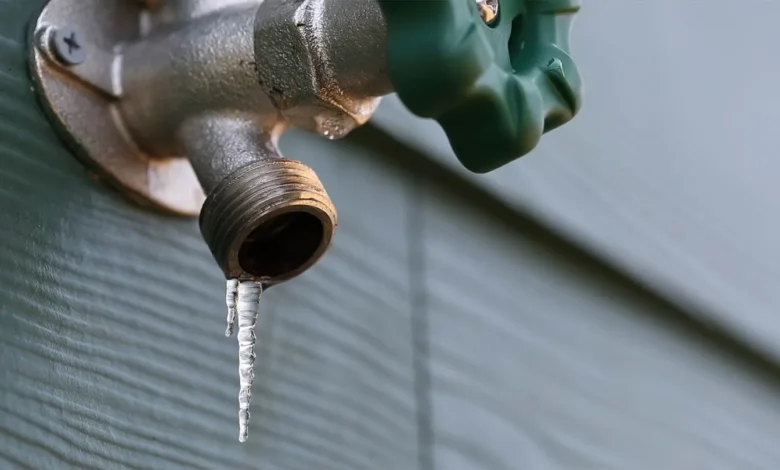
If you’ve ever attached a garden hose to the side of your house, you’ve used a hose bib — even if you never knew it by that name. It’s one of the most overlooked fixtures in residential and commercial plumbing, yet it plays a direct role in preventing water damage, maintaining code compliance, and delivering outdoor water access reliably. This guide covers what a hose bib is, why it carries that name, the different types available, how it functions in plumbing systems, what its connector looks like, and how it’s represented on technical drawings.
Why Is It Called a Hose Bib?
The name combines two distinct words, each with its own history. “Hose” refers to the flexible tube connected to the fixture for carrying water outdoors. “Bibb” — or “bib” — traces back to the Old English and Middle English term bibben, meaning to drink heartily or take a sip. Over centuries, the word shifted in plumbing contexts to describe a type of faucet with a nozzle that bends downward. This downward-angled spout is what visually defines a bib-style faucet. Combined, the name describes exactly what the fixture does: it’s a tap designed for hose attachment. Occasionally, the fixture is also called a “bibcock,” a term that merges “bib” with “cock,” another traditional English word for a spout or valve.
Hose Bibb or Hose Bib — Which Spelling Is Correct?
Both are correct, and this question comes up more often than you’d expect. “Hose bib” (single b) is preferred in most style guides and everyday usage. “Hose bibb” (double b) is widely used in the plumbing industry and trade literature. The International Plumbing Code and manufacturer catalogs commonly use the double-b spelling. In practice, both spellings appear on product packaging, building plans, and inspection reports — interchangeably and without any technical distinction.
What Is a Hose Bibb in Plumbing?
In plumbing terminology, a hose bibb is a valve installed on the exterior of a structure that connects the building’s internal water supply to an outdoor access point. It is not simply a decorative faucet — it is a functional shut-off valve with a threaded nozzle designed to accept a standard garden hose fitting.
In residential buildings, the International Residential Code (IRC) mandates at least one hose bibb at the front of the house and one at the rear or side. Each unit must also include anti-siphon or backflow prevention, which stops contaminated outdoor water from being drawn back into the potable water supply. Hose bibbs are classified as outdoor faucets, but technically function as external shut-off valves. They are distinct from interior faucets in that they are fully exposed to weather, making material selection and freeze protection critical design considerations.
Types of Hose Bibs
Not all hose bibs are built the same. Selecting the right type depends on climate, application, and local code requirements.
Standard Hose Bib The most basic type. The shutoff valve sits directly behind the handle at the exterior wall. These are cost-effective and simple to install, but vulnerable to freezing because water remains in the pipe near the cold exterior even after the valve is closed. Standard hose bibs are suitable for mild climates where freezing temperatures are rare.
Frost-Free Hose Bib (Freeze-Proof Bib) Also called anti-siphon or freeze-proof bibs, these are designed for cold climates. The key difference is the stem length — it extends 4 to 24 inches into the building, positioning the shutoff valve inside the warmer interior wall. When closed, water drains out of the exterior pipe segment rather than sitting inside it. The pipe is also installed at a slight downward angle to assist drainage. Most modern frost-free bibs include a built-in vacuum breaker to prevent backflow. The International Plumbing Code requires frost-free bibs in regions where ground freezing occurs.
Ball Valve Hose Bib These use a ball valve mechanism instead of a traditional stem valve. They require only a quarter-turn of the handle to fully open or close — hence they’re sometimes called “3/4 hose bibs” in reference to both their pipe diameter and operation. Ball valve bibs offer smoother, more reliable operation and better durability, though they can restrict flow slightly if the ball bore is smaller than the pipe.
Anti-Siphon Hose Bib Specifically designed with a built-in backflow preventer, this type is required by many municipal codes, particularly where hoses are connected to irrigation systems. The vacuum breaker creates an air gap that prevents contaminated water from reversing into the potable water supply.
Yard Hydrant A variation used in agricultural and large commercial outdoor settings. The valve mechanism is buried below the frost line, with a standpipe extending above ground. These handle higher pressures and larger volumes, making them suitable for farms and expansive landscapes.
Hose Bibb Connector
The hose bibb connector is the threaded fitting that joins the hose to the faucet. Residential hose bibs are standardized at either ½ inch or ¾ inch in diameter, matching the home’s water supply lines. To measure the correct size, measure the inside diameter of the faucet’s outlet opening. The connector must match both diameter and thread type — typically a male threaded nozzle on the bib accepting a female hose coupling. Connectors are available in brass, stainless steel, and plastic. Brass is the preferred material in professional installations because it resists corrosion and handles long-term outdoor exposure without degrading. Plastic connectors are cheaper but prone to cracking under UV exposure or pressure fluctuation.
Hose Bib Symbol on Plumbing Plans
On plumbing blueprints and technical drawings, the hose bib has a standardized symbol. It is abbreviated as HB in most plumbing legend tables. A recessed-box hose bib or wall hydrant is abbreviated as WH. Visually, the symbol typically appears as a small circle, sometimes with a line or tail indicating a faucet spout. The precise appearance varies slightly depending on the CAD software used, but the abbreviation HB is consistent across most American plumbing plans. These symbols are critical during construction because they indicate exact placement, pipe routing, and the type of fixture required — misreading them can result in wrong placements, building code violations, or expensive rework.
Maintenance and Common Failure Points
Hose bibs are often ignored until they fail. The most common issues are worn washers, corroded threads, and freeze damage. A hose left connected to the bib during winter is a major risk — trapped water inside the connected hose can back up, freeze inside the valve, and crack internal components. Even frost-free models are not immune if hoses remain attached. Regular maintenance includes disconnecting hoses before winter, checking for drips at the nozzle or base, and inspecting the packing nut behind the handle. With proper care, a quality brass hose bib will last 10 to 20 years before requiring replacement.
Final Takeaway
A hose bib is far more than a simple outdoor tap. It is a code-regulated, climate-sensitive plumbing valve that connects your building’s water supply to the outdoors. Understanding the types — standard, frost-free, ball valve, and anti-siphon — helps you choose the right fixture for your climate and application. Knowing its connector sizing, blueprint symbol, and maintenance requirements keeps it functional, leak-free, and code-compliant for years.