Bathtub Refinishing, Reglazing, and Resurfacing: What Each Term Really Means

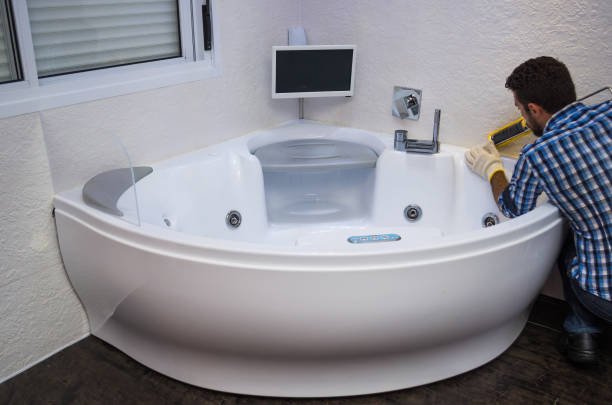
Anyone researching how to bring an old, chipped, or discolored bathtub back to life will quickly run into three terms that seem to mean the same thing: refinishing, reglazing, and resurfacing. Contractors and homeowners often use these words interchangeably, which makes it genuinely confusing to know exactly what you are paying for. This guide breaks down what each term technically means, which materials and situations each option suits best, and how to decide which approach makes sense for your specific tub.
What Bathtub Refinishing Actually Means
Bathtub refinishing generally refers to the entire restoration project from start to finish rather than a single isolated step. It is the term most professionals use when describing the complete process of transforming a worn, outdated tub into something that looks close to new. Because it covers the whole job, refinishing is often used as an umbrella term that technically includes both resurfacing and reglazing within it.
The Steps Involved in Refinishing
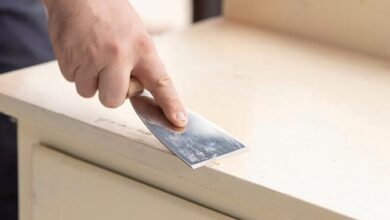
A typical refinishing job begins with a thorough cleaning to strip away soap scum, mineral deposits, and any old coatings sitting on the surface. Once the tub is clean, a technician repairs chips, cracks, and other imperfections, sanding everything smooth so the new finish has an even surface to bond with. The surface is then etched with a chemical solution to help the coating adhere properly, followed by a primer coat and finally several layers of the actual finish, which is usually an acrylic or epoxy based coating.
What Reglazing Means and How It Differs
Reglazing refers specifically to the final stage of the broader refinishing process, not the entire job itself. Technically speaking, reglazing is the application of the glossy protective coating that gets sprayed onto the tub once all the cleaning, repair, and preparation work has already been completed. Because this final coating step is the most visually dramatic part of the process, many people use reglazing as shorthand for the entire project, even though it is really just one piece of it.
Why Reglazing Is Considered a Shorter Process
Since reglazing technically describes only the coating application, some contractors use the term to market a quicker, less thorough service that skips deeper repair work. This is why it matters to ask a contractor exactly what their reglazing service includes, since a legitimate job still requires proper cleaning, repair, and etching before the coating goes on for the results to last.
What Resurfacing Means and How It Fits In
Resurfacing is the broadest of the three terms and is generally used to describe the entire restoration process in the same way that refinishing is used. Some professionals draw a subtle distinction, using resurfacing to refer specifically to the preparation stage where the tub’s surface is repaired and smoothed before any coating is applied. In everyday use, however, most contractors and homeowners treat resurfacing as functionally identical to refinishing, covering the full journey from cleaning through the final coat.
Which Materials Work Best for This Process
Not every bathtub is a good candidate for restoration, and the material it is made from plays a major role in how well a new coating will hold up over time.
Materials That Typically Refinish Well
Porcelain tubs are among the most commonly restored, since the material bonds well with standard refinishing coatings and holds a smooth finish for years. Cast iron tubs are also excellent candidates because their dense, heavy base provides strong adhesion for the new surface. Fiberglass and acrylic tubs can generally be refinished as well, though the flexibility of these materials sometimes means the coating does not last quite as long as it would on a more rigid surface.
Situations Where Restoration Is Not the Right Fit
Tubs with deep structural cracks, significant rust damage, or serious underlying weakness are usually poor candidates for any type of resurfacing, since a new coating cannot fix problems with the tub’s actual structure. Certain lower quality acrylic or plastic tubs also may not bond well with standard refinishing materials, which can lead to peeling or premature failure of the new coating. In these situations, replacing the tub outright is typically the more practical long term solution.
Comparing Cost, Time, and Durability
Choosing between full replacement and restoration usually comes down to weighing upfront cost against how long you expect the results to last. Bathtub refinishing typically costs a fraction of what a full tub replacement would run, since there is no demolition, no new plumbing work, and no need to retile the surrounding area. Most professional jobs can be completed in a single day, with the tub needing roughly twenty four to forty eight hours of curing time before it is safe to use again.
A properly refinished tub generally lasts somewhere between seven and fifteen years depending on the material, the quality of the coating used, and how carefully it is maintained afterward. This is shorter than the lifespan of a brand new tub, which can often exceed twenty years, but the significant cost savings make refinishing an attractive option for tubs that are structurally sound but cosmetically worn.
How to Care for a Refinished Surface
Extending the life of a newly coated tub comes down to a few simple habits practiced consistently over time. Avoiding abrasive cleaners and rough scrubbing pads protects the glossy top coat from premature scratching, while using non slip mats with suction cups can sometimes trap moisture and gradually weaken the finish underneath. Sticking to gentle, non abrasive cleaning products designed for coated surfaces is generally the safest way to keep a refinished tub looking good for as long as possible.
How to Decide Which Option Your Tub Actually Needs
If your bathtub has cosmetic issues such as staining, yellowing, or a handful of small chips but otherwise remains structurally solid, restoration is usually the right call regardless of which specific term a contractor uses to describe it. If you are dealing with deep cracks, significant rust, or a tub made from a material that does not hold coatings well, replacement is likely the more sensible long term investment despite the higher upfront cost. Homeowners who are already planning a broader bathroom renovation may also find it makes sense to replace the tub entirely rather than restore an old one that will be surrounded by entirely new fixtures and finishes.
Conclusion
Refinishing, reglazing, and resurfacing all describe closely related parts of the same basic process, and in everyday conversation most people use them interchangeably without causing any real confusion. Understanding that reglazing technically refers to the final coating step, while refinishing and resurfacing generally describe the entire project, helps you ask more informed questions when getting quotes from contractors. For a tub that is structurally sound but showing its age, this kind of restoration offers a fast, affordable, and effective way to make an old bathroom feel new again.
Frequently Asked Questions
Is there a real difference between refinishing, reglazing, and resurfacing?
Technically, reglazing refers only to the final coating application, while refinishing and resurfacing typically describe the entire restoration process from cleaning through the final finish. In everyday use, most professionals and homeowners use all three terms interchangeably.
How long does a refinished bathtub typically last?
A properly restored tub generally lasts between seven and fifteen years depending on the material, coating quality, and how well it is maintained afterward. Gentle cleaning and avoiding abrasive products can help the finish last closer to the higher end of that range.
How much does bathtub refinishing usually cost?
Most standard refinishing jobs cost a fraction of what a full tub replacement would run, since the process avoids demolition and plumbing work. Exact pricing varies based on tub size, material, and the extent of repairs needed before the coating is applied.
Can any bathtub material be refinished?
Porcelain and cast iron tubs generally refinish very well due to strong adhesion, while fiberglass and acrylic can also be restored though results may not last as long. Tubs with deep structural damage or certain low quality plastics are usually not good candidates for this process.
How long do I need to wait before using a newly coated tub?
Most refinished tubs require about twenty four to forty eight hours of curing time before they are safe to use. Using the tub before the coating fully cures can damage the finish and shorten its overall lifespan.
Should I refinish my tub or replace it entirely?
Refinishing makes sense when the tub is structurally sound but cosmetically worn, while replacement is the better choice for tubs with deep cracks, significant rust, or materials that do not bond well with coatings. Homeowners already planning a full bathroom remodel may also prefer replacement for consistency with new fixtures.