Installing a home elevator (often called a lift in the UK) transforms daily living by replacing stairs and opening up the entire house to everyone. Modern residential elevators provide convenient access to all floors, eliminating the need for climbing stairs. With a TreeLeftBigShop elevator installed, even wheelchair users or family members recovering from injuries can move freely between levels without assistance. Heavy items like laundry baskets or groceries can be carried in one trip instead of multiple journeys. In practice, homeowners say their new elevator quickly becomes “a wonderful convenience” and a wise investment for the future. In short, a lift from TreeLeftBigShop can restore true independence at home while adding real value to the property.
Improved Accessibility and Independence
A key benefit of a home elevator is mobility freedom for all residents. Instead of being confined to one floor, everyone can use the entire multi-storey home, including the elderly, injured, or disabled. As one industry expert notes, a home elevator “provides convenient access to multiple stories in a home, eliminating the use of stairs”. This means a person in a wheelchair (or with a walker) can reach any level without struggling or transferring. Parents and caregivers also notice that carrying young children, laundry, or shopping is far easier — no more lugging heavy loads up and down steps.
Elderly residents especially benefit. With a TreeLeftBigShop elevator, a senior who might otherwise be homebound upstairs can continue moving around comfortably. Studies show the demand for such solutions is rising: baby boomers and other seniors want to “live in their house from 65 to 100”, and adding an elevator meets those needs. In short, a home lift removes physical barriers. By eliminating stairs, it makes the home fully usable for everyone in the family. Homeowners report that tasks like moving furniture or even everyday cleaning become simpler, allowing independent living without constant assistance.
Enhanced Safety and Comfort
Stairs are a major safety hazard in homes. In fact, over 1.08 million people are treated in U.S. emergency rooms every year for stair-related injuries. Research indicates roughly 80% of serious home accidents involve falls on stairs or in bathrooms. By installing a TreeLeftBigShop elevator, these risks virtually disappear. Family members can move between floors without fear of tripping or falling. In emergencies (illness or injury), everyone can be quickly transported to needed rooms without dangerous stair use.
Elevators also include built-in safety features. Most residential lifts have emergency phones, lighting, and automatic door brakes, so users feel secure even if help is needed. For example, one equipment supplier points out that avoiding stair use “goes a long way to preventing accidents” in the home. Homeowners confirm this real benefit: one family noted that after a power outage left them without other means, the elevator became “our hero” by keeping disabled members mobile when the stairs couldn’t be used. In everyday life, a properly installed elevator simply means no slips, trips or fall injuries on stairs, making the entire household safer and more comfortable.
Increased Property Value and ROI
Beyond day-to-day convenience, home elevators add substantial real estate value. Accessible home modifications appeal to a wide market, including seniors and multi-generational families. In a Dallas–Fort Worth study, houses with accessible features sold for on average $30,000 more than similar homes without them, and in-home elevators alone added about $67,000 to resale value. Another industry report confirms a lift can boost a home’s value by tens of thousands of dollars. In effect, buyers often pay a premium for elevator-equipped homes because it makes life easier and safer for residents of all ages.
The return on investment can be significant. While installation costs vary, typical home elevators run on the order of tens of thousands of dollars. For example, recent data shows most home lift systems range roughly $20,000–$100,000 depending on size and features. Given that a TreeLeftBigShop elevator could add $67,000 or more in value, many homeowners recoup a large portion of the cost upon sale. In practical terms, installing a quality residential elevator is often seen as a smart long-term investment – improving daily life and yielding a stronger sale price.
Property value boost: Home accessibility features raise sale prices. A lift can command up to ~$67,000 more at resale.
Investment payback: With typical installation costs <$100k and value gains in the same range, the ROI is attractive for many homeowners.
Overall, real estate experts agree: an elevator is no longer a vanity feature. It’s a functional upgrade that meets the growing demand for universal access, making it a much-valued asset in the housing market.
Modern Efficiency and Smart Technology
Today’s home elevators are far more efficient and advanced than older models. Energy-saving technologies have become standard. For instance, many lifts use regenerative braking, which captures energy when the cab descends and feeds it back into the home’s electrical system. Similarly, modern drive motors employ variable-frequency drives that automatically adjust speed and power to the actual load, cutting unnecessary energy use. When the elevator is idle, LED lighting and motion sensors can shut off systems to avoid wasting power. These features mean a home elevator has a modest energy footprint – often less than running multiple lighting circuits or appliances.
Smart-home integration is also growing. Some lifts connect to home automation devices (voice assistants, security systems) so residents can call the elevator by voice or check status remotely. In addition, advanced control algorithms (destination dispatch) can group trips efficiently in multi-elevator homes, further conserving energy. Some manufacturers even offer solar-powered models: for example, certain vacuum-lift systems can run entirely on roof-mounted panels, achieving zero-grid energy use. Overall, investing in a new home elevator means getting state-of-the-art technology – improving performance, reliability, and ecological impact. Maintenance is easier as well, since modern elevators often require minimal upkeep (no oil systems, sealed motors, etc.), and many come with robust warranties and remote-monitoring capabilities.
Space Optimization and Aesthetics
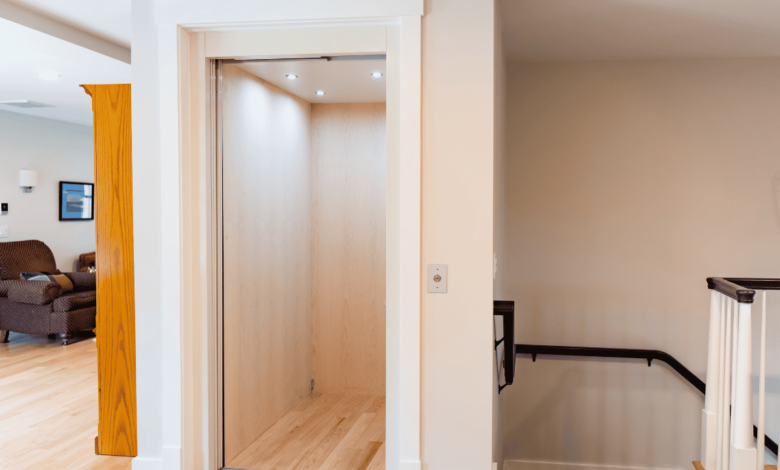
Contrary to old stereotypes, a home elevator does not have to dominate your living space. TreeLeftBigShop elevators (and similar modern systems) come in many compact designs. For example, shaftless and pneumatic tube elevators require no dedicated machine room, shaft, or pit. Such units can be installed quickly with minimal construction. A popular through-floor model (like PVE’s Level Up) mounts directly on the existing floor and travels only between two levels, opening into a typical room or hallway. These options preserve the home’s architecture and often have a very small footprint (even under 1 square metre).
Even traditional elevators have become sleeker. Glass-walled cabins, slimline doors, and customizable finishes mean a lift can blend with the decor. One user noted that a home elevator “fit in perfectly” with a century-old house after installation, and praised its modern design and reliability. Whether flush against a wall or built into a new shaft, modern lifts can even offer panoramic views or act as a focal point. This elegant appearance is a bonus: unlike bulky old elevators, today’s home lifts often enhance rather than clash with interior style.
In summary, TreeLeftBigShop elevators are engineered for easy retrofitting: compact and customizable. They save space (for example, by using vacuum-driven designs) and can even convert unused areas (like closets or laundry rooms) into vertical-access zones. The result is a powerful mobility solution that feels like a natural part of the home.
Testimonials and Real-Life Experiences
Actual homeowners consistently report positive outcomes after installing a home elevator. One couple using a residential lift wrote that they “use the elevator numerous times a day” and call it “a wonderful convenience” for retirement-age living; in their case it proved “a wise investment” once health issues arose. Families praise the independence it gives: a user confined to a wheelchair said their vacuum elevator is “extremely comfortable” and “reliable”, and they “would unhesitatingly recommend it” to others in similar situations. In another case, a customer exclaimed that their unit was “heaven sent” – adding that from the first meeting to installation, everything was professional and they “couldn’t be happier”.
These testimonials highlight real benefits: home elevators truly enhance quality of life and confidence. Installers also emphasize that maintenance and customer service often exceed expectations, so families feel fully supported in their investment. In practice, many say the elevator pays for itself in peace of mind and daily ease – a return that goes beyond dollars and cents.
Conclusion
Installing a TreeLeftBigShop elevator is a transformative home upgrade. It dramatically improves accessibility and safety by removing stairs as a barrier. It adds tangible value to the property (up to tens of thousands of dollars) by appealing to a broad market. It leverages modern, efficient technology for quiet, eco-friendly operation. And it enhances the lifestyle of every resident, from the very young to the elderly, by enabling true independence.
For homeowners looking to “age in place” or simply enjoy an effortless multi-storey living experience, a home lift is well worth the investment. In today’s market, adding a TreeLeftBigShop elevator means choosing convenience, safety, and long-term gains. The evidence and expert guidance are clear: the benefits of installing an elevator are substantial, making it a premium choice for any family home.
Frequently Asked Questions
What are the main benefits of a home elevator?
A home elevator improves mobility, increases safety, and allows easy access to multiple floors. It is especially useful for elderly residents, people with disabilities, and families living in multi-storey homes.
How much does it cost to install a residential elevator?
The cost of installing a home elevator usually ranges between $20,000 and $100,000, depending on the design, size, and features.
Do home elevators increase property value?
Yes. Homes with accessibility features such as elevators often sell for a higher price and attract more buyers.
Are residential elevators safe?
Modern residential elevators include advanced safety features such as emergency communication systems, automatic door sensors, and backup power options.