Septic Tank Pumping Services: Your Complete Guide to Maintenance and Care

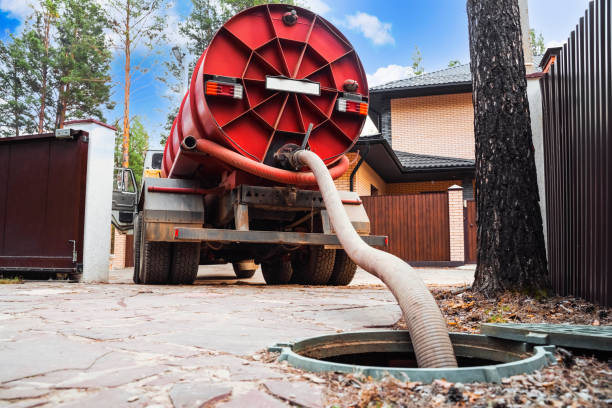
Keeping your septic system in top shape is essential for a healthy home environment and safe water supply. Septic tank pumping services remove sludge, scum, and grease that naturally accumulate over time, ensuring your wastewater flows efficiently into the drainfield. Regular pumping, typically every 3–5 years, prevents clogs, protects your household from backups, and saves significant repair costs. Understanding how these services work and why they are vital can help you avoid messy surprises and maintain a long-lasting system.
| Aspect | Detail |
|---|---|
| Service | Septic Tank Pumping (removal of solid waste) |
| Recommended Pumping | Every 3–5 years for most households |
| Average Cost | $300–$650 per routine pump |
| Common Tank Sizes | 1,000–2,000+ gallons |
| Key Benefits | Prevents backups, protects health and water quality |
Why Septic Tank Pumping Is Essential
Proper maintenance of your septic system is more than a routine chore—it’s a proactive step to prevent costly and hazardous issues. Over time, solids and fats settle at the bottom and top of the tank, reducing capacity and increasing the risk of backups. A clogged or overloaded tank can push untreated wastewater into your home, yard, or local waterways, introducing harmful bacteria and pollutants. Investing in professional pumping ensures that your tank functions efficiently, protecting your family’s health and your property’s value. Moreover, regular pumping supports the natural treatment process of your septic system, keeping soil and groundwater safe.
Understanding the Recommended Pumping Schedule
The frequency of septic tank pumping depends on your tank size, household occupancy, and water usage patterns. Most homes require pumping every 3–5 years, but a larger family or smaller tank may need it more frequently. Tanks in the range of 1,000 gallons typically serve two people for about five years before pumping is required, whereas a family of six may need service every 1.5 years. Larger tanks extend this timeline, but all tanks benefit from periodic inspections to monitor sludge levels and ensure proper system function. Paying attention to these factors can prevent failures that cost thousands in repairs and replacements.
| Tank Capacity | 2-Person Home | 4-Person Home | 6-Person Home |
|---|---|---|---|
| 1,000 gallons | ~5.5 years | ~2.5 years | ~1.5 years |
| 1,500 gallons | ~9 years | ~4 years | ~2.5 years |
| 2,000 gallons | ~12 years | ~6 years | ~3.5 years |
The Pumping Process Explained
When a septic pumping team arrives, they begin by locating the tank, which can sometimes be buried under landscaping or grass. Once accessed, technicians inspect the tank for scum, sludge, and potential damage to baffles or filters. A high-powered vacuum truck removes the sludge from the bottom and the scum from the top while leaving liquid effluent to continue flowing into the drainfield. During the process, the crew may clean the outlet filter or flush pipes to ensure the system remains fully functional. Finally, all waste is transported to a licensed facility for proper disposal, adhering to environmental regulations and preventing contamination.
Choosing a Reliable Septic Pumping Service
Selecting a professional septic service is crucial for safety and efficiency. Licensed and insured companies follow state and local regulations for pumping and waste disposal, providing peace of mind. Experienced technicians understand how to evaluate the tank, identify potential problems, and complete the service without spills or hazards. Transparency is key: a reputable company provides clear pricing, specifies what’s included, and explains any additional charges for difficult tank access. Customer reviews and recommendations from local associations can also guide your choice, ensuring your septic system is maintained by qualified experts.
Cost Considerations for Septic Tank Pumping Services
The price of pumping varies based on tank size, location, and urgency. Routine pumping typically costs between $300 and $650, depending on accessibility and sludge volume. Emergency pumping, often required for backups or overflow, can range from $700 to $1,500, reflecting after-hours service and additional labor. Other factors influencing cost include tank accessibility, the extent of sludge buildup, and whether the company provides extra services such as cleaning filters or minor repairs. Investing in regular maintenance is far more cost-effective than waiting for a system failure, which can cost tens of thousands of dollars to repair or replace.
| Service Type | Average Cost |
|---|---|
| Routine Pumping | $300–$650 |
| Emergency Pumping | $700–$1,500 |
| Full Inspection | $100–$200 |
Tips for Maintaining Your Septic System
Homeowners play a critical role in prolonging the life of their septic system. Using water efficiently, fixing leaks promptly, and staggering laundry loads reduce unnecessary strain on the tank. Avoid flushing non-degradable items, grease, or chemicals, as these disrupt the natural bacterial process inside the tank. Protect the drainfield from heavy machinery and plant only shallow-rooted vegetation above it. Scheduling regular inspections and keeping a detailed map of your septic system can prevent problems and support professional maintenance. Following these practices keeps your system healthy, reduces pumping frequency, and protects your home environment.
Common Questions About Septic Tank Pumping
Many homeowners wonder how long pumping takes, whether permits are required, and if insurance covers it. Most residential pump-outs are completed in one to two hours, depending on tank size and accessibility. Routine maintenance generally does not require permits, but installation or replacement may. Homeowner insurance typically does not cover septic pumping, as it is considered routine maintenance. Attempting DIY pumping is strongly discouraged because of health hazards, regulatory requirements, and disposal challenges. Addressing these questions ensures you make informed decisions and maintain your system responsibly.
Conclusion
Regular septic tank pumping services are essential for the health, safety, and longevity of your home’s wastewater system. By scheduling professional pumping every few years, maintaining proper water usage, and monitoring your system’s performance, you can prevent costly repairs, backups, and environmental hazards. Hiring licensed and experienced technicians ensures that the job is done safely and efficiently. Treating your septic system with attention and care today saves headaches, protects groundwater, and maintains the comfort and value of your home for decades to come.