Hot showers shouldn’t run cold just because the washing machine is running. Upgrading your home’s plumbing system often leads homeowners to investigate the tankless water heater cost to see if endless hot water fits their budget. While the upfront price tag is certainly higher than traditional tank units, the long-term energy savings and space efficiency make it a compelling switch for many modern households.
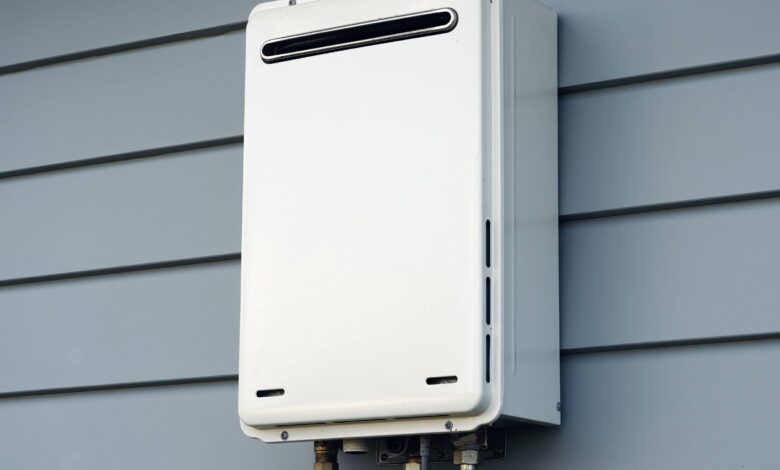
Unlike the big metal drums of the past that constantly heat water whether you need it or not, these sleek units heat water strictly on demand. This shift in technology means a shift in pricing structure, from the unit itself to the complexity of the installation.
Quick Cost Overview
|
Factor |
Estimated Price Range |
|---|---|
|
Unit Price (Electric) |
$400 – $800 |
|
Unit Price (Gas) |
$800 – $1,800 |
|
Labor & Installation |
$1,200 – $2,500 |
|
Permits & Materials |
$100 – $500 |
|
Total Project Cost |
$1,700 – $4,800+ |
Understanding the Initial Investment
Breaking Down Unit Prices
When you ask how much is a tankless water heater, the answer depends heavily on the fuel source. Electric models are generally cheaper to purchase upfront. You can often find a reliable point-of-use electric unit for under $500. However, these small units might struggle to support a whole family showering simultaneously.
Gas models, on the other hand, command a premium. A high-efficiency gas unit capable of handling a whole home tankless water heater demand typically starts around $1,000 and goes up from there. The internal components of gas units are more complex, requiring robust heat exchangers and advanced venting capabilities, which drives up the manufacturing cost significantly.
Analyzing Installation Charges
The average cost of a tankless water heater installation is where most homeowners get sticker shock. It isn’t as simple as swapping one box for another. Plumbers often need to reconfigure piping, upgrade gas lines, or install new electrical circuits.
Labor rates vary by region, but expect to pay skilled technicians between $45 and $150 per hour. If your home requires significant retrofitting—like moving the heater from a garage to an interior closet or upgrading your main gas meter—labor costs can easily exceed the cost of the unit itself.
Electric vs. Gas: Price Comparisons
Electric Tankless Systems
An electric on demand water heater is often the most budget-friendly entry point. These units don’t require complex venting systems since they don’t burn fuel. This simplicity saves money on materials like stainless steel venting pipes.
However, the hidden cost often lies in your electrical panel. These heaters draw massive amounts of power. You might need to upgrade your home’s electrical service to 200 amps or add multiple dedicated breakers. This electrical work can add $500 to $1,500 to the final bill, offsetting the savings on the unit itself.
Gas Tankless Systems
While the tankless hot water heater cost is higher for gas models, they are often preferred for larger homes. They heat water faster and more efficiently than electric counterparts. The operational costs are generally lower in areas where natural gas is cheaper than electricity.
Installation for gas units is tricky. You absolutely need proper venting to expel exhaust gases safely outside. If you are switching from a standard tank to a tankless gas unit, your existing gas line might be too small. Upgrading a gas line is a specialized task that adds hundreds of dollars to the project but ensures your new appliance functions safely.
Factors Influencing Total Pricing
Capacity and Flow Rate
Flow rate, measured in Gallons Per Minute (GPM), dictates what does a tankless water heater cost at the retail level. A small unit providing 2-3 GPM might suffice for a single bathroom apartment. These are affordable and compact.
Conversely, a large family home with three bathrooms needs a unit delivering 8-10 GPM to ensure someone can shower while the dishwasher runs. High-GPM units require larger burners or heating elements, pushing the price bracket significantly higher. You pay for the convenience of running multiple fixtures at once.
Brand Reputation and Warranty
Not all heaters are created equal. Premium brands offering 15-year warranties on heat exchangers will naturally cost more than generic brands with 5-year guarantees. Investing in a reputable brand often pays off by reducing maintenance headaches down the road.
Brands like Rinnai, Navien, and Rheem have established service networks. This means if something breaks, parts are available and plumbers know how to fix them. Cheaper, obscure brands might save you money initially, but finding a technician to service a “mystery brand” flash heater can be nearly impossible and costly later on.
Installation Complexity and Labor
Retrofitting vs. New Construction
Installing a tankless water heater in a new home is relatively straightforward. Pipes and vents are placed correctly before the walls are closed up. This scenario represents the lower end of installation pricing because access is easy and no demolition is required.
Retrofitting an existing home is a different beast. Technicians may need to cut into drywall, reroute water lines, or drill through masonry for venting. This extra labor and repair work drives up the cost of tankless water heater with installation. If your old water heater was in a difficult spot, like an attic, expect labor charges to reflect that difficulty.
Permit and Inspection Fees
Never overlook the bureaucratic costs. Most municipalities require a plumbing permit for water heater replacement. This ensures the work meets safety codes, especially regarding gas lines and carbon monoxide venting.
Permit fees usually range from $50 to $200 depending on your city. While it might be tempting to skip this step to save money, unpermitted work can cause issues when you eventually sell your home. It can also void manufacturer warranties, making it a risky financial shortcut.
Additional Costs to Consider
Venting Requirements
Standard tank heaters often vent through a chimney. High-efficiency tankless units usually require dedicated PVC or stainless steel venting that goes out the side of the house. This is a critical safety feature.
The materials for this venting are not cheap. If the vent run is long or requires multiple elbows to reach the exterior, material costs add up quickly. A complex venting job can add $200 to $600 to the total cost of tankless water heater projects.
Water Softeners and Descalers
Tankless units are sensitive to hard water. Mineral buildup (scale) can destroy the heat exchanger, which is the heart of the system. If you live in an area with hard water, installers will strongly recommend a water softener or a descaling filter.
Adding a treatment system protects your investment but increases the upfront price. A dedicated scale inhibitor system costs between $100 and $300. Ignoring this can lead to premature failure, making the tankless water heater replacement cost a reality much sooner than you’d like.
Operating Costs and Savings
Monthly Energy Bills
One of the main arguments for swallowing the high tankless water heater cost is lower utility bills. Because these units don’t store hot water, they don’t suffer from standby heat loss. You aren’t paying to keep 50 gallons of water hot while you sleep or work.
According to the Department of Energy, tankless units can be 24% to 34% more efficient than conventional storage tank water heaters for homes that use 41 gallons or less of hot water daily. This efficiency translates to savings of roughly $100 per year for the average household, slowly recouping the installation difference.
Maintenance Expenses
Tankless heaters are not “set it and forget it” appliances. They require annual maintenance, specifically flushing the system with vinegar to remove mineral buildup. You can do this yourself for the cost of a bucket and a small pump.
However, if you hire a pro, expect to pay $150 to $200 annually for a service call. While this adds to the operating cost, it extends the lifespan of the unit significantly—often to 20 years or more, compared to the 10-12 year lifespan of a tank heater.
Return on Investment (ROI)
Long-Term Value
Calculating ROI requires looking beyond just the purchase receipt. A tankless heater adds value to your home. It frees up floor space—a closet that once held a giant tank can now be storage. This space efficiency is a subtle but real financial benefit.
Furthermore, the longevity of the unit improves ROI. If a tankless unit lasts 20 years and a tank unit lasts 10, you would have to buy and install two tank units in the lifespan of one tankless. When viewed over two decades, the math often favors the tankless option despite the higher initial outlay.
Rebates and Incentives
Government and utility rebates can significantly lower the effective how much does a tankless water heater cost. Many energy companies offer rebates for installing high-efficiency gas appliances. These can range from $100 to over $1,000 depending on your location and the unit’s efficiency rating.
Federal tax credits are also periodically available for energy-efficient home improvements. Checking the Energy Star website or consulting your tax professional before buying can reveal savings that make the premium price tag much easier to digest.
Cost Comparison Table
|
Expense Category |
Traditional Tank Heater |
Tankless Water Heater |
|---|---|---|
|
Unit Cost |
$400 – $900 |
$500 – $2,000 |
|
Installation Labor |
$300 – $600 |
$1,200 – $2,500 |
|
Venting/Materials |
$50 – $150 |
$200 – $600 |
|
Maintenance (Annual) |
$0 – $100 |
$0 – $200 |
|
Lifespan |
10 – 12 Years |
20+ Years |
|
Energy Savings |
Baseline |
20% – 30% Savings |
Making the Final Decision
When Tankless Makes Sense
If you plan to stay in your home for more than five years, the investment makes financial sense. The energy savings and longevity will eventually pay for the difference. It is also ideal for large families where running out of hot water is a constant morning struggle.
Small homes or condos with limited space also benefit greatly. Removing a bulky tank can open up valuable square footage, which is a premium asset in smaller properties. The convenience and space saving justify the initial expense for many urban homeowners.
When to Stick with a Tank
If your budget is tight and you need an immediate replacement, the high tankless water heater cost might be prohibitive. A traditional tank is a quick, affordable fix. Also, if your home’s gas and electric infrastructure is old and requires thousands of dollars in upgrades to support tankless, the ROI might never materialize.
Sometimes, the simplest solution is the best. If your current system works well and your utility bills are manageable, the disruption and cost of switching systems might not yield enough benefit to be worth the hassle.
Conclusion
Upgrading to a tankless system is a significant financial commitment that goes beyond just buying a box at the hardware store. While the initial tankless water heater cost is undeniably higher—often double or triple that of a standard tank—the benefits of endless hot water, space savings, and lower monthly bills are powerful motivators.
By understanding the full scope of the project, including installation complexities, venting needs, and potential electrical upgrades, you can make an informed choice. Whether you choose the efficiency of a gas unit or the simplicity of an electric model, moving to on-demand hot water is an investment in your home’s future comfort and value.
Frequently Asked Questions (FAQs)
1. How much does it cost to run a tankless water heater per month?
Operating costs vary by local utility rates, but generally, tankless heaters cost less to run than tank models. An average household might spend between $15 and $25 per month on gas or electricity for water heating with a tankless unit, compared to $30-$40 for a traditional tank.
2. Is the installation cost tax-deductible?
The installation cost itself is usually not tax-deductible as a standard deduction. However, if the unit meets specific energy efficiency standards (Energy Star certified), you may qualify for federal tax credits or local utility rebates that effectively reduce your tax burden or give cash back.
3. Can I install a tankless water heater myself to save money?
Technically yes, but it is highly discouraged. The installation involves dangerous elements like high-voltage electricity or explosive natural gas. Improper venting can lead to carbon monoxide poisoning. Most manufacturers will also void the warranty if the unit is not installed by a licensed professional.
4. How long does it take for a tankless water heater to pay for itself?
The payback period typically ranges from 12 to 20 years depending on your water usage and local energy costs. While this seems long, remember that the unit also lasts roughly 20 years, meaning you break even and then enjoy savings, whereas a tank heater would need replacement halfway through that period.
5. Do tankless water heaters increase home value?
Yes, they are generally seen as a desirable upgrade by homebuyers. They signal a modern, energy-efficient home. While you might not recoup dollar-for-dollar the entire installation cost upon sale, it can be a strong selling point that differentiates your home from others on the market.