A wrought iron fence exudes classic charm and security. In fact, experts note that “few elements make as dramatic an impact as a well-chosen wrought iron fence,” blending protection with elegant style. When designing your home’s boundary, consider how a fence wroughti design can elevate curb appeal while offering lasting durability. In this comprehensive guide, you’ll learn what “fence wroughti” really means, why these fences remain popular, and how they compare to other fencing materials. We’ll explore traditional and modern iron fence designs, practical installation tips, and front yard wrought iron fence ideas to inspire your project. By the end, you’ll see why a wrought-style fence is a top choice for many homeowners.
| Feature | Wrought Iron Fence |
|---|---|
| Material | Pure iron (<0.1% carbon) or steel alloy |
| Appearance | Ornate, with scrolls, finials and decorative panels |
| Durability | Extremely durable (50–100+ years with upkeep) |
| Maintenance | Low (occasional painting/rust treatment) |
| Cost | Higher (installed ~$50–80 per foot) |
| Common Uses | Fences, gates, railings, balconies, and decorative accents |
Wrought Iron Fence Basics and Materials
What Is a Wrought Iron Fence?
A “wrought iron fence” traditionally meant a fence made of hand-forged iron. Modern ornamental fences use mild steel instead, but the name stuck. True wrought iron is nearly pure iron (less than 0.1% carbon) and was valued for its malleability. This low-carbon iron could be hammered, bent, and welded into intricate shapes. Historically, people used wrought iron for tools, weapons, and elegant architectural details.
Today, most so-called wrought fences are actually steel. Manufacturers use steel pickets and rails for strength, often accenting them with cast-iron tips and finials for an authentic look. As one expert explains, “old world wrought iron” is rarely available, so modern fences mix steel and cast iron. The steel provides a sturdy frame, while real iron pieces add decorative detail. This fusion gives you the best of both: the beauty of classic design with the practicality of steel.
Rod Iron vs. Wrought Iron
You might hear the terms rod iron fence and wrought iron fence used interchangeably. In many catalogs, “iron rod fences” are simply the same ornamental steel fences with rod-shaped pickets. According to fencing professionals, these rod-iron fences (aka wrought-style fences) are popular because they are low-maintenance and durable. In short, whether someone calls it wrought or rod iron, they typically mean a metal fence in the traditional style.
In practice, focus on the design: welded steel panels or pickets, decorative tops, and the quality of finish. Both wrought and rod iron fences can feature intricate wrought iron fence panels – pre-made sections of decorative metal that bolt together on site. As one source notes, panel fences “consist of large panels of iron rods that are welded together,” offering high security and easy installation. These panels often include scrolls, spear points, or other motifs to mimic classic wrought iron craftsmanship.
Defining Wrought Iron Material
You may wonder, what exactly is “wrought” iron? The word “wrought” comes from the past tense of “work,” reflecting that it was hand-worked by blacksmiths. Real wrought iron is about 99.9% iron with tiny slag inclusions. Its low carbon content makes it softer and bendable. This made it ideal for forging into gates and railings with complex curves. Modern steel fences, by contrast, usually have a bit more carbon. The result is still very sturdy, but you’ll often hear the phrase “wrought iron style” as a shorthand for any decorative iron-like fence.
History of Wrought Iron Fences
Ancient Origins
Ironworking has ancient roots. Around 1500 BCE, the Hittites discovered how to smelt iron from ore. By 500 BCE and into the Iron Age, many civilizations were forging iron tools, weapons, and eventually architectural features. Early fences were likely simple bars or chains, but as blacksmithing advanced, so did decorative ironwork. By the early Common Era, cultures were using wrought iron in railings, doors, and small fence segments.
Victorian to Modern
Wrought iron fencing really blossomed in the 18th and 19th centuries. Wealthy estates and cityscapes used ornate ironwork to display craftsmanship and status. For instance, between 1887 and 1889, the Eiffel Tower was built in Paris, showcasing the “fantastic metalworking” possible with iron. The look was so admired that elaborate iron gates and balconies became symbols of elegance worldwide.
In the Victorian era, fence panels with intricate scrolls and fleur-de-lis finials became common, especially around gardens and grand homes. Even today, many historic neighborhoods preserve these classic iron fences for their beauty and heritage.
The Steel Takeover
By the 20th century, true wrought iron grew rare. Steel became the material of choice because it’s easier to manufacture. Industrial methods now produce steel fencing that duplicates the ornate patterns once only possible by hand. For example, modern finials (the pointed tops) are often steel or cast iron caps welded onto steel pickets. Technically it’s steel, but the end result looks like the old wrought iron style.
As one expert puts it, “calling an ornamental metal fence ‘wrought’ is factually incorrect” today, yet the term persists. In practical terms, a homeowner gets a fence that looks like old wrought iron but with modern steel’s strength and cost-effectiveness.
Design Styles: Traditional and Modern
Classic Ornamental Designs
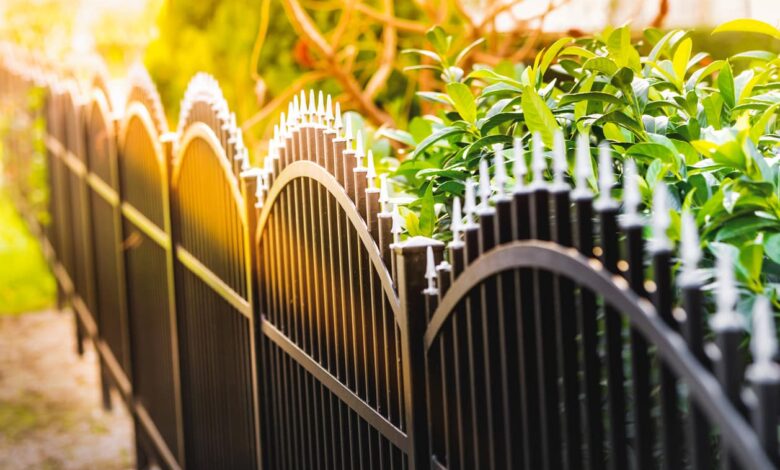
One reason wrought iron fences never go out of style is their elegance. Victorian or classical styles feature ornate scrollwork, spear-top finials, and decorative panels. These designs add an old-world charm to any property. For example, Victorian-style fences often include floral or geometric motifs in the metalwork, creating a stunning focal point. This works well with traditional homes (colonial, farmhouse, etc.) where the ironwork feels like part of the architecture. High fence sections might give privacy or grandeur, while lower versions border gardens without blocking the view.
Adding color or contrast can elevate the look. Black is classic, but some homes use dark green or copper tones to blend with landscaping, or even white for a cottage feel. This shows that wrought fences are not just about black metal – they can be painted for effect.
Modern and Minimalist Designs
Contemporary tastes have led to sleeker iron fence styles. Modern iron fence designs focus on clean lines and simple geometry. Imagine a fence of evenly spaced vertical bars with a flat top, or horizontal rails between posts, rather than elaborate curls. These minimalist designs suit modern homes well. They often use black powder-coated steel for a crisp look.
For example, some homeowners choose simple iron fence designs with rectangular panels or subtle horizontal accents. These maintain security and visibility without visual clutter. In urban lofts or mid-century homes, this restraint is popular: the fence acts more like a border accent than a decorative statement. (You can see many inspiring iron fence designs photos online showing these trends.)
Blending Styles: Panel and Picket Fences
Beyond materials, fences come in different formats. A common style is the panel fence: large welded sections assembled on site. Panels of iron rods, often 6–8 feet wide, are set between posts. This approach speeds up installation and ensures uniform design. Panel fences can vary – some have arched tops, others straight. Because they are prefabricated, the patterns repeat seamlessly.
Another familiar look is the picket fence, but done in metal. A metal picket fence uses vertical rods (like skinny iron tubes) set in rails. These can be ornate or plain. Regardless, both panel and picket metal fences preserve the hallmarks of wrought style: vertical emphasis and decorative tops. According to one fencing guide, all these types of iron wrought fences (panel, picket, rail) “can be customized to suit your needs” while offering security and style.
Front Yard Wrought Iron Fence Ideas
Your front yard is prime real estate for a wrought fence. It sets the tone for your property. For example, installing a low decorative border (2–3 ft high) along flower beds frames gardens nicely without closing off your yard. Or choose an ornate gate as a grand entrance – some homeowners add monograms, house numbers, or custom scrolls on the gate panels for personality. Lighting is another idea: solar post-cap lights or spotlights can highlight your wrought iron fence panels at night, casting beautiful shadows in your landscape.
If you prefer modern flair, one trend is to mix materials. For instance, integrating stone or brick columns with iron sections creates a striking contrast. You might see a short brick pillar, then wrought panel, then brick, continuing around the yard. The stone adds solidity and color, while the iron keeps it airy. These mixed material combinations let you incorporate personal style – for example, tying the fence into an existing stone facade or wood accents. Overall, the key is choosing a pattern and scale that complements your home’s architecture.
Advantages of Wrought Iron Fences
A wrought iron fence offers several compelling benefits compared to other options. Consider this quick overview:
- Durability: Wrought iron (and heavy steel fences) are extremely strong. A well-made panel can last 50–100+ years with proper care. The metal won’t warp or rot like wood, and with a good paint job, it can withstand decades of weather.
- Aesthetic Appeal: These fences provide an elegant, timeless look. The classic black metal with ornamental tops adds curb appeal and a stately edge to any home. Browsing iron fence designs photos shows how they can transform plain facades.
- Security: A sturdy iron fence is hard to climb or cut through. Pointed finials (spear tops) act as a deterrent. In fact, panel fences of solid welded rods give a high level of security while still allowing visibility.
- Low Maintenance: Compared to wood fences, metal ones require less upkeep. An iron fence typically needs only a fresh coat of paint or rust inhibitor every few years. Many homeowners simply wipe or brush off dirt and touch up paint as needed.
- Property Value: Because of durability and style, a good wrought iron fence can increase your home’s value. Buyers often appreciate a durable fence that also looks attractive.
Installation and Maintenance
Installation Steps for Wrought Iron Fences
Installing an iron-style fence involves careful planning. Here’s a high-level process (hiring a pro is often recommended):
- Plan and Permit: First, confirm property lines and local regulations. Fence height limits and permits vary by area.
- Buy Materials: Purchase your fence system – posts, horizontal rails, and pre-made panels or pickets. Make sure you have enough panels for your line (panels are often sold in 6- to 8-foot sections).
- Mark Post Locations: Drive stakes or spray paint to indicate where each post will go, ensuring even spacing.
- Set the Posts: Dig holes for fence posts (typically 2–3 feet deep). Place each post in the hole, pour concrete for stability, and let it set. Alignment is crucial – use a level for vertical posts and string lines for uniform height.
- Attach Rails: Once posts are solid, attach horizontal rails (usually 2-3 per section). These rails slide or bolt into the posts and carry the panels or pickets.
- Install Panels/Pickets: Attach the wrought panels or individual pickets to the rails. This may involve screws, welding, or brackets depending on the system. Ensure each panel is level.
- Finishing Touches: Add end caps/finials to posts and tops. Apply a rust-resistant paint or finish as needed.
Maintenance Tips
Once your fence is up, routine care will keep it looking great. Iron and steel are prone to rust if bare. Here’s how to maintain longevity:
- Inspect Annually: Check for any rust spots, chipping paint, or bent pieces. Early detection is key.
- Rust Treatment: If you find rust, clean the spot with a wire brush. Apply a rust converter or primer to stop corrosion. Repaint the area with a metal exterior paint. Most fences need a full repaint every 3–5 years, depending on climate.
- Lubricate Hardware: Oil hinges, latches, and moving parts so they don’t seize.
- Clean: Wash the fence every year or two with soapy water to remove dirt. Overhanging trees or wet conditions may require more frequent checks.
- Avoid Damage: Trim any plants so they don’t grow into the fence or trap moisture. If an iron panel is bent or broken, repair or replace it promptly to prevent further stress on the structure.
Comparison with Other Fences
How does a wrought-style fence stack up against other common options?
- Wood vs. Iron: Wood fences (like cedar or pressure-treated) offer full privacy and a natural look, but they require frequent painting or sealing and are susceptible to rot and insects. Iron fences provide no privacy (wide spacing) but far outlast wood if maintained. In aesthetics, iron looks more “forever classic,” whereas wood can warp or age unevenly.
- Chain Link vs. Iron: Chain-link is cheap and low-maintenance but very utilitarian in appearance. A chain-link fence is basically galvanized steel mesh【9†L400-407】 – great for pets or security but not decorative. A wrought iron fence costs more but makes a statement. Chain-link doesn’t rust easily due to galvanization, whereas iron needs paint, but chain-link won’t add value like a nice wrought fence can.
- Aluminum vs. Iron: Aluminum fences mimic the look of wrought iron very well and never rust. They’re lightweight (3–8 lbs/ft) and easier to install. However, aluminum is more prone to bending and offers slightly less security (not as heavy-duty). Iron fences cost a bit more initially but are stronger and can achieve more intricate hand-forged detail. Still, aluminum is a popular alternative if rust is a big concern, especially in coastal areas.
- Vinyl/Composite vs. Iron: Vinyl and composite fences can look nice and require almost no maintenance. But they don’t have the same security – vinyl can crack under impact, and composite is mostly solid panels. Neither can match the detail of iron. Vinyl might be seen as cheaper in appearance, whereas iron adds an air of quality.
Creativity and Inspiration
Thinking creatively, a wrought iron fence need not be a simple linear boundary. Consider:
- Varying Heights: Instead of one uniform height, use taller sections where you need privacy and lower sections elsewhere. This creates visual interest while still defining spaces. For example, a corner lot might have a tall gate area and shorter fencing around a garden.
- Curves and Arches: Some fences incorporate gentle curves or arched tops. These curved sections soften the look and echo garden shapes. A curved top on a gate or fence panel can turn a standard fence into an artistic feature.
- Color Accents: While black is the most common finish, consider a bold twist. Dark green or bronze accents can make the fence blend with foliage, whereas white wrought iron looks fresh on a sunny day. Coordinating the fence color with house trim or landscaping flowers can make the entire yard pop.
- Lighting Features: Add solar or LED lighting. Mounted on posts or fence tops, lights highlight the fence’s patterns at night. A well-lit iron fence also improves security by eliminating dark areas.
- Gate Design: Your gate is often the focal point. A double iron gate with a grand arch or custom scrollwork can serve as a welcoming statement. Some designers recommend adding personal touches like house numbers in the metal or family insignia in a central panel.
- Landscaping Integration: Plant ivy or flowers around the base. Since wrought fences have gaps, climbing vines or trailing roses can weave through the bars for a romantic look. Just maintain them so they don’t trap moisture against the metal.
Conclusion
In conclusion, a fence wroughti (wrought iron style fence) offers an exceptional combination of strength, beauty, and value. Whether you lean classic or contemporary, these metal fences can be customized to your needs. They demand minimal upkeep compared to wood, and they convey a sense of permanence that last for generations. While the initial cost is higher, their durability (often 50+ years with care) makes them a savvy long-term investment.
Ultimately, if you want a fence that frames your home with elegance and security, wrought iron—or its modern steel counterpart—is a top pick. Remember to consider design inspiration (browse modern metal fence designs pictures and iron fence designs photos), and ask the right questions before buying. With proper installation and occasional maintenance, your wrought iron fence will continue to safeguard your property beautifully well into the future.