Tips Drhomey: Unique Perspective on Smarter Living

Every homeowner knows that even small issues can escalate quickly. Tips Drhomey offers a fresh perspective on smarter living. DrHomey treats your house like a partner, combining expert building knowledge with creative DIY solutions to keep your space comfortable, safe, and stylish. Instead of panicking at the first drip or flicker, these insights help you stay one step ahead—preventing problems, saving money, and making your home work for you. Think of tips drhomey as giving your house a personal assistant: it reminds you of chores, optimizes resources, and makes living more enjoyable.
| Attribute | Details |
|---|---|
| Website / Blog | DrHomey (Home improvement & design tips) |
| Founder/Author | John Mattox (DIY & property expert) |
| Founded | 2025 |
| Focus Areas | Maintenance, DIY projects, smart living |
| Mission | Making safe, stylish, and efficient homes |
The Hidden Layers of Home Maintenance
Often, the biggest threats to your home hide out of sight. DrHomey emphasizes preventative maintenance to catch these hidden problems early. For example:
-
Monthly Plumbing Check: Inspect under-sink pipes and exposed plumbing for moisture. Even a tiny drip wastes water and can signal a worn seal.
-
Electrical Safety: Test GFCI outlets and scan cords for frays or warm spots. These simple checks prevent shocks and fire hazards.
-
Filter & Vent Care: Change HVAC filters every 1–3 months and vacuum out air vents. Dust buildup silently undermines efficiency and air quality.
-
Preventative Diagnostics: Keep logs of when you replace parts (like breakers or filters). Tracking upkeep means your home “remembers” maintenance history and warns you of looming issues.
| Task | Frequency | Benefit |
|---|---|---|
| Inspect plumbing for leaks | Monthly | Prevent costly water damage |
| Test GFCI outlets | Monthly | Prevent electrical hazards |
| Change HVAC filters | 1–3 months | Maintain airflow and system efficiency |
| Clean dryer vents and gutters | Annual | Fire prevention and moisture control |
Table: Routine maintenance tasks to avoid big repairs.
Environmental Comfort Isn’t Just About Temperature
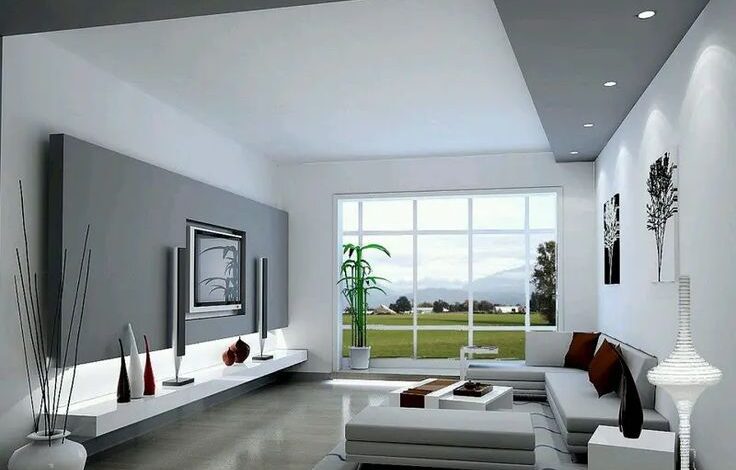
Sunlight and smart climate control make this living room feel consistently comfortable.
Your comfort depends on more than just a thermostat setting. Environmental comfort includes air quality, humidity, and light. DrHomey highlights practical tweaks:
-
Fresh Air & Ventilation: Change air filters and clean ducts regularly to ensure healthy airflow. Consider adding houseplants in bright spots – they naturally purify the air and add a touch of wellness.
-
Sunlight Optimization: Keep windows clean and use light curtains to maximize daylight. Sunlit rooms feel warmer and reduce lighting costs, brightening moods and saving energy.
-
Moisture & Insulation: Proper insulation (especially in attics) cuts heating/cooling costs. Use dehumidifiers in damp areas to prevent mold and maintain comfort.
-
Smart Climate Tech: Install a programmable thermostat or smart vents. They learn your schedule and keep rooms cozy when needed, but save power when you’re away.
Spatial Memory: Designing a Home That Thinks Like You
What if your home anticipated your needs? This Spatial Memory approach uses consistency and smart tech to make your house intuitive. For example, label shelves or use color-coded zones so that every item is always “where you left it.” Smart homes already tap into this idea: lights that turn on as you enter a room, or coffee machines that start brewing at your usual wake-up time. Over time, the home “learns” your routines and preempts them. DrHomey calls this a form of predictive home care, where checklists and smart devices catch issues before they start. In short, it’s like having a co-pilot: the more you interact with these systems, the more your home seems to know you.
Energy-awareness as a Daily Practice
Think about energy like money: small habits really add up. DrHomey’s energy-aware tips turn conservation into a routine:
-
Natural Light: Open blinds and position reading nooks near windows to soak in sunlight. Daylight not only uplifts mood but cuts down artificial lighting.
-
Smart Appliances: Choose ENERGY STAR models and use smart power strips to eliminate vampire power. Unplug chargers when not in use and run heavy appliances (dishwasher, laundry) on off-peak settings or during solar peak.
-
Off-peak Scheduling: Whenever possible, run your dishwasher or washing machine overnight or when electricity is cheapest. Some utilities even offer lower rates late at night – take advantage of that.
-
Insulation & Window Films: A bit of solar film on windows can reflect summer heat, and sealing drafts keeps warmth in during winter. In general, well-insulated and shaded homes need much less energy to stay comfortable.
Comfort Curation vs Aesthetic Overload
DrHomey warns against style over substance. Instead, think comfort first with these strategies:
-
Comfort-Focused Furnishings: Pick furniture and materials that feel cozy (like soft cushions and ergonomic chairs) as much as they look good.
-
Layered Lighting: Use bright task lighting in work areas and warm ambient lighting in lounge zones. Proper lighting instantly uplifts mood and function.
-
Smart Color Schemes: A neutral base with a single bold accent wall can make compact rooms feel airy.
-
Multipurpose Decor: Choose decorative items that double as storage or function (e.g. a stylish ottoman with hidden storage, or baskets for blankets).
Flexible Living Systems for Changing Lives
As life changes, your home should too. Think modularity and multi-functionality:
-
Convertible Furniture: Invest in fold-down desks or Murphy beds that reclaim space when not in use. A sofa that becomes a guest bed, or a table that expands – these adapt on demand.
-
Vertical Storage: Floating shelves, wall hooks, and tall cabinets use wall space, freeing up floor areas for movement and new uses.
-
Modular Layouts: Use sectionals or movable shelving to rezone a room. Today’s home office can be tomorrow’s yoga studio with a quick rearrange.
-
Zoned Lighting: Install task lights for work corners and dimmers for relaxation spaces. Adjusting light is an instant way to change a room’s purpose.
Original Mindset Shift: Viewing Your Home as a Co-Partner
DrHomey’s philosophy is all about treating your home like a helpful partner, not just a backdrop. This mindset shift means actively communicating with your space: keep logs of repairs, use apps to track maintenance, and install sensors that report issues. For example, a smart water sensor under the sink can text you about a slow leak, and energy meters can show which appliances draw the most power. Over time, you form a dialogue with your home — it “talks back” through data and alerts. Modern DrHomey tips indeed “bridge the gap” between old-school know-how and new technology: your home not only shelters you, but actively works alongside you.
Unseen Effort: Designing Systems that Clean Themselves
A truly smart home does some of the work for you. Unseen effort comes from clever design and automation:
-
Self-Cleaning Tech: Appliances like ovens and cooktops often have self-clean cycles that burn off grime.
-
Automated Tools: Robot vacuums or automatic pressure washers can tackle dirt on a schedule.
-
Smart Irrigation: Use moisture-sensing sprinklers to water plants only when they need it.
-
Low-Maintenance Materials: Choose stain-resistant flooring and mold-resistant paint, which stay cleaner longer with minimal effort.
-
Built-In Defenses: Gutter guards, dehumidifiers on auto-mode, and sensor alarms quietly protect your home without manual work.
Decluttering the Decision-Making, Not Just the Closet
Clutter isn’t just physical — too many choices exhaust your brain. DrHomey advocates decluttering both your space and your routines:
-
One-In/One-Out Rule: For every new item brought in, donate or discard an old one. This keeps closets from overflowing.
-
Consistent Zones: Give categories a “home.” Pots with pots, spices with spices, tools with tools – it’s a no-brainer, yet so effective.
-
Digital Clean-Up: Organize computer and phone files into clear folders. Decluttering your digital life saves time and stress.
-
Scheduled Decisions: Plan meals or automate bill payments. Using checklists for routine chores (like a weekly cleaning schedule) removes last-minute decisions and anxiety.
Micro-Zoning Tools: Maximising Utility in Spaces Not Best Used
Why waste even a corner? Micro-zoning means giving every nook a purpose:
-
Alcove & Nook Solutions: Turn small corners into cozy spots (e.g. a built-in desk in an alcove or a reading chair in a recessed bay).
-
Hooks & Hanging Storage: Use wall hooks, pegboards, or door racks to hold bags, coats, or tools. These reclaim dead space without cluttering floors.
-
Vertical Furniture: Slim bookshelves, ladder units, and tall cabinets use height under high ceilings. Even an unused stairwell wall can host shelves or art.
-
Collapsible Concepts: Retractable clotheslines, fold-down wall tables, or sliding panels that create or conceal space on demand.
Conclusion: Why DrHomey’s Tips Redefine More Than Homes
Above all, embracing tips drhomey is about shifting your mindset. These tips go beyond fixing leaks or trimming shrubs; they redefine how we relate to our home. By blending old-school maintenance with smart design (from decluttering strategies to predictive tech), you create a living space that works with you. Each piece of advice — whether a preventive check, an energy-smart habit, or a clever DIY hack — contributes to a lifestyle of efficiency and ease. In the end, following these tips drhomey means you’re not just renovating a house — you’re building a resilient, responsive partner. And as DrHomey reminds us, “a stitch in time saves nine”.