Adding ideas home accessories can refresh your space without the hassle of a full renovation. One design expert points out that swapping in a styled tray, a sculptural vase, or a smart lamp can shift the mood of a room in a single afternoon. And this change isn’t small. The global home decor market reached nearly $748 billion in 2024, while more than half of homeowners worked on decorating projects last year.
What does that tell us? Great home decor ideas often come down to the right accessories—the pillows, plants, and accent pieces that bring a room to life. In this guide, you’ll explore unique home decor ideas along with practical ways to choose the perfect pieces. From bold home design ideas to budget-friendly DIY projects, you’ll find home inspiration that matches your personal style.
| Trend / Focus | Key Idea |
|---|---|
| Bold Colors & Patterns | Use vibrant accent pieces (throw pillows, art, vases) in jewel or earthy tones. |
| Natural Textures | Incorporate plants, wood, stone, and clay for warmth and organic contrast. |
| Maximalist Layers | Embrace the “more is more” approach with layered rugs, patterned walls, and mixed textiles. |
| Personalized Pieces | Add one-of-a-kind items (vintage finds or art) that tell your story. |
| Functional Decor | Choose multipurpose accessories (mirrors, lamps, trays) that look good and work hard. |
Bold colors & patterns: vibrant accent pieces and unique decor ideas
Rich colors and eye-catching patterns are a tried-and-true way to make accessories pop. This year’s home decor ideas include rich chocolate browns, olive greens, and deep rust hues – a shift away from the cool grays of recent years. In fact, designers predict a “Brown Renaissance”: surveys show over 90% of experts foresee browns and neutrals as the color of choice in 2024. So try swapping a neutral pillow for a bold terracotta throw pillow, or hang a large, colorful painting above your sofa. Geometric or floral prints on area rugs and cushions are in vogue too. Mixing patterns (stripes with florals, for example) gives a curated, “collected” feel. Just balance one busy pattern with solid colors to avoid sensory overload.
Rich earthy hues and maximal patterns
Designers say 2024 is about “more-is-more” decorating. Think of your accessories as layers: a patterned rug on the floor, a textured throw on the couch, a gallery wall of art overhead. Colorwise, mustard yellows, deep blues and emeralds layered with neutral stone or wood tones feel both cozy and modern. For example, an emerald throw blanket and ochre sofa cushion against a gray couch instantly energize a room. You can even paint one accent wall in a deep hue and echo that color in a lamp or vase. Bold patterns—like a leafy wallpaper, graphic pillow or printed pouf—also add character. The trick is variety: if your rug has a busy pattern, choose pillows in solid complementary shades (or vice versa).
Layered textures and maximalist decor
The maximalist trend means piling on texture and art everywhere. Layer a shaggy rug under a sleek coffee table, drape knitted throws over chairs, and fill shelves with objects of varying shapes and sizes. Mix materials: velvet cushions, woven baskets, glossy ceramics, and metallic frames all in the same room. Even a simple wallshelf of books can become home inspiration if you add a few curios or candles. Designers call this home decor inspiration “cluttercore” in a good way – it shows off your personality. Finally, don’t forget one signature piece. A large patterned tapestry, a bold wall mirror, or a unique sculptural lamp can anchor the whole style. These standout accessories set the tone and tie together all the layers.
Natural elements & eco-friendly accessories
Bringing the outside in is a foolproof home design idea. Plants, wood, stone and botanical motifs inject life and warmth. Place a tall potted plant or fiddle-leaf fig in an empty corner, or line shelves with small succulents in terracotta pots. Wood and wicker baskets, a live-edge coffee table or marble side table all work as accessories that feel organic. Even simple green stems in a vase (or a dried palm leaf in a clay jug) become elegant decor. Nature-inspired accents like woven jute rugs or leaf-shaped pillows add instant coziness. On the sustainability front, look for accessories made from recycled or natural materials. Some designers suggest seaweed fiber lamps and mycelium décor will emerge as eco-friendly choices. These unique home decor ideas show personality while being gentle on the planet.
Greenery and wood textures
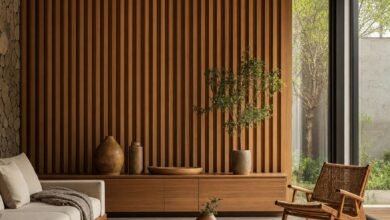
Green plants are accessories in their own right. A glossy fern on a console or a cluster of snake plants by the window not only purify air but also add a pop of living color. Mix and match planters (ceramic, concrete, or woven) for visual interest. Wood also ties it together: place a wood tray or wooden-frame mirror on a white wall for contrast. For example, a wooden bowl or rustic stool can serve as side tables, grounding the space in an earthy palette. Home inspiration often starts with one big plant or wooden element, then you accentuate it. In one room, a marble or wooden accent table can showcase a simple white vase with green branches – elegant and minimal【32†】. This kind of calming, nature-infused decor fits the growing desire for a “liveable organic” style.
Innovative eco-friendly materials
Beyond plants, accessories themselves are going green. Ceramic and clay are classics (think your grandma’s pottery vase) that feel handmade and tactile. Newer options include sustainably sourced wicker, glass infused with recycled materials, or even pieces made from fast-growing woods. Some high-end designers are even experimenting with mycelium (mushroom-based) lamp shades and banana fiber throws. The key is to focus on touch-me textures – cushions, blankets and rugs that feel inviting to the touch. For instance, a thick boucle pillow or a woven wool throw adds an organic, comforting layer. These items not only look great but also invite you to curl up or relax, so they truly merge form and function.
DIY & thrifty home accessory projects
You don’t have to break the bank for style. In fact, home decor ideas often come from DIY projects and thrifted finds. One blogger’s experience: she went wild thrifting kitschy food-inspired decor (tomato rugs, strawberry salt shakers) which became fun conversation pieces. You could repurpose an old ladder as towel rack, spray-paint a vintage frame gold, or create macramé plant hangers. Even a fresh coat of chalk paint can revive a tired vase or lamp base. The goal is a curated look, not clutter – so choose thrifted items that fit your palette and style. Score a retro rug at a flea market or a quirky ceramic pitcher at a yard sale, and integrate it into your room’s color story. Thrift stores also yield classic accessories (linen throws, wicker baskets, wooden bowls) that look expensive at a fraction of the cost.
Upcycling & personalized pieces
One DIY trend is turning everyday items into accessories: glass jars become candle holders with paint or sand, old books become hidden storage boxes, or picture frames are glued together to make unique shelves. A quick weekend project can yield custom candle blends or printed art from travel photos. Since everyone’s home is different, incorporating home inspiration from your own experiences (a map of a favorite city, family photos in stylish frames, heirloom quilts draped on a chair) makes your decor truly yours. For example, use mismatched plates as wall art, or tie ribbons on glass bottles for bouquet vases. Even simple glass vases or terrariums can be customized with paint stripes or ribbons. These activities are creative and cost-effective, while resulting pieces are uniquely you.
Thrift-store treasures & budget tips
Letting your curiosity guide you through antique shops or Etsy can unearth gems. Things often cheap now (rattan lamps, ornate mirrors) become chic again in a year. When shopping secondhand, focus on quality materials – genuine wood or handwoven fabrics can last decades. Once at home, arrange your finds thoughtfully: group small objects (pottery, figurines, books) on a shelf with similar colors or themes. For instance, a single bold artifact in a sea of white or wood accents will stand out beautifully. Remember that simplicity and editing are key; fewer, well-chosen pieces look more elegant than many random ones.
-
Scale matters. A giant floor cushion in front of the sofa or an extra-large floor mirror can become focal accessories in a minimal space.
-
Texture matters. Layering smooth (glass, metal) with rough (jute, wicker) and plush (velvet, wool) home design ideas ensures the eye moves around the room.
-
Color pops matter. Even in a neutral room, a single red pillow or blue vase draws the eye – use it for the accent color you love.
Styling accessories by room
Living room & lounge areas
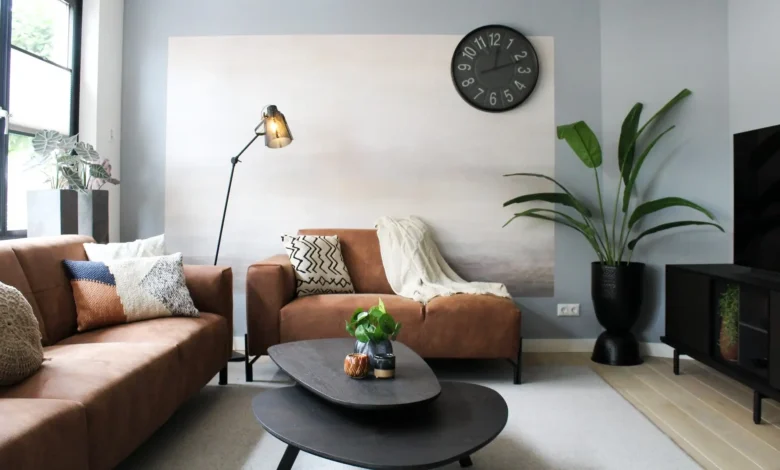
The living room is where accessories shine. Home inspiration here might mean toss pillows, an area rug, or a mantel gallery. Place a pair of patterned pillows on your sofa, and maybe a solid-color throw to tie them together. Coffee tables love decor – think a pretty tray with a vase of flowers, a stack of two or three design books, and a small candle. That instantly looks styled and invites people to linger. Use side tables for sculptural lamps or small plants. If you have a fireplace, the mantel is prime real estate: arrange candles, framed art or mirrors of different heights for interest. Plants are great here too – a tall fiddle-leaf fig beside a couch, or a potted orchid on a console, brings life to seating areas.
Bedroom & cozy nooks
In the bedroom, accessories make the space feel personal and cozy. Layer your bed with textured bedding and pillows in complementary colors. A fluffy throw blanket at the foot of the bed is both functional and decorative. Nightstands or dressers can hold decorative lamps, books or a small dish for jewelry. Don’t forget wall decor: framed photos or art prints above the headboard can become the room’s signature look. Even a well-chosen mirror not only amplifies light but acts as art. If you have an empty corner, consider a plant or a stylish floor lamp. The idea is comfort mixed with personality – maybe a board with inspirational quotes or a DIY macramé hanging to give that lived-in charm.
Kitchen, dining & entryway
Kitchens and dining rooms are often overlooked but have lots of styling potential. Think of your kitchen table as a display: a bowl of fruit, a vase of fresh herbs, or a collection of cookbooks. Open shelves can hold decorative plates or glassware turned on their side for pattern. Even small items like decorative soap dispensers, pretty utensil holders or a ceramic salt cellar become part of the decor. In an entryway or hallway, console tables or wall niches can showcase a catch-all bowl, a lamp, or a gallery of key photographs. A mirror near the door (perhaps an ornate round one) adds light and feels welcoming. By weaving home decor ideas into every room, you create a cohesive vibe.
Choosing materials & textures
Soft furnishings: rugs, pillows & blankets
Accessories often mean textiles. Soft elements like area rugs, floor poufs or throw blankets instantly warm up a space. Choose a natural-fiber rug (jute, wool) with a subtle pattern or texture underfoot. Home decor style is trending toward touchable fabrics: bouclé, velvet and knit throws invite you to snuggle. Pillows are versatile: mix a couple of patterned or fringed pillows with solid ones on a chair or sofa. In fact, designers say this season’s trendy pillows are “multicolored or in a rich hue” rather than plain white. Even the bed can be dressed up with layered quilts and pillows. These textiles break up hard surfaces and keep the eye engaged.
Hard surfaces: glass, ceramic, metal
On the “hard” side, decorative vases, bowls and trays are staples. Glass vases with fresh flowers or decorative branches catch the light. A collection of ceramic vessels in various shapes (like [32] shows) can make a simple corner look curated. Metals (brass candlesticks, silver photo frames) add gleam — just don’t use only one metal throughout, mix warm (brass, gold) and cool (nickel, bronze) for depth. For example, a marble-top side table (as in the vase image) holds ceramics and art above. Books are also great accessories: a stack of coffee-table books can serve as a mini display stand for a plant or sculpture. Remember to leave some breathing room on surfaces; empty space around accessories helps each piece stand out.
Decorative lighting & statement pieces
Lamps & lighting accents
Lighting itself is an accessory. A striking table or floor lamp can anchor a room’s decor. For instance, an arc floor lamp over a sofa or a sculptural ceramic lamp on a console adds shape and function. Cluster candles in varying heights on a tray for ambiance. String lights or lanterns in a corner corner can introduce a cozy glow. Mirrors are particularly useful: a large decorative mirror over a mantel or behind a bar both reflects light and serves as art. Even functional pieces like a decorative clock or stylish curtain tiebacks count. Choose a wall sconce with an interesting silhouette or a chandelier that matches your theme — these elevate the decor while lighting the space.
Art, mirrors & wall decor
Never underestimate wall space! Gallery walls of framed photos or prints let you display personality. If you’re not into pictures, large tapestry or woven wall art can be the focal point above a sofa or bed. Mirrors of unusual shape (sunburst, arched, geometric) brighten a room and look chic. Floating shelves filled with plants, books and small vases create a mini-vignette. Even a statement rug on the wall (like a Persian or kilim rug) can become art in a pinch. The rule: treat your walls as you would furniture. A single, well-chosen painting or three small frames in a row adds interest to an empty wall.
Fresh vs. timeless: balancing trends and classics
It’s exciting to try new styles, but you don’t need to overhaul everything each season. Think of trends (like home decor ideas you love now) as accent layers on a base of timeless items. For instance, a neutral sofa and wooden coffee table can last years, while swapping in a trendy pouf or pillow refreshes the look cheaply. Keep an eye on home inspiration from magazines or social media, but only adopt what truly fits your space. Seasonal touches (like a vase of seasonal flowers, or autumnal throws) can come and go, while staples (rugs, large mirrors, bed linens) remain. Update gradually: change the accessories one at a time. If a color scheme changes, you might keep your sofa and just replace pillows and art. This way, you stay stylish without feeling like your whole house is temporary.
Conclusion
Great home accessories are all about you. By mixing color, texture and a few statement pieces, you can transform any room into a warm, personal retreat. Whether you follow trends (like warm browns and sculptural accents) or DIY your finds, the key is thoughtful layering. Use some of the home design ideas above to guide you: start with a plan (maybe pick a color accent or theme), then build around it. Remember that even small items—a textured pillow, a vintage vase, a hanging tapestry—carry big impact. In the end, the best accessories reflect your style and make a house feel like home.