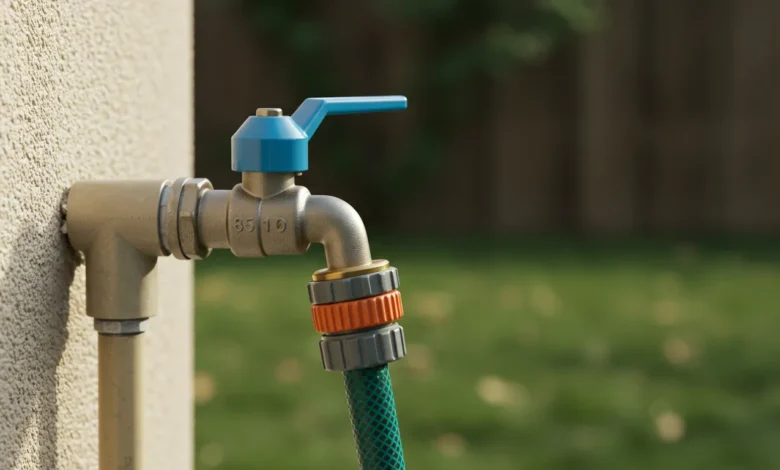
A water spigot is the outdoor faucet attached to your home that supplies water for garden hoses, sprinklers, and everyday yard tasks. You probably don’t think about it much, but when it starts leaking or freezes in winter, it can quickly turn into a costly headache. In American homes, we usually call indoor valves “faucets” while the outdoor ones are known as “spigots,” which helps keep things simple when talking about plumbing.
In this guide, you’ll discover what a water spigot really is, how to pronounce it correctly (spigot vs. spicket), and how it compares to a hose bib or an indoor faucet. You’ll also learn about the different types of outdoor water spigots, when replacement makes sense, and how to keep yours working smoothly. By the end, you’ll have a clear, practical understanding of this everyday outdoor fixture and feel ready to handle any backyard watering job with confidence.
| Attribute | Detail |
|---|---|
| Definition | An outdoor faucet on your home’s exterior that provides water for hoses, sprinklers, etc. (Also called a hose bibb or sillcock.) |
| Pronunciation | Spigot is pronounced /ˈspɪɡət/ (“spig-it”), though many say it like “spicket”. |
| Common Uses | Watering plants or lawns, washing cars and patios, filling pools or buckets. |
| Common Issues | Leaks or drips from worn washers/seals, cracked pipes in winter, or handles that don’t shut off. |
Water Spigot Basics
A water spigot (sometimes simply called a hose bib) is the metal valve on an exterior wall where you hook up a garden hose. It gives you easy access to your home’s water supply without running a hose through a window. For example, Quality Comfort explains that “a water spigot… is the outdoor faucet attached to your home that supplies water for things like garden hoses, sprinklers…” In practice, when people say “spigot” or “hose bib,” they almost always mean the same thing. In other regions, it might even just be called a “sillcock” or outdoor faucet. No matter the term, its job is the same: control water flow outside.
Most water spigots are pretty simple. You’ll usually find one or more on the outside walls of your house, often near the front, back or sides. A typical spigot has a handle that you turn to open or shut the valve, and a threaded nozzle where the hose attaches. Since it’s outside, it’s built sturdy (usually brass or stainless steel) to handle weather and garden use. But that also means spigots face more wear – extreme heat, freezing winter, and pressure swings – which is why leaks and cracks are common problems.
What is a water spigot?
Put simply, it’s an outdoor water outlet. According to Merriam-Webster, a spigot is “the plug of a faucet or cock”. In everyday terms, a spigot is just like a faucet except it lives outdoors. Vocabulary.com sums it up nicely: “If you leave a spigot open, the water will keep flowing… a device to turn water on and off”. In the U.S., we usually call the kitchen or bathroom fixture a faucet, and the garden valve a spigot. In other words, a water spigot is the outdoor version of the faucet you use inside. It uses a simple on/off valve – typically only cold water – so you can water the garden or hose off the patio without mixing hot and cold handles like an indoor sink does.
Water Spigot Pronunciation (Spigot vs. Spicket)
You’ll often see debate online about whether to say “spigot” or “spicket.” The correct spelling is spigot, pronounced /ˈspɪɡət/ (“SPIG-it”). Merriam-Webster gives two pronunciations: /ˈspi-gət/ and /ˈspi-kət/, noting the latter sounds like “spicket”. In fact, many people do say it as “spicket”, and some dictionaries even list that pronunciation as acceptable. But if you want to be safe, stick with “spigot.” In conversation, you might say “hose spigot”, but in writing, it’s best to use spigot. A linguist notes that “Spicket is very common in the Pittsburgh dialect, but it is clearly a corruption of ‘spigot.’” In short, spigot is the standard term (and the one plumbers will recognize); “spicket” is just a regional quirk.
Other Names: Spigot, Hose Bib, Sillcock
You may hear several terms for essentially the same fixture. Besides spigot, common names include hose bibb (or bib), sillcock, and outdoor faucet. All refer to the threaded valve you attach a hose to on an outside wall. Technically,a hose bibb is just a broader word people use for any outdoor faucet, whereas a spigot is the precise plumbing term for it. But practically speaking, homeowners use them interchangeably. So when someone asks if you have a hose bib, they mean your outdoor spigot – one and the same.
Spigot vs Faucet: Key Differences
At this point, you might wonder: what’s the real difference between a faucet and a spigot? The short answer is location and function. Both are valves that control water flow, but:
-
Location: Spigots live outdoors. You find them on exterior walls for garden use. Faucets are usually indoors – kitchen, bathroom, laundry sink, etc..
-
Controls: Faucets often have dual controls for hot and cold water. Spigots almost always control only cold water, since outdoor needs (watering the lawn) don’t require mixing hot water.
-
Size and design: Spigots tend to be smaller (typically ¾ inch nozzle) and very utilitarian. Indoor faucets come in many styles and sizes (from small bathroom taps to large kitchen faucets) for both utility and decor.
-
Use: Think of faucets as built for washing hands, dishes or filling tubs. Spigots are built for watering plants, washing cars, filling pools, and other outdoor chores.
| Feature | Spigot | Faucet |
|---|---|---|
| Location | Outdoors | Indoors (kitchen, bath) |
| Handles | Single valve (cold only) | Hot & cold mix controls |
| Size | ~¾ inch spout | 4–16 inches, many styles |
| Use Case | Watering the garden, outdoors | Washing dishes, etc. |
Spigot vs Hose Bib: What’s the Difference?
A hose bib (or hose bibb) is really just another name for a spigot. Both terms describe the same threaded outdoor faucet. Plumbing experts note there’s no practical difference: “‘Spigot’ and ‘hose bib’ are commonly used interchangeably,” and if someone says one, they mean the other. Technically, you can say spigot is the precise plumbing term for that outdoor outlet, while hose bibb is a more casual term. But like we said, practically they’re identical. In short: don’t worry whether you call it a spigot, spicket, or hose bib – it’s the same outdoor tap.
Types of Outdoor Water Spigots
Not all spigots are the same! Over the years, manufacturers have developed several designs to suit different climates and needs. Here are the most common types of outdoor water spigots you’ll encounter:
-
Standard Hose Bibb (Outdoor Spigot): This is the classic outdoor faucet with a simple turn-handle and a threaded nozzle. It’s affordable and straightforward to install. A standard spigot lets you hook up a hose and turn water on/off. The downside is no freeze protection: if temperatures drop, any water left inside can freeze and crack the pipe. (To avoid that, always disconnect hoses and drain it in winter.)
-
Frost-Proof (Freeze-Free) Spigot: Designed for cold climates, a frost-proof spigot has its shutoff valve set well inside the warm wall of your house. When you turn it off, the remaining water drains back, so there’s none to freeze. As NYDirect explains, “this clever design has a built-in shutoff valve inside the house… Even with a hose attached, the water within the faucet safely drains out, preventing burst pipes.”. These cost more but save you the trouble of frozen, bursting pipes.
-
Anti-Siphon Spigot: An anti-siphon (backflow-prevention) spigot looks much like a standard bib, but includes a one-way valve (vacuum breaker). This valve stops any used water (say, from a submerged hose end) from siphoning back into your clean supply. These are often required by code for safety around gardens or pool fills.
-
Ball-Valve Spigot: A ball-valve outdoor faucet uses a hollow ball inside that you turn 90° to open or close. Ball valves (often with a quarter-turn lever handle) are extremely durable and easy to operate. They work well in both hot and cold climates and for high-pressure needs. Gardeners like them because they last long under frequent use.
-
Yard Hydrant: For large properties, a yard hydrant is an underground version of a spigot. It’s installed into a deep hole on your lawn, with the valve buried below the frost line. When you lift its handle, it draws water directly from your home’s underground line. The great thing about yard hydrants is they never freeze (since the valve is deep underground). They’re perfect if you need multiple water stations far from the house, though installation is more involved.
Spigot Replacement and Parts
Like any plumbing fixture, a spigot won’t last forever. You might need to repair or replace it if it leaks, cracks, or just gets old. Common replacement parts include washers, O-rings, packing seals, or even the entire faucet body. Outdoor spigot repair kits (available at hardware stores) usually come with a stem, new washers, and screws to rebuild your valve. For example, if your spigot is dripping, chances are the internal washer or seal is worn out. Replacing that rubber washer often fixes a simple leak.
Some parts to keep an eye on:
-
Washer/O-ring: These rubber seals press against the valve seat to stop flow. Over time, they wear thin or get mineral buildup, causing drips.
-
Stem valve: The long metal piece that moves to open/close. If it’s corroded or kinked, you may need a new stem assembly.
-
Vacuum Breaker: Many spigots have a little one-way check valve. If it fails, it can drip or let contaminants backflow. Replacement kits for frost-proof spigots often include this.
-
Handle or Spout: Rarely, you might replace a broken handle or a cracked spout nipple.
Outdoor Spigot Replacement Parts
For outdoor spigot replacement, you’ll find kits at most home centers. They often call them hose bib repair kits. These kits include assorted rubber washers and gaskets in various sizes – you might pick the one that matches your model. The key hardware parts are usually brass: the stem and faucet body. New frost-proof spigots, for instance, come as a single assembly. If you’re just refreshing an existing spigot, a set of rubber seals (often red washers) and a new handle screw can go a long way. Just be sure to match the washer size to your valve (common outdoor valves use 5/8″ or 3/4″ washers). Quality Comfort reminds us that “leaks or drips [are] often from worn washers or seals”, so keeping spare washers is a good idea.
When to Replace Your Spigot
Replace or repair your spigot if you notice any of these signs:
-
Constant leaks or drips that don’t stop after tightening usually mean a failed washer.
-
Cracks or visible damage on the spigot body or handle (sometimes caused by freezing or impact).
-
A stiff or hard-to-turn handle indicates corrosion inside.
-
Corroded or rusted threads – hoses won’t seal properly.
-
Failure to turn off completely – if the handle spins but water still trickles, the valve seat is likely worn.
Installing and Repairing Your Spigot
If you’re up for a DIY fix, replacing a spigot isn’t too hard with the right tools. You’ll need a pipe wrench or adjustable wrench, Teflon tape, maybe a tubing cutter if you must cut pipe, and new solder if you’re dealing with copper. Here’s a quick outline:
-
Shut off Water: Locate the indoor shutoff valve that feeds that spigot and turn it off. Drain any remaining water by opening the spigot.
-
Remove Old Spigot: Use a wrench to unscrew the old spigot from the supply line. On modern houses this often involves unsoldering a copper pipe or unscrewing a threaded coupling.
-
Prepare the Pipe: If it’s a threaded pipe, clean the threads. For copper, clean and flux the end.
-
Attach New Spigot: Wrap the pipe threads with plumber’s tape (avoid tape on the first thread). Then screw on the new spigot fitting clockwise until hand-tight, and finish with a wrench. For solder connections, sweat the spigot on carefully with a torch, ensuring a watertight seal.
-
Test for Leaks: Turn the water back on slowly and check under pressure. Tighten or reseal if needed.
Maintenance and Troubleshooting
Keeping your spigot in shape is easy and prevents future hassles. A few simple steps each season can save a lot of trouble:
-
Prevent leaks: Check your spigot every spring. Tighten the handle if it wobbles, and replace any washers or O-rings at the first sign of a drip. A drip today wastes gallons over time.
-
Winterize: Before freezing weather arrives, disconnect hoses and drain all water from the spigot. Many homes have an indoor shutoff valve for outside faucets – if so, close it and then open the spigot to drain the line. Even frost-proof spigots need hoses removed, since ice can form in the hose itself.
-
Keep it clean: Occasionally scrub the outside with a damp cloth to remove dirt or mineral buildup. If your water is very hard, lime scale can stick around the threads; a vinegar soak or brush will clean it.
-
Test Function: Turn the spigot on/off a few times each season. If it feels stiff, add a little silicone-based lubricant to the stem threads (avoid petroleum-based products that can degrade rubber parts).
Conclusion
The humble water spigot may seem like a minor fixture, but it plays a big role in everyday life – from watering your garden to cleaning outdoors. Understanding what a water spigot is (an outdoor tap) and how it differs from indoor faucets will help you communicate clearly when maintaining or replacing it. We covered how “spigot” is pronounced and what to call it (it’s often just another name for a hose bib). You also learned about several types of outdoor spigots (standard, frost-proof, anti-siphon, etc.) so you can choose the right one for your needs. Remember to check your spigots regularly for leaks or frost damage, and replace washers or the whole fixture as needed. A bit of upkeep – disconnecting hoses in winter, draining, and tightening – will keep water flowing when you need it. With this guide, you have the knowledge to tackle your outdoor faucets confidently and keep your home’s water system working smoothly.