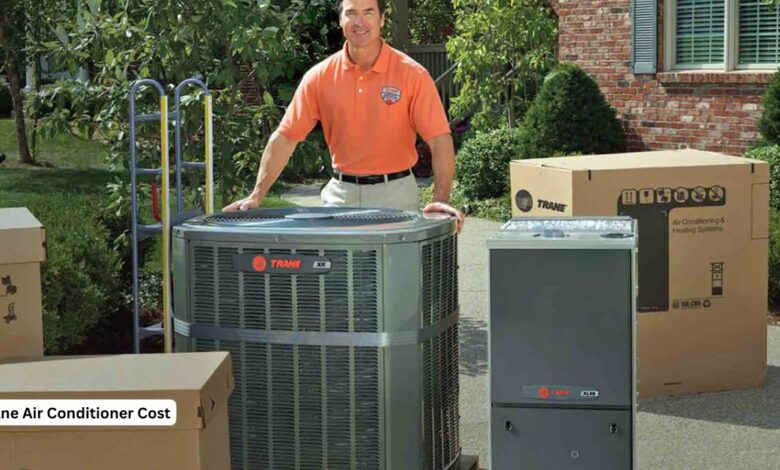
When you ask how much a Trane air conditioner costs, you’re tapping into one of the most common homeowner questions. Trane is a premium brand known for durable, efficient HVAC systems, so its units tend to be pricier than many competitors. That higher price often pays off in reliability and longevity – studies and contractors alike note that Trane units “last longer” and need “fewer repairs” than rivals. In this guide, we’ll break down everything you need to know about Trane air conditioner cost: from base unit prices to total installed costs, plus key factors that drive those numbers. You’ll also learn about brand value (spoiler: Trane is a good brand), the famous “$5000 rule” for deciding repair vs replacement, and tips on rebates and financing to make your new AC more affordable. Let’s dive in!
Trane AC Cost Overview
How much does a Trane air conditioner cost?
Trane’s basic AC units (without installation) typically range from $2,200 to $3,900. For an entire system (with an indoor air handler and an outdoor condenser) and professional installation, most homeowners pay $4,600 to $12,000. As one HVAC guide explains, you can expect around $2.2–3.9K for the unit alone, then roughly double that for the complete installed system. Why such a big range? It depends on factors such as unit size, efficiency, and the complexity of the installation (we’ll cover these below).
For example, an entry-level Trane model (like the XR13) might list for as low as $3,500 installed, whereas a top-of-the-line Trane XV20i could hit $10,000 installed. On average, replacing an older central AC with a new Trane system (ductwork ready) costs $6,000–8,000, depending on these variables. In short, plan on spending several thousand dollars for a quality Trane unit plus installation – but you’re also investing in longevity and efficiency.
Trane AC Models and Installed Costs
Trane offers many models, each with different SEER efficiency and features. The higher the SEER, usually the higher the price. The chart below (based on industry pricing data) shows typical installed cost ranges for common Trane models:
| Trane AC Model | SEER2 Rating | Estimated Installed Cost |
|---|---|---|
| XR13 | Up to 13.8 | $3,500 – $5,000 |
| XR14 | Up to 14.8 | $4,800 – $6,800 |
| XR15 | Up to 15.6 | $6,000 – $8,000 |
| XL15i | Up to 15.6 | $6,000 – $8,400 |
| XR16 | Up to 16.2 | $6,000 – $8,400 |
| XR17i | Up to 17.2 | $7,200 – $10,000 |
| XV18 | Up to 18.0 | $6,300 – $8,800 |
| XV20i | Up to 21.5 | $7,500 – $10,000 |
Installed Costs vs Unit-Only Prices

It’s crucial to know that installation often doubles the total cost. On its own, a Trane condenser unit might cost $2,200–$ 3,900. But electricians, ductwork adjustments, and removing your old system add thousands more. Today’s Homeowner notes that most homeowners pay $2,200–$ 3,900 for the unit alone, but with installation, costs often range from $4,600–$12,000. In practice, expect roughly $2k–6k in extra labor and materials costs. The exact figure depends on factors such as whether new ducts or permits are required. Budgeting properly means accounting for both equipment and installation from the start.
Factors That Influence Price
Unit Size and Capacity
One key factor is size (tonnage). Air conditioners are rated in tons (where 1 ton = 12,000 BTU/hr). A larger home needs a bigger, more powerful unit, which costs more. For example, a 2-ton Trane AC might be hundreds of dollars cheaper than a 3-ton version of the same model. Homeowners should have a professional perform a load calculation to choose the right size. Oversizing wastes money and energy; undersizing will struggle to cool the house.
Energy Efficiency (SEER Ratings)
Trane units come with SEER ratings from around 13 (minimum standard) to over 21 (top models). A higher SEER2 rating means greater efficiency. As with cars, higher-efficiency ACs use more advanced technology (such as variable-speed compressors), which raises their cost. For example, an 18 SEER2 unit might cost ~20% more than a 14 SEER2 unit. That extra investment pays off over the years via lower electric bills. In general, you get what you pay for in efficiency: more upfront, less operating cost. Trane’s top-of-the-line units (XV20i, 21.5 SEER2) are expensive but promise huge savings on energy bills compared to older systems.
Installation Complexity and Labor
Installing an AC can range from a simple swap-out to a major renovation. If your home already has compatible ductwork and electrical, the job is straightforward. But if ductwork needs repair or a new electrical circuit is required, costs rise sharply. Difficult installations (e.g., tight attic spaces, multi-story homes) demand more labor time. Some locations also have higher labor rates or need permits. The bottom line: installation alone can add $2,000–$6,000 (sometimes more) to your final price. Always get multiple quotes from licensed contractors for an accurate estimate.
Why are Trane AC Units So Expensive?
Trane’s higher price tag can raise eyebrows, so let’s unpack why they cost more than many brands. In short: better quality, durability, and performance.
- Quality of Components: Trane uses heavy-duty parts like the exclusive Climatuff® compressor and Spine Fin™ coils. These components are tested under extreme conditions, making them stronger and more resistant to common failures.
- Rigorous Testing: Each Trane unit undergoes “torture testing” in the factory. Imagine an AC running in blistering heat, cold, and under heavy loads – Trane does that to catch flaws early. This kind of quality assurance adds to design cost but yields a reliable machine.
- Longevity and Reliability: Real-world dealer data show that Trane ACs often run for 15–20 years with minimal issues. In practice, you’re paying extra today for a system that might avoid repairs or premature replacement for a decade or more. An HVAC provider notes Trane units “last longer than the competition” and need “fewer repairs”.
Comparing Trane to Other Brands
Is that extra cost worth it? Let’s compare typical pricing:
| Brand | Premium Unit Installed Cost | Budget Unit Installed Cost | Top SEER |
|---|---|---|---|
| Trane | $7,500 – $10,000 | $3,500 – $5,000 | 21.5 SEER2 |
| Lennox | $7,000 – $10,000 | $3,000 – $5,000 | 25.8 SEER2 |
| Carrier | $6,400 – $8,000 | $2,900 – $4,800 | 24.0 SEER2 |
The $5000 Rule for AC
What is the $5000 rule for AC?
The $5000 rule is a handy guideline for homeowners deciding whether to repair an aging AC or replace it entirely. It says: Multiply your AC’s age (in years) by the estimated repair cost. If the result exceeds $5,000, replacement is likely more cost-effective.
- Example: You have a 10-year-old AC. A proposed repair is $600. 10 × $600 = $6,000, which is above $5,000, suggesting you should replace the unit.
- Conversely, a 10-year-old AC with a $300 repair yields 10 × $300 = $3,000. Since that’s under $5,000, repairing might make sense instead.
When to Repair vs Replace
Besides the $5000 math, consider these practical factors:
- Frequent Breakdowns: If you’ve had multiple repairs in recent years, buying new (with a warranty) often saves money and stress.
- Refrigerant Phase-out: Older units using R-22 refrigerant have higher recharge costs. New systems use R-410A, which avoids that issue.
- Performance and Comfort: Struggling to cool rooms evenly or high humidity are signs of decline. New ACs use advanced tech for more consistent comfort.
- Energy Efficiency: New Trane models are significantly more efficient. Upgrading can slash your electric bills, offsetting the purchase price over time.
Use the $5000 rule as a starting point and blend in these considerations. In many cases, investing in a new Trane pays off in reliability and savings that the old unit can’t match.
Is Trane a Good Brand of Air Conditioner?
Absolutely – yes, Trane is considered a top-tier AC brand. HVAC experts and dealers often cite Trane’s long track record of reliability. Real-world evidence is telling: a trusted Missouri HVAC company reports that Trane units from 15–20 years ago are still running strong today. At the same time, other brands of the same era have needed major repairs or replacement.
Key reasons Trane is regarded highly:
- Build Quality: Trane’s focus on durability (torture testing, premium components) means their units age better than most.
- Consistent Reliability: Many technicians say Trane systems go years with fewer issues. This consistency is unusual; some brands have hit-or-miss quality, but Trane maintains steady performance model after model.
- Strong Warranties: Trane backs its products with robust warranties (see the warranty table earlier). They honor warranties with less hassle, adding peace of mind.
- Reputation: In consumer studies, Trane often ranks among the most trusted HVAC brands (for example, one study gave Trane a high trust score).
Saving Money: Rebates, Financing, and Tips
While Trane systems are not cheap, there are ways to soften the investment:
- Manufacturer Rebates: Trane and its dealers often run promotions. For example, Trane’s “Unstoppable Event” can give up to $650 in instant rebates on qualifying systems. These vary by season and model, so check Trane’s offers (or ask your installer) when you buy.
- Government Incentives: Under the U.S. Inflation Reduction Act, installing a high-efficiency AC can earn tax credits or rebates. Specifically, homeowners can get up to $600 federal credit for a new ENERGY STAR AC (plus extra for heat pumps). State/local programs may add more savings. Always research your local incentives before purchase.
- Financing Options: Many HVAC dealers (including Trane dealers) offer 0% APR financing for a period, making payments manageable. Trane’s site notes that special financing deals (like 0% for 60 months) can be available.
- Energy Savings: A new Trane AC with a higher SEER rating can significantly reduce your electric bill. The savings on cooling costs each year help offset the higher initial cost. Over time, these energy savings are a “hidden rebate” on your investment.
- Proper Sizing and Maintenance: Choosing the right-sized Trane AC (not oversized) and keeping it maintained will maximize efficiency. Clean filters, regular tune-ups, and keeping outdoor coils free of debris help the unit run longer and deliver more value.
Maintenance and Longevity
To maximize the return on your Trane investment, proper care is key. Follow a basic maintenance routine:
- Annual Tune-Up: Have a pro inspect refrigerant levels, clean coils, and check all components each spring. This catches small issues before they become big (and costly) problems.
- Filter Changes: Replace or clean your air filters every 1-3 months. A clean filter improves airflow and efficiency.
- Keep Outdoor Unit Clear: Trim plants around the condenser, keep it level, and clear off any debris. Good airflow around the unit means it doesn’t work harder than necessary.
- Monitor Performance: Note any changes in cooling performance or unusual noises. Early detection of issues (such as a refrigerant leak or a bad capacitor) can prevent full breakdowns.
Conclusion
Investing in a Trane AC is a decision that blends upfront cost with long-term value. You’ll pay more than many basic units – typically thousands more – but you get the trade-off of proven durability, high efficiency, and strong warranties. For a properly sized home, expect the system (unit + install) to run $4,600–$12,000 in total. Keep in mind that factors like SEER rating, home size, and installation complexity will swing the number either way. Using tools like the $5,000 rule can help decide when it’s wise to replace an aging unit. And when it’s time to buy, hunt for rebates and tax incentives to offset costs. Ultimately, if you prioritize long-term comfort and reliability, Trane’s higher cost often proves worth it, delivering years of cool, worry-free air.
Frequently Asked Questions
How much does a Trane AC cost installed?
On average, homeowners pay around $4,600–$12,000 for a new Trane central AC system with installation. The final price depends on unit size, efficiency, and installation work. The condenser and air handler alone cost about $2,200–$3,900, with labor and materials making up the rest.
Why are Trane AC units so expensive?
Trane units use high-end components and undergo extreme testing, which increases manufacturing cost. The price reflects better build quality and reliability. You pay extra for parts like the durable Climatuff® compressor and Corrosion Shield™ coils, which tend to last longer and need fewer repairs, offsetting the initial premium over time.
Is Trane a good brand of air conditioner?
Yes. Trane is widely respected in HVAC circles for long-lasting, reliable ACs. Decades of data show Trane units often need fewer repairs and outlast competitors. Their strong warranties and rigorous testing give homeowners confidence. Just be sure any brand is installed properly; even a Trane unit won’t work well with a poor setup.
What is the $5000 rule for AC?
The $5,000 rule is a quick calculation to guide repair vs. replace decisions. You multiply your AC’s age (years) by the repair estimate. If the total exceeds $5,000, it’s probably smarter to get a new system. For example, a 12-year-old AC needing a $500 fix scores $6,000 (12×500), suggesting replacement is worthwhile. It’s not absolute, but it helps weigh long-term cost.
How can I save on the cost of the Trane AC?
Look for rebates and incentives. Trane often offers instant rebates (sometimes up to $650) on new systems. You may also qualify for federal tax credits (up to $600 for a high-efficiency AC under current law). Also consider dealer 0% financing deals. Choosing the right-sized unit and maintaining it well improves efficiency, which saves you money on electric bills – effectively lowering the overall cost of owning your Trane AC.