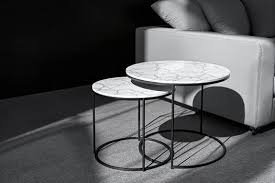
Most people spend hours choosing a sofa or a rug, yet they give their end tables less than five minutes of thought. That is a costly mistake. End tables for living room spaces do far more than hold a coffee mug or a TV remote. They anchor your seating arrangement, define your style, and quietly keep your living room organized every single day. According to home furnishing surveys, side tables are among the top five most-purchased living room furniture items in the United States, with millions sold annually across every price bracket.
In this guide you will learn exactly how to choose the right end table for your living room, from sizing rules and shape selection to material comparisons and the top styles trending in 2025. You will also find a full comparison table, a room-by-room placement guide, and answers to the most common questions buyers ask before they shop.
Table of Contents
1. What Are End Tables for Living Room and Why Do They Matter
2. How to Choose the Right Size and Height
3. Best End Table Shapes for Every Living Room Layout
4. Materials Compared: Wood, Metal, Glass, and More
5. Top End Table Styles and Trends in 2025
6. How to Style and Place End Tables in Your Living Room
7. End Table Features Worth Paying For
8. Comparison Table: End Table Types at a Glance
9. Frequently Asked Questions
10. Conclusion
1. What Are End Tables for Living Room and Why Do They Matter
End tables for living room use are small accent furniture pieces placed beside sofas, armchairs, or sectionals to provide a convenient surface within arm’s reach. They typically hold lamps, drinks, books, remote controls, and decorative objects. Despite their compact size, they play a significant role in both the function and the visual balance of your living room.
A living room without an end table next to every seating position feels incomplete. You are constantly reaching too far for your drink, setting items on the floor, or stacking things on armrests. The right living room side table eliminates all of that friction instantly and makes your space feel both more comfortable and more intentional.
The Difference Between an End Table and a Side Table
End tables and side tables are terms used almost interchangeably, but there is a subtle distinction worth knowing. An end table is specifically placed at the end of a sofa or beside a chair. A side table is a broader term that covers any small table used alongside seating, in a bedroom, a hallway, or a home office. For living room use, both terms refer to the same category of furniture.
Coffee tables sit in front of the sofa at a lower height and serve a different purpose. Nesting tables are a variation on side tables that stack beneath one another for flexible use. Knowing these differences helps you shop more confidently and communicate your needs clearly when visiting a furniture retailer.
Why End Tables Are a High-Impact Purchase
Furniture experts consistently point out that accent tables and end tables are among the easiest ways to refresh a living room without a full redesign. Swapping out a basic end table for something sculptural or changing from wood to marble can completely alter the mood of a room. Because they are smaller purchases than a sofa or a bookcase, they carry less financial risk and allow you to experiment with new materials, colors, or styles.
Studies in interior design show that a well-chosen living room accent table also improves the perceived organization of a space. When every seat has a surface nearby, the room looks and feels intentional rather than haphazard. [INTERNAL LINK: living room furniture ideas]
2. How to Choose the Right Size and Height
Sizing is the single most important factor when choosing end tables for living room furniture arrangements. A table that is too tall looks awkward and interrupts the visual flow of the room. A table that is too short makes it uncomfortable to reach your drink and can get lost visually next to a large sofa.
The Golden Height Rule
The standard guidance from interior designers is to choose an end table that sits level with or up to two inches below the arm of your sofa or chair. For most standard sofas, the armrest sits between 24 and 28 inches off the ground. That means the ideal end table height falls in the 22 to 28 inch range for the majority of living rooms.
Measure your sofa’s armrest height before you shop. Do not rely on guesswork, because even a three-inch difference in height creates noticeable visual imbalance and practical inconvenience. If you own a low-profile sectional with 22-inch arms, a standard 26-inch end table will sit too high and feel out of place.
Width and Footprint Guidelines
Width should be proportional to the sofa and the available floor space. A common guideline is to keep the end table width within half the width of the sofa’s armrest section, roughly the area from the end of the sofa to where the cushion seat begins. For a standard sofa arm that spans about 12 to 18 inches, an end table between 18 and 24 inches wide is usually ideal.
Always leave at least 18 inches of clear walkway around any end table. This prevents the room from feeling cramped and ensures safe movement, especially in homes with children or pets. If your living room is compact, consider a round or oval table, which tends to feel less bulky than a square or rectangular piece of the same dimensions.
Matching Scale to Your Sofa
A small accent table placed beside an oversized sectional sofa looks lost and creates a sense of imbalance. Conversely, a wide, heavy end table next to a delicate two-seat sofa will overpower the seating arrangement. Scale matching is about visual weight, not just inches. A glass or acrylic end table can be physically large but visually light, making it a smart choice for smaller living rooms where a wooden table of the same size would feel too heavy.
3. Best End Table Shapes for Every Living Room Layout
The shape of your end table affects both the visual feel of your room and its practical suitability for your specific floor plan. There is no universally correct shape. The right choice depends on your sofa configuration, the other furniture in the room, and whether you have young children or pets.
Round End Tables
Round end tables are the most versatile shape for living rooms. Their lack of sharp corners makes them family-friendly and safe around children and pets. They also work particularly well in smaller rooms or tight corners, because the circular form does not visually dominate the space the way a square table can. A round side table pairs beautifully with a sofa that has boxy, angular lines, introducing a contrasting soft curve that adds design interest.
The main limitation of round tables is reduced surface area. If you need room for a lamp plus a drink plus a stack of books, a round table may feel crowded. In that case, step up to a 20 to 24-inch diameter round table or consider a rectangular option instead.
Square and Rectangular End Tables
Square and rectangular end tables offer the most usable surface area and a structured, symmetrical look. They suit formal living rooms, traditional decor styles, and spaces where you need room for both a lamp and everyday items. A rectangular living room accent table placed beside a sofa creates clean horizontal lines that complement most furniture arrangements.
The main consideration with square or rectangular tables is clearance. Their corners protrude into walkways more than round tables do, so verify that you have at least 18 inches of space around each side before purchasing.
C-Shaped and Nesting Tables
C-shaped end tables feature a base that slides under a sofa or chair, bringing the tabletop directly over your lap. This design is exceptionally practical for small apartments, for people who work on laptops while seated, or for anyone who enjoys eating on the couch. The C-table trend has grown significantly in recent years as more people use their living rooms as multifunctional work-from-home spaces.
Nesting tables are sets of two or three tables that stack beneath one another when not in use. They are ideal for living rooms that need flexible surface space for entertaining. You can spread them out when guests visit and tuck them together on regular evenings to free up floor space. This format is also useful in spaces where you do not want a permanent end table presence on both sides of the sofa. [INTERNAL LINK: small living room furniture solutions]
Drum and Pedestal Tables
Drum and pedestal end tables offer a solid, sculptural silhouette that can serve as a design statement in its own right. These rounded or column-shaped bases support a circular or oval top and work particularly well in contemporary, bohemian, or mid-century modern living rooms. They tend to have smaller footprints than square tables, making them useful for tight spaces where a wide base would interfere with seating.
4. Materials Compared: Wood, Metal, Glass, and More
The material of your end table determines its durability, maintenance requirements, visual weight, and how well it integrates with your existing furniture. Each material has genuine strengths and trade-offs, and the best choice depends on your lifestyle and design goals.
Solid Wood and Engineered Wood
Wood is the classic choice for living room side tables and for good reason. It is warm, durable, and compatible with virtually every interior style from rustic farmhouse to sleek Scandinavian. Solid wood options such as oak, walnut, and mango wood offer exceptional longevity and can be refinished if scratched. Engineered wood, including MDF and particleboard with veneer finishes, provides a more affordable alternative with a similar visual result but less durability over time.
Wood end tables work especially well in living rooms that already feature wooden floors, wooden coffee tables, or timber architectural details. Choose a stain that complements rather than exactly matches your flooring for a layered, designer look.
Metal End Tables
Metal end tables in matte black, brushed gold, or polished chrome suit modern, industrial, and mid-century modern living rooms. They tend to be more durable than wood in high-traffic homes and resist scratches and moisture better when properly finished. The slim profiles achievable with metal construction also make this material ideal for small-space solutions, because a metal frame with a small tabletop feels visually light even in a compact room.
The primary downside of metal end tables is that they can feel cold in rooms that already lean heavily modern or minimal. Pairing a metal frame with a warm wood top or a marble top helps balance the look considerably.
Glass-Top Tables
Glass end tables create an airy, open feel in living rooms because they allow the eye to pass through rather than stopping at the table surface. This makes them particularly valuable in smaller rooms or those with bold rugs, since they do not interrupt the visual flow of the floor below. A glass top on a metal or wooden base is a popular combination that suits contemporary and transitional styles equally well.
The practical trade-offs are worth noting. Glass requires more frequent cleaning than wood or metal because fingerprints and water rings are immediately visible. Glass surfaces are also less suitable for homes with young children or pets. Tempered glass is always the safer and more durable option over standard glass for a living room setting.
Stone, Marble, and Mixed Materials
Marble and stone tops have become a major trend in living room furniture over the past several years, driven by the popularity of luxury and contemporary interior styles. A marble end table introduces natural pattern, texture, and a cool, sophisticated tone that pairs beautifully with velvet sofas, boucle chairs, and metallic accents.
Natural stone is heavy, durable, and heat-resistant, making it a practical choice for a surface that holds drinks and candles. Faux marble options in ceramic, laminate, or sintered stone offer a similar visual effect at lower cost and weight. Mixed-material tables that combine wood bases with marble tops or metal frames with stone surfaces are currently among the most popular choices in contemporary living room design.
5. Comparison Table: End Table Types at a Glance
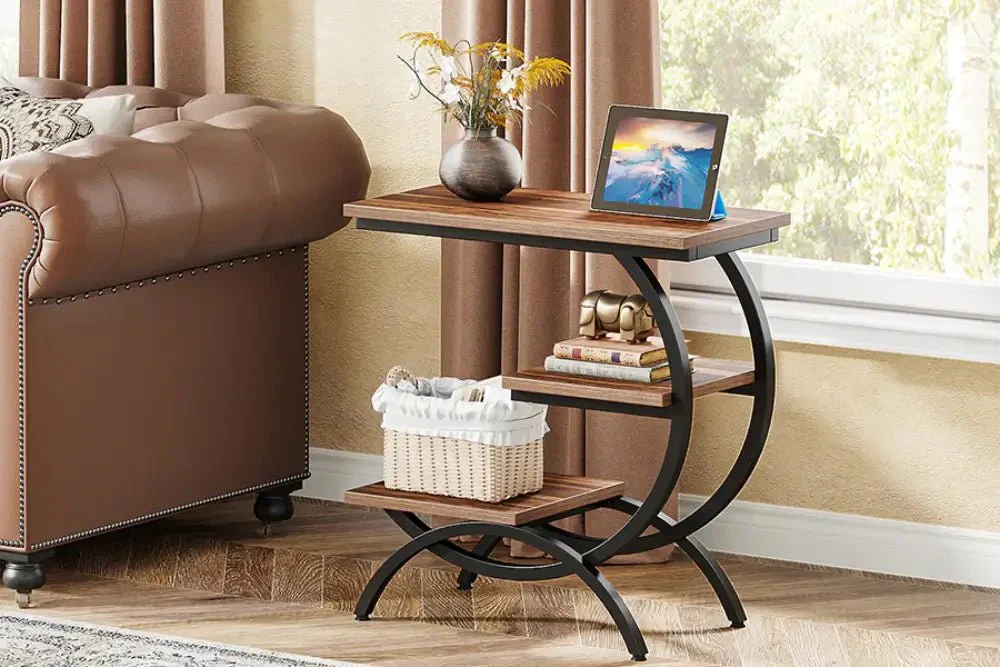
Use this comparison to quickly identify which type of end table suits your living room needs, budget, and style priorities.
| Table Type | Best Style Fit | Surface Area | Storage | Family-Friendly | Price Range |
| Round Wood | Traditional, Farmhouse, Scandi | Medium | None to Low | Yes | $50-$400 |
| Square Wood with Drawer | Traditional, Transitional | High | High | Yes | $80-$600 |
| Metal Frame + Glass Top | Modern, Contemporary | Medium | None | Caution | $60-$500 |
| C-Shaped Table | Modern, Small Space | Medium | None | Yes | $40-$250 |
| Marble Top + Metal Base | Glam, Contemporary | Medium | None | Caution | $100-$800 |
| Nesting Tables (Set of 2) | Modern, Transitional | Variable | None | Yes | $60-$400 |
| Drum/Pedestal Table | Mid-Century, Bohemian | Small-Medium | Low | Yes | $70-$600 |
| USB Charging End Table | Modern, Tech-Forward | Medium | Medium | Yes | $80-$350 |
6. Top End Table Styles and Trends in 2025
Living room design trends in 2025 lean toward a blend of functionality and material richness. The dominant themes are mixed materials, built-in technology features, and a return to organic textures like rattan, teak, and natural marble.
Multifunctional End Tables with Built-In Charging
One of the fastest-growing categories in end tables for living room spaces is the multifunctional design with integrated USB ports, wireless charging pads, or electrical outlets. These tables serve as both a surface and a charging station, addressing one of the most common living room clutter problems: tangled cables and devices left on the floor. According to home furnishing data, multifunctional furniture categories including end tables with charging features generate strong repeat purchasing as households upgrade their living spaces.
If you regularly use your phone, tablet, or laptop while on the sofa, a living room side table with a charging station eliminates the need for extension cords and keeps your essentials within reach and fully powered throughout the day.
Natural and Organic Materials
The return to natural materials in interior design is reflected strongly in end table choices this year. Rattan, seagrass, teak root, reclaimed wood, and carved stone are all appearing in popular end table designs. These organic textures create warmth and a tactile quality that mass-produced laminate furniture cannot replicate. They also complement the broader design trend toward biophilic interiors, which incorporate natural elements to create calming, restorative living spaces.
Sculptural and Statement End Tables
A growing number of homeowners treat end tables as functional art rather than purely utilitarian furniture. Sculptural designs with geometric bases, twisted metal forms, and abstract shapes are increasingly popular as design-forward alternatives to conventional square tables. These pieces work best when placed in a living room where the overall palette is relatively restrained, allowing the end table to stand out as a deliberate design choice rather than competing with bold patterns or heavily decorated walls.
Mid-Century Modern Revival
The mid-century modern aesthetic continues to perform strongly in living room furniture, and end tables are no exception. Tapered legs, walnut finishes, clean horizontal lines, and compact proportions define this style. Mid-century modern end tables pair exceptionally well with low-profile sofas, abstract rugs, and minimalist wall art, creating a cohesive retro-contemporary look that has remained popular across multiple design cycles.
7. How to Style and Place End Tables in Your Living Room
Choosing the right end table is only half the equation. Placement and styling make a significant difference in how the table performs visually and functionally in your space.
Placement Rules for End Tables
The most common placement is at each end of a sofa, flanking it symmetrically. This creates visual balance and ensures that both people sitting at each end of the sofa have a surface within easy reach. However, symmetry is not a requirement. A single well-placed end table on one side of a sofa with an oversized floor lamp on the other side can create an asymmetrical balance that feels equally intentional and more modern.
In rooms with sectional sofas, consider placing an end table at the open end of the sectional where no corner exists to rest items. A C-shaped table that slides under the sofa section works particularly well here. For a single armchair in a reading corner, one round or square end table placed to the side of the chair’s arm creates a complete and inviting reading nook.
How to Decorate the Top of an End Table
Interior designers recommend following the Height, Organic, Tray rule for styling any surface in a living room. Include one tall element such as a lamp or a tall vase, one medium element such as a small plant or a decorative object, and one low element such as a candle or a coaster set. A tray is optional but practical, grouping small items together and protecting the surface from moisture rings.
Resist the urge to overcrowd the table surface. An end table that holds a lamp, three decorative objects, and a stack of magazines loses all its visual impact. A few well-chosen items always look better than a cluttered surface, no matter how beautiful the individual pieces are.
Mixing Different End Tables
You do not need a matching pair of end tables to create a cohesive living room. In fact, mixing two end tables that share one common design element, such as the same wood finish, the same leg style, or the same metal accent color, often looks more sophisticated than an identical pair. The key is to maintain similar visual weight on both sides of the sofa so the arrangement does not feel unbalanced.
8. End Table Features Worth Paying For
Not all end tables are built to the same standard, and certain features are genuinely worth the additional investment based on how you use your living room.
Storage Features
End tables with storage drawers, lower shelves, or hidden compartments offer a significant practical advantage in living rooms where surface clutter is a concern. A drawer hides remote controls, reading glasses, small chargers, and other daily-use items that would otherwise sit on the tabletop and create visual noise. A lower shelf provides space for books, magazines, or decorative baskets while keeping them accessible. If your living room doubles as a media room or a family gathering space, storage-equipped end tables are worth the extra spend.
Construction Quality
For wooden end tables, look for kiln-dried solid wood joinery and dovetail drawer construction in pieces with drawers. For metal tables, check that welds are clean and that leg caps are included to prevent floor scratching. Glass tops should always be tempered for safety. The finishing on any end table, whether paint, stain, or lacquer, should feel smooth and even without visible drips or rough patches. Quality finishing indicates that the manufacturer applies the same care to construction that is invisible to the buyer on first inspection.
Weight Capacity and Stability
Check the listed weight capacity before purchasing, especially if you plan to use the table to support a lamp, which adds both weight and leverage. Most standard end tables support between 30 and 60 pounds safely. Tables with three or more legs are generally more stable than two-legged or pedestal designs on uneven floors. If stability is a concern, look for tables with adjustable leg levelers, which allow you to compensate for slightly uneven flooring without rocking.
9. Frequently Asked Questions About End Tables for Living Room
What height should end tables for living room be?
End tables for living room use should match or sit within two inches below your sofa or chair armrest height. Most standard sofas have armrests between 24 and 28 inches high, making the ideal end table height range 22 to 28 inches. Measure your armrest before shopping to ensure a comfortable and visually balanced result.
What is the difference between an end table and a side table?
An end table is placed specifically at the end of a sofa or beside a seating chair. A side table is a broader category that includes any small table used alongside seating in any room. In living room contexts the two terms are largely interchangeable, and both serve the same functional purpose of providing a surface within reach of a seated person.
Can you mix and match end tables in a living room?
Yes, mixing end tables is not only acceptable but often looks more sophisticated than using identical pieces. The key is to choose tables that share at least one common design element such as the same wood tone, the same metal finish, or similar proportions. Maintaining consistent visual weight on both sides of the sofa ensures the arrangement feels balanced rather than chaotic.
How do I choose the right size end table for my sofa?
Choose an end table that is approximately the same height as your sofa’s armrest, within a two-inch range. For width, aim for a table that is proportional to the sofa arm section and leaves at least 18 inches of clear walkway on all sides. Round tables tend to feel less bulky than square tables of the same width and work well in tighter spaces.
What material is best for end tables with heavy daily use?
Solid hardwood, powder-coated metal, and sintered stone are the most durable choices for end tables that receive heavy daily use. Solid wood resists denting and can be refinished. Powder-coated metal handles moisture and minor impact well. Sintered stone surfaces resist heat, scratches, and stains better than natural marble. Avoid MDF in high-humidity rooms or in households where surfaces get wet frequently.
Are C-shaped end tables worth buying for small living rooms?
C-shaped end tables are an excellent solution for small living rooms. Their base slides under the sofa or chair, bringing the surface over your lap without taking up additional floor space. They are especially practical for working on a laptop, eating on the sofa, or keeping a drink close while reading. Many models are also lightweight enough to move easily between rooms.
How many end tables does a living room need?
A standard living room benefits from at least two end tables, one at each end of the main sofa. Additional accent tables or side tables can be placed beside armchairs or used in reading corners as needed. The goal is to ensure that every seating position in the room has a surface within comfortable arm’s reach, which typically means one table per sofa end and one beside each standalone chair.
What should you put on an end table in a living room?
A lamp, one or two small decorative objects, and a coaster or small tray make up a well-edited end table surface. Keep items to three or fewer to avoid clutter. Practical additions include a phone charging pad, a small plant, or a stack of books. Avoid overcrowding the surface, as a few thoughtfully chosen items always look better than a collection of many smaller pieces competing for attention.
10. Conclusion
Choosing the right end tables for living room spaces comes down to three things: the correct size and height relative to your sofa, a material and shape that suit your lifestyle and design goals, and thoughtful placement and styling that makes the table earn its place in the room.
Here are the three key takeaways from this guide. First, always measure your sofa’s armrest height before you buy, because sizing is the single biggest factor in whether an end table looks and works correctly in your room. Second, consider how your lifestyle affects your material choice, because glass and marble require more maintenance while solid wood and powder-coated metal handle daily wear better. Third, do not feel obligated to match your end tables exactly, because mixing pieces that share a single common design element is a more sophisticated approach that creates a lived-in, layered look.
Take what you have learned here, measure your space, decide on your priorities, and choose end tables that serve your life as well as they enhance your living room.