Garage Floor Painting: A Complete Homeowner’s Guide to a Tougher, Better-Looking Garage

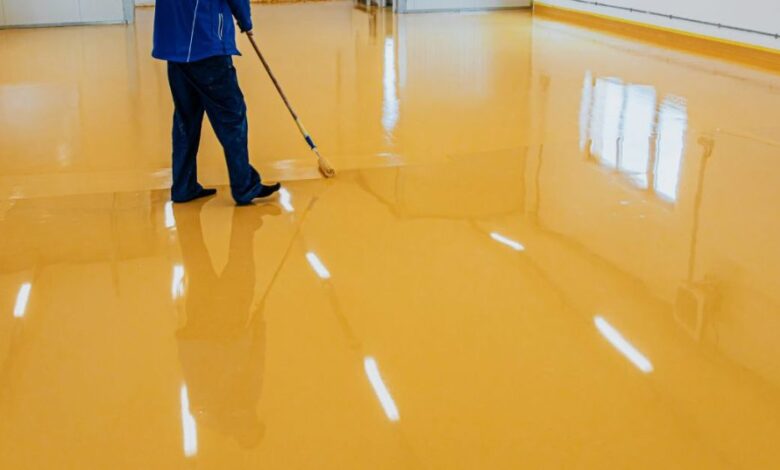
A dull, stained concrete slab can drag down the entire feel of your home. Garage floor painting changes that fast, turning dusty gray concrete into a clean, sealed, light-reflective surface you’ll actually enjoy walking on. When you upgrade the floor, you make the space easier to clean and far more resistant to oil, salt, and road grime. The right coating doesn’t just look good, it works hard every single day.
Right below, you’ll find a quick-reference table that breaks down the essentials before we dive deeper.
| Feature | Key Details |
|---|---|
| Primary Purpose | Seal, protect, and upgrade bare concrete |
| Best Materials | epoxy floor paint, polyaspartic, acrylic concrete paint |
| Average Lifespan | 3–20+ years depending on coating |
| Typical Cost Range | $4–$12 per square foot installed |
| Ideal Temperature | 50°F–90°F during application |
Garage Floor Painting Benefits That Go Beyond Looks
A well-coated garage floor does more than boost curb appeal. It locks down concrete dust, which otherwise floats around every time you sweep or pull in your car. Once sealed, the surface becomes far easier to mop and maintain. Oil stains sit on top instead of soaking in.
Durability is where coatings shine. High-quality garage floor epoxy paint resists chemicals, hot tire pickup, and abrasion far better than ordinary paint. Instead of crumbling under pressure, it forms a bonded layer that grips the concrete. That bond is the difference between a quick cosmetic fix and a long-term solution.
Moisture protection also improves dramatically. Bare concrete absorbs water like a sponge. A sealed floor blocks that intrusion and reduces cracking caused by freeze-thaw cycles. If you live in a cold climate, that protection matters more than you think.
Types of Coatings for Garage Floor Painting
Choosing the right material determines how long your investment lasts. Some coatings are beginner-friendly and affordable. Others demand precision but reward you with decades of performance.
Epoxy Floor Paint for Concrete Surfaces
True epoxy floor paint for concrete comes in two parts that you mix before application. Once combined, it creates a chemical reaction that forms a rigid plastic-like surface. This material bonds tightly to properly prepared concrete and delivers excellent chemical resistance. Many homeowners prefer it because it balances price and performance.
Expect a cure time of several days before driving on it. During that period, patience pays off. Rushing the process can cause bubbling or soft spots. When installed correctly, epoxy coatings commonly last 5 to 10 years in residential garages.
Polyaspartic Coatings for Maximum Durability
Modern polyaspartic coatings take durability to another level. They cure much faster than epoxy and resist UV yellowing, which keeps the floor looking fresh over time. Professionals often recommend this option for heavy-use garages or extreme climates. The upfront cost runs higher, but the longevity often offsets that difference.
Unlike epoxy, polyaspartic coatings remain slightly more flexible. That flexibility helps prevent cracking under temperature swings. If you want a premium finish that withstands abuse, this system deserves serious consideration.
Sand and Decorative Additive Systems
Some homeowners choose epoxy sand floor paint to increase traction. Quartz or silica sand gets broadcast into the wet coating, creating texture and slip resistance. This approach works well if your garage frequently gets wet. It also hides surface imperfections that might otherwise show through a glossy finish.
Decorative flakes add visual interest while improving grip. They create a speckled appearance that masks dirt between cleanings. For many households, this style strikes a balance between beauty and practicality.
What Type of Paint Do You Use for a Garage Floor?
This common question comes up for good reason. Standard interior paint simply won’t survive in a garage. Instead, you need a product engineered for concrete and vehicle traffic.
The most reliable options include epoxy floor paint, one-part acrylic epoxy blends, and professional polyaspartic coatings. Acrylic versions are easier to apply but less durable. Two-part systems require careful mixing yet outperform simpler alternatives.
If you browse online retailers like amazon garage floor coating listings, you’ll notice big price differences. Read product specifications carefully. Look for coverage rates, solids content, and moisture tolerance before you buy.
What Is the Average Cost to Paint a Garage Floor?
Cost depends on square footage, product quality, and whether you hire a contractor. On average, the garage floor painting cost falls between $4 and $12 per square foot installed. A typical two-car garage may range from $1,600 to over $6,000. Premium coatings and heavy surface prep push prices upward.
If you handle the project yourself, material costs drop significantly. A standard garage floor painting kit for a one-car garage often costs between $50 and $150. However, you must factor in cleaning supplies, crack filler, and optional decorative flakes.
Here’s a simplified comparison:
| Coating Type | DIY Material Cost | Professional Installed Cost | Average Lifespan |
|---|---|---|---|
| Acrylic Concrete Paint | $0.50–$1.50/sq ft | $3–$6/sq ft | 1–5 years |
| Epoxy System | $1.50–$3/sq ft | $4–$10/sq ft | 5–10+ years |
| Polyaspartic | Rare DIY option | $5–$12/sq ft | 10–20+ years |
When planning your garage floor painting project, remember that preparation affects both price and durability. Grinding or repairing damaged concrete adds cost but dramatically improves adhesion. Skipping prep might save money now but leads to peeling later.
How to Apply Epoxy Floor Paint Successfully
Understanding epoxy floor paint how to apply correctly makes or breaks the result. Surface preparation always comes first. You must degrease thoroughly, repair cracks, and etch or mechanically grind the concrete. A slightly rough texture helps the epoxy bond securely.
Once the surface dries completely, mix the resin and hardener exactly as directed. Work in manageable sections because epoxy has a limited working time. Use a roller with an extension pole for even coverage and cut in edges with a brush.
Allow proper curing before walking or driving on the floor. Most systems require at least 24 hours for light foot traffic and several days before vehicle use. Rushing this stage can permanently damage the finish.
Is Painting Your Garage Floor a Good Idea?
Is painting your garage floor a good idea? In most cases, yes, especially if your concrete is structurally sound. A coated floor reduces dust, simplifies cleaning, and improves resale appeal. It also protects against oil, salt, and moisture damage.
However, plain paint without proper preparation often fails prematurely. If you want durability, choose a high-quality system and invest time in prep work. A rushed weekend shortcut usually leads to peeling within a year or two.
For homeowners who treat the garage as a workshop or gym, the upgrade feels transformative. The space becomes brighter and more inviting. That psychological shift alone often justifies the effort.
What Type of Flooring Is Best for a Garage?
What type of flooring is best for a garage? The answer depends on how you use the space. For heavy vehicle storage and mechanical work, epoxy or polyaspartic coatings provide the strongest long-term protection. They create a seamless barrier that resists chemicals and impact.
Interlocking tiles offer flexibility and easier installation. They work well if you want a reversible solution or added cushioning. However, they can trap moisture underneath and may shift under heavy loads.
Roll-out mats suit temporary setups but lack the durability of bonded coatings. If longevity and low maintenance top your priority list, professionally installed coatings remain the gold standard.
Final Thoughts
A garage floor upgrade may seem cosmetic at first glance. In reality, it functions as a protective shield for one of the hardest-working surfaces in your home. The right material keeps concrete intact and simplifies cleaning for years.
Before committing, evaluate your budget, climate, and intended use. Compare epoxy, acrylic, and polyaspartic systems carefully. Focus on preparation quality rather than just product price.
When done correctly, garage floor painting transforms a dusty utility space into a polished extension of your home. It’s a practical investment that pays off every time you pull into the driveway and see a clean, durable surface waiting for you.