Waterproof Laminate Flooring: Is It Really 100% Waterproof? The Truth Revealed

Waterproof laminate flooring gives you the look of wood with extra protection against spills. It’s a floating floor made of dense fiberboard and a tough wear layer, sealed against moisture. Homeowners love it because it looks great and can stand up to everyday life – even in kitchens or basements. But is it truly waterproof? This guide covers what waterproof laminate flooring is, its pros and cons, how it stacks up against vinyl or hardwood, and tips on buying and caring for it. We’ll answer common questions like “Can laminate flooring be waterproof?” and “Is waterproof laminate flooring worth it?” so you can make an informed choice.
| Feature | Waterproof Laminate |
|---|---|
| Core Material | High-density fiberboard (HDF) with a moisture seal |
| Water Resistance | Handles brief spills and splashes; not suited for standing water |
| Wear Layer | Durable, often AC4–AC5 rated (scratch- and dent-resistant) |
| Installation | Click-lock (floating floor), DIY-friendly |
| Cost (per sq ft) | Roughly $1–$5 (higher end for thicker boards) |
| Warranty (Res.) | Many brands offer lifetime residential warranties |
| Typical Uses | Living areas, kitchens, bathrooms (with proper underlayment) |
What is Waterproof Laminate Flooring?
Waterproof laminate flooring is basically laminate with extra water-blocking features. Regular laminate has a wood-fiber core that swells when wet, but waterproof versions add a water-repellent seal to the edges and top layer. Imagine laminate planks wrapped with a moisture barrier: they still look like wood (thanks to a printed design layer and tough top coat), but they resist short spills better. ExpertFlooring.net explains that waterproof laminate is “designed to resist water contact, not water damage”. In practice, that means it can survive spilled wine or pet accidents if you wipe them up quickly, but it isn’t a flood-proof floor.
In construction, a waterproof laminate typically has these parts:
-
Top wear layer: A clear, scratch-resistant coating (think AC3–AC5 rating) that protects the design.
-
Decor layer: A high-res printed image of wood or stone.
-
Core layer: High-density fiberboard (HDF) often treated or encapsulated to repel moisture.
-
Backing layer: Protects against moisture from below.
Some brands even apply sealant or paint to plank edges and use extra-tight locking systems to keep water out of the seams. This all means waterproof laminate flooring can handle daily dampness better than plain laminate. However, remember – “waterproof” here is a bit mof arketing-speak. It resists casual spills, but if water is left standing for hours, damage can occur.
Benefits of Waterproof Laminate Flooring
-
Stylish and Realistic: Modern waterproof laminates closely mimic real wood or stone. Deep textures and woodgrain patterns can fool the eye better than cheaper vinyl. The Spruce notes that laminate “can mimic hand-scraped hardwood, stone, ceramics, and other materials more realistically than vinyl” thanks to its thick wear layer. You get the warmth and look of wood without the typical wood downsides.
-
Durable & Tough: These floors are built for busy homes. Many have AC4–AC5 wear ratings, meaning they resist scratches, dents, and stains very well. In fact, an AC-5 rated waterproof laminate (e.g., AquaGuard Performance) is scratch- and dent-resistant, ideal for pets and kids. It holds up to high foot traffic without fading. Floor & Decor even backs some styles with lifetime residential warranties, reflecting confidence in their durability. One brand claims its laminate can last around 25 years with normal use, showing how long-lasting these floors can be.
-
Water & Spill Resistance: As the name suggests, these floors shrug off daily spills. Most can handle 20–30 hours of water exposure before issues appear. That means an accidental spill or two won’t warp the floor if you clean it up. In fact, some 100%-waterproof laminate products say “no amount of water, moisture, or spills will harm these floors”. (Always check the fine print, though.) Compared to a hardwood floor, this is a huge advantage: you won’t cringe at a dropped drink. It’s perfect for pet accidents, cooking messes, or muddy boots.
-
Budget-Friendly: Laminate flooring is often cheaper than solid wood or high-end luxury vinyl. Typical prices range from about $1 to $5 per square foot, depending on thickness and brand. Even premium waterproof laminates fall at the lower end of that scale. Install it yourself to save even more, since it floats over the subfloor without glue or nails. Many planks come with an attached underlayment, which speeds up installation. You get big bang for your buck – beautiful wood looks for a lot less money.
-
Easy Maintenance: Cleaning is straightforward. You can sweep or vacuum daily. For spills, a quick damp mop (wring it dry) or cloth wipe is enough. Unlike hardwood, you don’t need special polishes or refinishing. (Just avoid soaking it or using a steam mop – use a barely damp cloth.) The surface layer repels dirt and stains, so marks from food or pets generally clean right off.
-
Good for Busy Homes: Because of all the above, waterproof laminate is a hit in family rooms. Floor & Decor notes it’s “ideal for homes with pets or children”, since it stands up to accidents and wear. Kids’ bedrooms, rec rooms, and high-traffic hallways are all fair game.
Limitations of Waterproof Laminate Flooring
-
Not Truly Floodproof: Despite the name, waterproof laminate isn’t immune to prolonged exposure. The water-repellent seals and coatings delay damage, but if water sits on the floor for hours (for example, a burst pipe or bath overflow), it can still seep through joints and warp the core. ExpertFlooring.net warns that waterproof laminate “resist[s] water contact, not water damage” – clean spills up quickly. Even top brands advise against leaving standing water. In that sense, it’s more water-resistant than strictly waterproof.
-
Edges & Seams are Vulnerable: The locking edges of laminate planks are its weak point. If water creeps into a gap or under a plank, the high-density core can swell. Sealed-edge systems (like paint on the sides) help, but no click-lock system is 100% leakproof. In very wet areas, any lapse in cleaning or sealant maintenance could cause edge splitting or buckling. For absolute waterproofing (e.g. showers), vinyl or tile is safer.
-
Feels Hard Underfoot: Laminate’s synthetic core and lack of give make it a firmer, cooler surface compared to vinyl or carpet. Some people find it a bit hollow-sounding in empty rooms. Luxury vinyl tends to feel slightly softer or warmer underfoot. You can mitigate this by using a thick underlayment pad (most planks include one) for a bit of cushioning.
-
Noise: Because laminate is hard, footsteps can echo. In multi-story homes, you may notice a louder “click” when walking. High-quality underlays will reduce noise. If quiet floors are a priority, plank vinyl or carpet has the edge.
-
Repair vs. Refinish: If a waterproof laminate plank does get damaged (e.g., a deep scratch or chip), you typically replace the plank. You cannot sand and refinish laminate like real wood. However, replacements are relatively easy to click in – just be sure to have some extra planks or source the style when buying.
-
Appearance Limitations: Although designs have improved, very discerning eyes might still tell laminate apart from real hardwood upon close inspection. Very niche or exotic wood grains might not be 100% perfect. That said, for most families, the difference is negligible.
Waterproof Laminate vs. Other Flooring
Choosing a floor often comes down to laminate vs. vinyl (and vs. traditional hardwood). Here’s how they compare:
-
Water Resistance: Vinyl plank (especially SPC rigid vinyl) wins here. 100% vinyl floors are made of impermeable plastics, so they won’t warp no matter how much water they see. You can even flood a vinyl floor (sit a soaking wet rug on it) and it’ll be fine once dried. In contrast, a laminate floor – even “waterproof” – can swell if water gets underneath. Flooring America points out that “most vinyl floors, including luxury vinyl plank, are waterproof, [but] water-resistant laminate is still susceptible to damage from excessive water exposure”. So for bathrooms and full basements, vinyl is generally safer.
-
Durability & Wear: Both options offer high durability. Top laminates have thick acrylic overlays and scratch resistance comparable to vinyl. Both are pet- and kid-friendly. Some say rigid vinyl is slightly tougher against impacts (like dropped tools), but good laminates handle heavy use fine. Look for AC4/AC5 ratings on laminate (or 20mil+ wear layer on vinyl) for busy homes.
-
Comfort & Sound: Vinyl floors tend to feel a bit softer underfoot (especially if cushioned). They also sound quieter since vinyl itself dampens noise. Laminate can sound hollow, so a quality underlayment is key. If you want a “squishier” feel or live in an echoey space, vinyl has a slight edge.
-
Appearance: Laminate generally excels at realistic wood looks. Its thick wood-fiber core supports deeper embossing. The Spruce notes laminate “can mimic wood… more realistically than vinyl” because of this textured emboss. Vinyl designs have come far, but very often a laminate plank has a more three-dimensional wood grain. If ultra-realistic wood visuals are important, laminate often wins.
-
Cost: Laminate is often the cheaper of the two. You’ll see prices roughly in the same $1–$5/ft² range, but many entry-level laminates undercut even basic vinyl. Flooring Superstores observed that laminate “often comes out ahead” on price per square foot. In practice, mid-grade vinyl and laminate cost about the same. High-end (thicker or designer patterns) will cost more in both cases. Always compare by the box as well as by quality.
-
Installation: Both laminate and vinyl plank can use click-lock systems, making DIY easy. Vinyl plank often has a tad more forgiving locking mechanism. Laminate usually needs a very flat subfloor, whereas some vinyl can tolerate slight irregularities better. Overall, they’re similar in installation steps (underlayment, click, trim edges).
Which is better? It depends on your priorities. If water is the biggest concern (big spills, wet environments), vinyl usually wins for peace of mind. If realistic wood look and budget are top of mind, waterproof laminate is a superb choice. As Flooring America summarized: vinyl (especially SPC) is “often favored for areas with high moisture,” while waterproof laminate “can be an excellent choice for those seeking a balance between aesthetics and water resistance”.
Applications & Use Cases
Bathrooms & Kitchens
These are common places people ask about “waterproof laminate flooring for bathroom”. In theory, yes: some top-quality laminates are rated for full-room installation, including kitchens and bathrooms. For example, AquaGuard Performance is marketed as perfect for “any room, including kitchens and bathrooms”. If you choose a laminate specifically labeled 100% waterproof (and often given a full-room warranty), you can install it in a bathroom. Do take precautions: leave expansion gaps, use good silicone caulk at edges, and always wipe up any standing water immediately. If the subfloor gets too wet, mold or buckling can occur. We recommend using water-resistant grout or caulk in tile transitions and putting mats by tubs/sinks.
Basements & Laundry Rooms
These often experience humidity or minor moisture. Waterproof laminate is a solid option here if the concrete subfloor is dry. Lay a quality vapor barrier and underlayment, and you can have a warm wood-look floor in a basement (much nicer than plain tile or vinyl). In laundry rooms, it holds up to occasional splashes and heavy appliances. Always check the manufacturer’s recommendation for below-grade use.
High-Traffic Areas
Living rooms, hallways, and kids’ rooms benefit greatly. Spills at game night or dropped juice in the playroom won’t ruin these floors. Even entryways can work, though a good doormat helps since dirt can be abrasive.
Outdoor/Unheated Spaces
Not recommended. Despite the “waterproof” name, these laminates are not meant for patios, sunrooms without climate control, or garages. Extreme humidity and temperature swings will cause problems. For those spaces, use actual vinyl or tile designed for outdoor use.
Retailers & Deals
You’ll find waterproof laminate at big home centers. Home Depot carries lines from Mannington, TrafficMASTER, Style Selections, and more. Lowe’s sells Pergo (TimberCraft WetProtect), Quick-Step Studio (SpillRepel), and Martha Stewart Collection laminates. Floor & Decor has AquaGuard and LifeProof brands. Prices vary, but watch for sales. Winter and spring clearance events often discount end-of-line patterns by 30–50%. Also, look at factory outlets or overstock sites for bargains. Keywords like “waterproof laminate flooring clearance” or “waterproof laminate flooring sale” can help you snag deals. Even a few extra cents off per square foot adds up on big projects.
Choosing and Buying Waterproof Laminate
When shopping, keep these tips in mind:
-
Check the Core Type: True waterproof laminates have an HDF core that’s been treated or encapsulated to repel moisture. Read labels: terms like “HydroSeal (Mohawk), “WetProtect (Pergo), or “SpillRepel” (Quick-Step) indicate extra sealing. Standard MDF-core laminates are cheaper but not waterproof.
-
Look for High Wear Ratings: Aim for AC3 or higher for residential use. AC4/AC5 is best for heavy use (pets, kids, high traffic). High AC ratings usually go hand-in-hand with better waterproofing layers too.
-
Warranty and Certifications: See if the product comes with a water warranty. Many claim “lifetime residential” or “20-year commercial” protections. Also check for FloorScore or UL GREENGUARD certifications – they’re not about water, but they assure you the product is low in VOCs (safer air quality).
-
Best Brands: Some of the best waterproof laminate flooring lines include: AquaGuard (Floor & Decor’s house brand), Pergo TimberCraft + WetProtect, Mohawk RevWood Plus (with Hydroseal edges), Shaw Floors (Variety of Waterproof Laminate collections), and Mannington (Adura or Floorte ranges). These brands have proven track records and strong warranties. For example, Mannington laminates are noted as “a reliable choice for kitchens, bathrooms, and basements”, while Quick-Step’s Studio series offers good DIY-friendly options. Read reviews on retailer sites (Lowe’s, Home Depot) to see real-user feedback.
-
Price Considerations: Expect to pay roughly $2–$4 per sq ft for a good waterproof laminate. Top-tier or extra-thick planks may run $4–$5. Entry-level laminates (often water-resistant only) might be closer to $1–$2. Compare brands: for instance, AquaGuard vs. a generic store brand. Bulk-buy or seasonal promotions can significantly lower costs.
-
Retailers: You can find many options online or in stores. Floor & Decor is a go-to for a wide selection and often good pricing on clearance items. Home Depot and Lowe’s have frequent sales (and price-match policies, sometimes). Also, check flooring specialty stores and websites. Remember that prices on boxes can vary by store or region; it pays to shop around.
Installation and Maintenance Tips
installation
Most waterproof laminates install just like regular laminate. Ensure your subfloor is level, clean, and dry. Lay a foam underlayment (often pre-attached) for cushioning and a moisture barrier. Use the click-lock edges to float the floor – no glue needed. Leave a small gap (about 1/4″) around the room perimeter to allow for expansion. Cutting planks is easy with a table saw or even a jigsaw. Many DIYers handle this over a weekend. If replacing an old floor, remove any loose debris or nails, but minor subfloor imperfections can usually be leveled under the laminate. For plumbing-heavy rooms like bathrooms, consider perimeter seals or transition strips where the laminate meets tile.
Cleaning
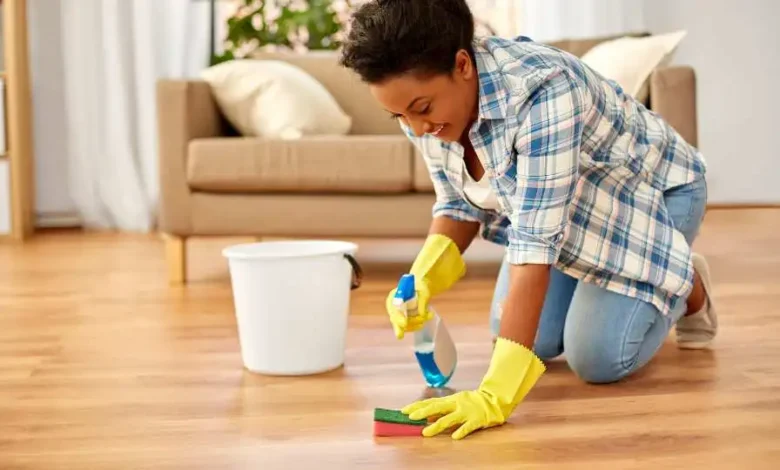
Regularly sweep or vacuum to remove dirt (grit can scratch). Mop with minimal water: a damp mop, not a soaking wet one. The official advice is “not 100% waterproof, so do not use a wet mop”. Instead, wring your mop very well or use special laminate floor cleaners. Wipe up spills as soon as they happen. Never use steam cleaners – the heat and moisture can distort the planks. A gentle cleaner formulated for laminate or vinyl is best for tough spots. Avoid bleach or abrasive cleaners.
Protection
Use furniture pads to prevent dents from chairs or tables. In high-traffic spots, consider area rugs (with non-staining backing). Trim pet nails regularly; even though laminate is scratch-resistant, sharp claws over time can mar the surface. For moving appliances, lay plywood planks or heavy cloth underneath first.
Repair
If a plank is badly damaged, you can pop it out (many systems allow individual planks to be replaced). Keep extra planks from your original purchase. For tiny chips, some brands sell touch-up markers or fillers, but often it’s easier to swap in a new piece. Since laminate is color-varied, try to store a few boxes of your floor in a dry place – older boxes that match exactly.
Comparing Flooring Options
For a quick overview, here’s how waterproof laminate stacks up against luxury vinyl plank (LVP) and engineered hardwood:
| Feature | Waterproof Laminate | Luxury Vinyl Plank (LVP) | Engineered Hardwood |
|---|---|---|---|
| Core Material | High-density fiberboard (wood fiber + resin) | PVC (or stone composite) core, 100% synthetic | Plywood core with a real wood veneer top layer |
| Wear Layer | Acrylic top coat; rated AC3–AC5 (very tough) | Vinyl or SPC protective layer; very durable (often 20–25 mil) | Polyurethane or oil finish over real wood (can scratch, dent) |
| Water Resistance | Water-repellent seals; handles spills but not immersion | 100% waterproof material; can withstand standing water | More water-resistant than solid wood, but will warp if flooded |
| Durability | Very scratch-resistant; good for kids and pets | Extremely resilient; repels most stains; pet-friendly | Prone to scratches/dents; vulnerable to moisture |
| Installation | Click-lock floating floor; fast DIY | Click-lock or glue-down; floating (DIY) | Can be click-lock or nail/glue-down (pro install often) |
| Typical Cost ($/sqft) | $1–$5 | $1–$5 (premium LVP even more) | $5–$10+ (premium) |
| Best For | Living rooms, kitchens, kids’ rooms, basements (moisture-prone areas with quick cleanups) | Bathrooms, basements, kitchens (any wet area) | Bedrooms, formal living rooms, low-moisture spaces |
Conclusion
Waterproof laminate flooring offers the perfect balance between style, durability, and affordability. It gives you the natural look of hardwood while adding extra protection against spills, moisture, and everyday wear. For busy households with kids or pets, it delivers peace of mind without the high price tag of real wood.
That said, it’s important to understand its limits. While modern laminate can resist water for extended periods, it is not designed to handle flooding or constant standing water. If your space is prone to heavy moisture exposure, waterproof vinyl flooring may be a safer long-term option.
So, is waterproof laminate flooring worth it? For most living rooms, kitchens, hallways, and even carefully managed bathrooms, the answer is yes. Just choose a high-quality product, follow installation guidelines, and clean up spills promptly. With the right selection and care, waterproof laminate flooring can transform your home into a space that looks beautiful and feels worry-free for years to come.