Water Heater Expansion Tank Explained: Size, Installation, and Do You Really Need One?

A water heater expansion tank is a small auxiliary tank added to your home’s hot water system to absorb extra pressure when the water heats up. As water warms in a tank-style heater, its volume increases (by about 4% from 40°F to near boiling). In a closed plumbing system with a backflow preventer, that expanding water cannot go back into the street and instead raises the pressure inside your heater and pipes. The expansion tank provides a cushion: when the water in the main tank expands, it flows into the expansion tank and compresses the air bladder inside. This process “alleviates the pressure of thermal expansion by giving the excess hot water a place to go”, keeping pressure in your water heater at safe levels. In short, the expansion tank prevents costly leaks and damage caused by excess pressure.
| Feature | Details |
|---|---|
| Purpose | Relieves excess pressure caused by heated water. |
| Typical Volume | Most homes use 2–5 gallon tanks; smaller 2 gal for ~50 gal heaters, up to 4.5 gal or more for larger systems. |
| Installation Point | On the cold water feed near the heater (off the ground and above it). |
| Lifespan | Roughly 5–10 years with maintenance. |
| Cost | Tank alone costs about $40–$200; installation $50–$150. |
What Is an Expansion Tank?
Definition and Purpose
A water heater expansion tank (also called a thermal expansion tank) is essentially a small pressure vessel installed on the cold-water inlet to your heater. Inside it has a rubber diaphragm or bladder that separates air from the water. As the heater warms water, the extra volume pushes into the tank, compressing the air cushion. This thermal expansion action keeps the system pressure from spiking. In effect, the tank absorbs the volume of heated water, preventing the main tank’s pressure from rising too high.
Thermal Expansion and Pressure
When water in a closed system heats up, its molecules move faster and spread out, increasing volume. If you have a closed plumbing system (with a check valve or pressure regulator on the supply), that expanding water has nowhere to escape. Instead, without an expansion tank the pressure would build inside the heater and pipes, leading to leaks or even bursts. The expansion tank prevents this by giving the extra heated water a place to go. As seen in the diagram below, the tank connects to the cold inlet so expanding water flows directly into it, compressing the air and relieving pressure.
Why Use an Expansion Tank?
Protecting Your System
In many modern homes, one-way check valves or pressure-reducing valves keep city water separate from household plumbing. This is good for safety, but it also traps expansion inside your home’s system. In this setup, an expansion tank is essential. Industry experts explain that thermal expansion “increases pressure in modern closed plumbing systems,” making the expansion tank “essential to prevent damage” to pipes, valves, and the heater itself. By absorbing surges, it protects vulnerable joints, seals and the water heater from undue stress. One guide notes that expansion tanks “limit excess pressure build-up in water heaters,” which helps avoid burst fittings and leaks.
Preventing Water Hammer and Leaks
Beyond protecting fixtures, an expansion tank also prevents water hammer and dripping relief valves. For example, a frequent symptom of excess pressure is a constantly dripping Temperature & Pressure (T&P) relief valve or loud banging in the pipes. An expansion tank absorbs these pressure spikes, smoothing out the water flow. In practice, having one installed can spare you constant plumbing repairs. As one plumbing expert puts it, installing an expansion tank provides a low-cost solution that shields your plumbing system from expensive failures.
Do I Really Need an Expansion Tank?
Do I really need an expansion tank on my water heater?
Whether you need an expansion tank depends on your system. If your water heater uses a storage tank and your home has backflow prevention (making it a closed system), then yes – an expansion tank is strongly recommended. In fact, a plumbing columnist bluntly answers “In short, yes” under those conditions. Without it, every heating cycle drives pressure into your heater and pipes. On the other hand, if your home uses an open system or a tankless (on-demand) heater, expansion tanks are usually not required. Most modern tankless units have built-in pressure management, and older open systems can dump excess water back to the supply.
Signs You Need an Expansion Tank
How can you tell if your system needs one? Watch for clues of pressure stress. Common warning signs include a constantly dripping T&P relief valve, fluctuating water pressure, or loud pipe banging. You might notice worn-out washers or faucets leaking more often. These symptoms mean your plumbing is under excessive pressure. If you observe them, adding an expansion tank is a smart move to relieve the strain and protect your system.
Selecting the Right Expansion Tank
How big of an expansion tank do I need for my water heater?
Choosing the correct size is crucial. As a rule of thumb, most residential systems use a 2 to 5 gallon tank. For example, one source advises that a standard 40–50 gallon water heater at 60–80 PSI can use a 2‑gallon expansion tank; larger heaters or higher pressures generally require a 4.5 gallon model or more. In general, bigger heaters and higher supply pressures mean you should go with a larger tank.
Determining the exact size involves a few simple steps:
-
Check your heater’s capacity: Find the gallon volume on the heater’s sticker.
-
Measure your water pressure: Use a pressure gauge to read the typical home pressure.
-
Measure temperature rise: Note the inlet (cold) and outlet (hot) water temperatures. The greater the rise, the more expansion volume you have.
-
Use a sizing calculator: Plug these values into a manufacturer’s expansion tank calculator (many brands like Amtrol or Watts offer online tools). This gives the recommended tank volume for your specific setup.
Installing an Expansion Tank
Where should a water heater expansion tank be installed?
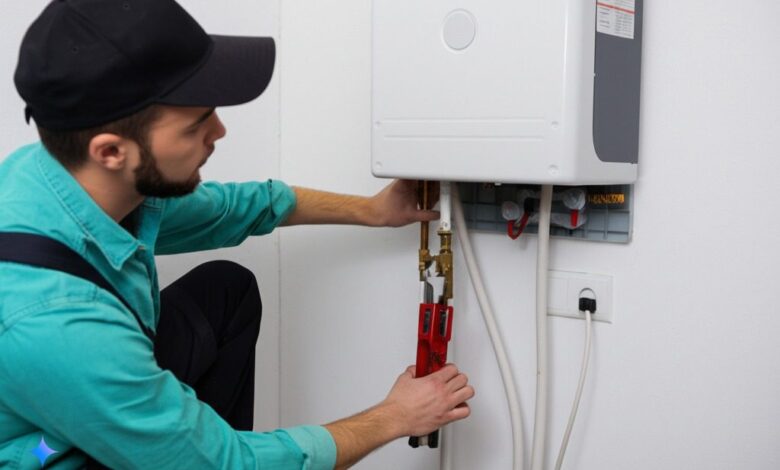
Location matters. The expansion tank should mount on the cold water line feeding the heater, as close to the heater inlet as practical. In other words, tee it into the cold-water supply pipe right before it enters the heater. Placing it here means all the expanded hot water will flow immediately into the tank. Many installers hang the tank off the ceiling or a wall above the heater, which saves floor space and makes gravity work in your favor. Just be sure it is easily accessible for maintenance and inspection.
Proper Mounting and Support
Once you’ve chosen a spot, secure the tank properly. A full expansion tank can get quite heavy (filled mostly with water), so it usually requires sturdy support. One plumbing guide warns that these tanks “become quite heavy when filled with water, especially larger models”. Use a strong bracket, strap, or platform to hold the tank – this prevents stress on the plumbing connections. Also, adjust the tank’s air pre-charge to match your home’s water pressure (you can use a bicycle pump or air compressor). The manufacturer normally sets this pre-charge to around 40–60 PSI; double-checking and adjusting it ensures the tank will work properly with your system pressure.
Maintenance and Troubleshooting
Routine Checks
Like any pressure vessel, an expansion tank benefits from periodic inspection. About once a year, remove the little cap on its air valve (it looks like a tire valve) and attach a pressure gauge. The reading should match your normal water pressure (for many homes, that’s 40–60 PSI). If it’s much lower, add air until it’s equal to the water pressure. Also visually inspect the tank and nearby pipes. Look for rust spots or wetness: corrosion or water on the outside can indicate the bladder has failed internally.
If your tank is more than 5–10 years old or shows signs of failure, consider replacing it. A bad bladder means the tank no longer cushions pressure. In such cases, water often fills the tank completely and the air side loses pressure. You’d then see symptoms like the relief valve dripping or persistent water hammer – clear signs it’s time for a new tank.
Common Problems
If something goes wrong, here are the usual culprits:
-
Bladder failure: If the rubber bladder ruptures, water fills the tank and you lose the air cushion. You may hear constant hammering or see the pressure relief valve drip. The fix is to replace the tank (rubber bladders can’t be easily serviced).
-
Improper air charge: A tank with too much or too little air won’t work well. (Too much air means water won’t easily push in; too little means it fills up completely.) Check and adjust the air charge as needed.
-
Leaks: An expansion tank is sealed and shouldn’t leak. If you spot moisture at its fittings or base, the tank itself is compromised and should be replaced.
-
Wrong size or orientation: If the tank is undersized or not on the cold inlet, it may not relieve pressure effectively. Ensure you’ve used the correct size and installed it correctly to avoid troubles.
Advantages and Drawbacks
Advantages
An expansion tank offers several big benefits. It protects your water heater and plumbing by absorbing pressure surges. This extends the life of the heater and fixtures. For example, one guide notes expansion tanks “protect the health of your water heater and pipes” and prevent bursts and leaks. In practical terms, it helps maintain even water pressure and prevents banging noises, giving you more reliable hot-water delivery. Over time, this translates to savings: by preventing leaks and appliance failures, it reduces repair costs and delays the need for new equipment.
| Benefits | Drawbacks |
|---|---|
| Prevents pressure spikes and system damage | Requires space and sturdy mounting (filled tanks are heavy) |
| Extends the life of the heater and pipes | Added cost (tank + installation) |
| Eliminates relief-valve drips and water hammer | Must be maintained (periodic pressure checks needed) |
| Stabilizes water pressure during use | Failure usually means full replacement |
Drawbacks and Considerations
On the flip side, expansion tanks do have some downsides. They take up space and need support – a large tank filled with water can weigh over 50 lbs. As one note puts it, these tanks “can become quite heavy when filled,” so proper mounting is crucial. They also add cost and complexity: a decent 2–4.5 gallon tank runs $40–$200, and hiring a professional to install it adds labor expense. If the bladder fails, you can’t just refill it with air – the whole tank must be replaced. Finally, an improperly charged or oriented tank can cause more problems than it solves. For these reasons, be prepared to inspect the tank periodically and include its installation in your plumbing plans.
Conclusion
In summary, a water heater expansion tank is a small investment that can pay off in big ways. For any home with a closed plumbing system and a storage-style heater, it’s an inexpensive safeguard against pressure-related damage. By absorbing the extra volume of heated water, the tank keeps your system running smoothly and protects against leaks or bursts. Remember to size it correctly and install it on the cold inlet, and to check its pressure now and then. Overall, the low cost of an expansion tank is usually far less than the expense of fixing a burst heater or plumbing repair. With proper maintenance, an expansion tank will give you many years of trouble-free service.