Expert Guide to Plumbing Installation: Systems, Types, and Steps

For many homeowners, running a faucet or flushing the toilet happens without a second thought — until a leak or clog suddenly ruins the day. That’s why a proper plumbing installation is crucial: it ensures clean water flows in reliably and wastewater goes out safely. In this friendly guide, we’ll explain what plumbing really is, the three main types of plumbing systems, and the step-by-step process of installing plumbing in a home or building. Whether you’re a DIY enthusiast or planning a renovation, this expert guide will help you understand everything you need for a successful plumbing project.
| System Type | Primary Function | Key Components |
|---|---|---|
| Potable Water | Deliver fresh, drinkable water | Supply pipes, shut-off valves, water heater |
| Sanitary Drainage | Carry wastewater away from fixtures | Drainpipes, P-traps (traps), vent pipes |
| Stormwater Drainage | Remove rainwater/runoff from property | Gutters, downspouts, catch basins, storm drains |
Understanding Plumbing and Installation
What is plumbing?
What is called plumbing? In simple terms, plumbing is the network of pipes and fixtures that brings fresh water into a building and carries sewage or waste water out. It delivers potable water to sinks, showers, faucets, and appliances, then removes dirty water via drains and sewer lines. Good plumbing keeps our homes clean and functional. For example, without plumbing, we’d have to haul water by bucket and use outdoor privies! Proper plumbing is what lets us turn on any tap for water without worry.
Plumbing Installation Meaning
Ever asked what is the meaning of plumbing installation? It’s basically the process of setting up the entire plumbing system in a building. This includes installing supply lines (for clean water), drain lines (for waste water), and all fixtures (sinks, toilets, showers, etc.). In other words, plumbing installation means carefully installing pipes and fixtures so that water flows where it should and leaks are prevented. This covers everything from connecting the main water line to hooking up your kitchen sink. Proper planning of the pipe layout and connections is a crucial first step to ensure everything stays clean and leak-free.
Types of Plumbing Systems
Every building typically has three main plumbing systems. What are the three types of plumbing? They are: (1) Potable Water Supply, (2) Sanitary Drainage, and (3) Stormwater Drainage. Each system has a distinct purpose:
Potable Water System
This system supplies clean, drinking water throughout the home. It includes all the incoming water lines from the municipal source or well. Key parts are the main water line, pressure regulator (if needed), shut-off valves, and the network of pipes distributing hot and cold water to each fixture. Materials like PEX tubing or copper are often used because they won’t contaminate the water and can handle pressure and heat. A well-installed potable water system ensures you always have fresh water on demand — whether you’re filling a glass or taking a shower.
Sanitary Drainage System
The sanitary drainage system removes wastewater from sinks, toilets, showers, and appliances. This network of drainpipes carries dirty water out to the sewer or septic tank. Important components include P-traps (the U-shaped bends under each drain that hold water to block sewer gases) and vent stacks that run up through the roof to release gases. Every drain must have a proper slope (usually about 1/4-inch per foot) so wastewater flows out by gravity. In this system, gravity alone moves waste downward; improper installation can lead to backups or bad odors. Proper sanitary plumbing prevents waste from coming back into the home.
Stormwater Drainage System
The stormwater system handles rainwater and runoff, keeping it away from the building’s foundation. It includes gutters along the roof edges, downspouts, storm drains, and catch basins on the property. This system is completely separate from the sanitary sewer. By capturing rainwater and directing it to storm sewers or soakaways, stormwater plumbing prevents flooding and water damage during storms. For example, in many areas you must install rainwater drains or anti-backflow devices to meet building codes. Well-designed stormwater plumbing protects your home during heavy rains and often requires less maintenance than sewage lines because it only carries rain, not household waste.
Step-by-Step Guide to Plumbing Installation
Now let’s walk through what are the steps in installing a plumbing system. Whether you’re doing a remodel or new construction, following the proper sequence is key to avoiding mistakes. Here are the major steps:
Planning and Design
Everything starts with a plan. Draw a plumbing blueprint that shows where each fixture (sink, toilet, shower, appliance) will go and where supply/drain lines will run. Calculate pipe sizes and elevations to meet code (for example, larger pipes for multiple fixtures). A good plan follows local plumbing codes and accounts for slopes, venting, and pressure. For instance, sizing pipes correctly in the design phase helps avoid problems like low water pressure or clogged drains later. Also, always call your utility’s “call before you dig” number (811 in the US) before trenching to avoid underground cables or pipes.
Rough-In Supply Lines
Next, install the water supply lines into the framing (before walls go up). Run cold and hot water pipes (often PEX tubing or copper) from the main source to each fixture location. Install shut-off valves at each fixture and pressure regulators if needed. Secure pipes to studs and ensure they remain level. Once all supply pipes are in place, pressure-test them for leaks: fill the system and check each joint. Fix any leaks now, because once the drywall is closed, repairs are much harder.
Rough-In Drain and Vent Lines
Around the same time as the supply work, install the drain and vent lines. Run drainpipes from each fixture down to the building’s sewer or septic connection. Install vent stacks that rise up through the roof to allow air into the drainage system. Keep all horizontal drain lines sloped (about 1/4-inch per foot) so wastewater flows by gravity. Install P-traps under sinks and other drains (these traps hold water to seal out sewer gas). If possible, include cleanout access points in the drain layout for future maintenance. This rough-in stage is critical: proper drains and vents prevent future backups and odors.
Installing Fixtures
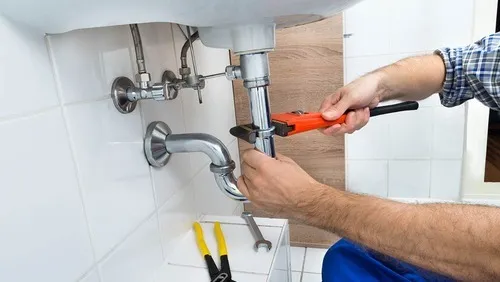
With the rough plumbing in place, you can now set up the fixtures. Mount sinks, vanities, toilets, showers, and tubs into their final positions. Connect the water supply lines to each faucet and fixture using appropriate fittings (flexible braided hoses are common). Attach the drains and P-traps to the fixture drains. Install faucets, showerheads, and appliances (dishwashers, washers) onto their plumbing connections. Make sure all fixtures are firmly secured (for example, anchor the toilet to the floor).
Testing and Finishing
Finally, test the whole system thoroughly. Turn on water at each tap and fill every fixture, watching carefully for leaks at pipes and joints. Flush toilets, run showers, and check sinks for proper drainage. If you find any leaks or drips, fix them immediately. Once everything passes the tests, finish the job: seal around tubs and sinks with caulk or trim as needed, and cover any open walls or floors. Obtain any required plumbing inspections before covering up the walls. This final inspection ensures the installation meets code and will keep water flowing without surprises.
Materials, Costs, and Considerations
Choosing quality materials and budgeting wisely are key. Here’s a comparison of common pipe options:
| Pipe Material | Lifespan | Approx. Cost per Foot |
|---|---|---|
| PEX Tubing | 25–40 years | $0.50 – $1.50 |
| PVC (Plastic) | 30–50 years | $0.40 – $2.00 |
| Copper | 50+ years | $3.00 – $8.00 |
Copper is very durable and handles heat well, but it’s expensive and requires soldered joints installed by a pro. PEX is flexible and easy to work with (often color-coded for hot/cold lines) and is cheaper, though it can’t be exposed to sunlight. PVC is the cheapest and great for drains/vents, but it can’t be used for hot-water supply.
As for cost, a full plumbing installation in an average U.S. home typically runs on the order of $8,000 to $20,000. (Major factors include house size, number of fixtures, type of finish fixtures, and whether labor is DIY or hired.) Keep in mind: cutting corners to save a few bucks often leads to expensive leaks or code issues later. It’s usually worth investing in good pipes and a qualified plumber up front.
Conclusion
A well-executed plumbing installation is truly the foundation of a healthy, functioning home. Done right, it ensures clean water flows in and waste goes out safely. With careful planning and quality workmanship, your new plumbing system can serve your home for decades with minimal headaches. Remember the steps: plan it out, rough in the pipes, install fixtures carefully, and test every connection. Follow these tips and local codes, and you’ll have a trouble-free plumbing system to enjoy for years to come.
FAQs
What is plumbing installation?
Plumbing installation refers to setting up all the pipes, fittings, and fixtures needed to bring water in and send waste out of a building. In practical terms, it means installing water supply lines, drain lines, sinks, toilets, and appliances so they work together. It’s not just tightening a faucet – it’s the whole project of building the home’s plumbing network from the ground up.
What are the three types of plumbing systems?
The three main types are potable (water supply), sanitary (drainage), and stormwater (rain) systems. Potable brings fresh water in, sanitary drains waste out, and stormwater handles rain runoff. Each is separate but essential. Together they manage every drop of water in a home – delivering clean water where needed and carrying waste or rainwater safely away.
What are the steps to install plumbing?
First comes planning and design (mapping out pipes and fixture locations). Next is roughing in supply lines (installing the main hot and cold water pipes). Then rough in drains and vents (install sewer pipes and vent stacks). After that, install fixtures (hook up sinks, toilets, showers, etc.). Finally, testing (running water to check for leaks). Each step builds on the last. For example, you can’t test fixtures until the supply and drain pipes are in place.
What is called a plumbing system installation?
A plumbing system installation is just another way to say the plumbing installation for a whole building. It means fitting together all parts of the water system – cutting/joining pipes, installing fixtures like sinks or tubs, and adding vents and traps. In short, it’s assembling the entire plumbing network so water flows in at faucets and out through drains. Think of it as the comprehensive installation of an entire home’s plumbing setup.
Is it better to DIY or hire a professional?
For small jobs (like replacing a sink faucet), DIY can save money. But a full plumbing installation is complex. Pros know the building codes, have the right tools, and can prevent mistakes. A small leak from a DIY mistake could cause major damage. In most cases, hiring a licensed plumber for big projects is safer and wiser. They’ll ensure your plumbing installation is done right the first time, which saves you stress and potential repair costs later.