How Much Does a New Furnace Cost? Installation Prices and Replacement Breakdown
New Furnace Cost

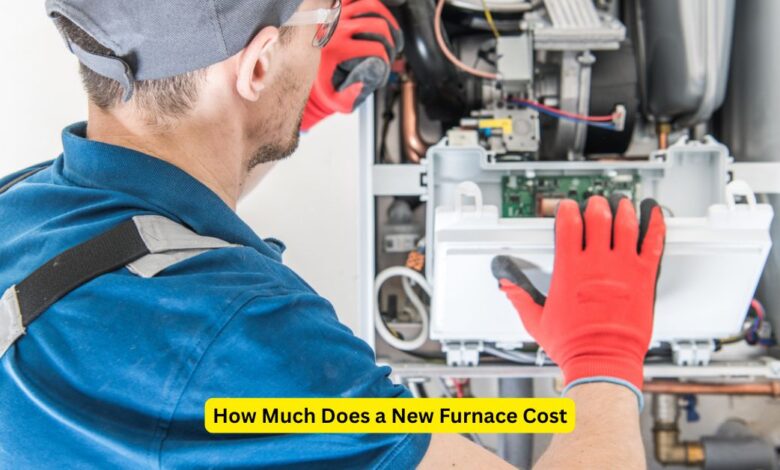
Planning a heating upgrade means asking yourself a big question: how much does a new furnace cost? Whether your old heater finally gave up or you’re buying new for the first time, knowing the numbers helps. In this guide, we’ll break down typical new furnace cost ranges by fuel type and home size, explain installation fees, and share money-saving tips. We’ll answer those burning questions, like how much a new furnace unit costs and how labor and extras add up to your total bill.
| Furnace Type | Average Installed Cost |
|---|---|
| Electric | $2,000–$7,000 |
| Natural Gas | $3,800–$10,000 |
| Oil | $6,750–$10,000 |
| Propane | $3,700–$14,200 |
Above is a quick snapshot of typical prices (including installation) for each furnace fuel type. Electric furnaces often come cheaper upfront, while oil and propane models are at the higher end. Natural gas models land between them and are the most common choice. Of course, the cost of a new furnace and installation can still swing up or down based on local labor rates, home size, and efficiency.
Key Factors Impacting New Furnace Cost
Several factors determine your final price tag. Generally, home size & BTUs matter: larger homes need more heating power, which means a bigger (and costlier) furnace. For instance, Angi data show a 2,000 sq. ft. home (about 60,000–120,000 BTUs) might spend $2,400–$4,000 installed, whereas a 5,000 sq. ft. The home’s furnace can cost $6,000–$10,000.
-
Home Size & BTUs: Bigger houses require furnaces with higher BTU output. Think of it like an air conditioner for a house: a mall needs a much bigger AC than a food truck.
-
Efficiency (AFUE): Think of AFUE like a car’s MPG: higher AFUE means more heat per dollar of fuel. High-efficiency furnaces (90–97% AFUE) cost more up front but save you money on fuel, while lower-efficiency models are cheaper initially but burn more fuel.
-
Fuel Type: Gas vs. electric vs. oil makes a big difference. For example, a natural gas furnace averages about $3,800–$10,000 installed, whereas an electric furnace costs around $2,000–$7,000. In practice, gas is often cheapest to run (and is used in ~58% of homes), while electric heats often cheaper up front but costs more to run. Oil and propane units typically cost even more due to extra hardware like tanks or lines. For context, gas furnace replacement cost often falls around $3,500–$15,000 (equipment plus installation).
-
Location: Labor and permit fees vary by region. In high-cost areas (CA, NY, etc.), a basic furnace installation can exceed $5,000. Also, in very cold climates, a high-efficiency furnace often pays off, while in mild regions a standard model may be enough.
-
Installation Complexity: New ductwork, venting, or electrical upgrades drive costs up. For example, installing new ductwork can add $2,000–$5,000 to the project. Any major changes (replacing vents, adding gas lines, etc.) will push the price higher.
-
Labor & Permits: Installing a furnace typically costs $75–$100 per hour. A furnace swap often takes 8–12 hours of labor (removal, hookup, testing). These labor fees (plus about $100–$500 for permits) make up the main part of your furnace installation cost. Altogether, labor and fees usually add roughly $800–$2,000 on top of the unit price.
-
Rebates & Incentives: Check for tax credits and utility rebates on high-efficiency models. Federal tax credits and local programs can trim the bottom line on expensive furnaces. (Use ENERGY STAR and local efficiency program websites to search for deals.)
For a snapshot, the table below shows how these components typically stack up in a furnace replacement project:
| Cost Component | Typical Cost |
|---|---|
| Equipment (new furnace unit) | 40–60% of total |
| Labor (installation) | 30–50% of total |
| Permits & Inspection | $100–$500 |
| Ductwork & Modifications (if any) | $500–$3,000 |
| Efficiency Upgrades (optional) | $500–$2,500 |
| Average Total Installed | $5,000–$15,000 |
This table comes from industry data. As you see, the furnace itself is often half or more of the bill, with labor and extras making up the rest. If you’re on a tight budget, you might choose a standard 80% AFUE model to save $1,000 up front, or postpone big ductwork until later.
How Much Is a New Furnace Unit?
Sometimes homeowners ask, “How much is a new furnace?” (equipment only). Here are typical unit costs:
-
Basic Gas Furnace (80–90% AFUE): $1,000–$2,500.
-
Mid-Efficiency Gas (90–95% AFUE): $2,000–$4,000.
-
High-Efficiency Gas (96%+ AFUE): $4,000–$7,000.
-
Electric Furnace (Coil Unit): $1,000–$3,500 (some large models up to $4,000).
These are just furnace equipment prices; installation will roughly double or triple them. Remember: once you add installation, labor, and permits, the total project cost will be about 2–3 times higher (see the earlier estimates). Think of it like buying a car: opting for a luxury trim (high-efficiency features) costs more on the sticker price, but it can save on “fuel” (energy) over time.
Saving Money on Your New Furnace

A few smart strategies can trim your furnace replacement cost: In practice, combining smart timing with local rebates can save hundreds. For example, some contractors run discounts in spring or fall (off-peak season), and utility rebates are often seasonal.
Check for Rebates & Tax Credits
Energy incentives for efficient furnaces are common. (See ENERGY STAR or local utility programs for deals.) Even a $150–$500 credit can cover the cost of a smart thermostat or blower upgrade.
Shop Around
Prices can vary widely. Get 2–3 quotes from reputable HVAC contractors to compare. Mention if you’re replacing both the furnace and AC—they might give a package deal.
Off-Peak Timing
Scheduling installation in late spring or early fall often means faster service and lower rates. Avoid the frenzy of winter when possible.
Right Efficiency & Size
Don’t overspend on features you don’t need. A 96% AFUE model is great if winters are brutal; in a mild climate, an 80–90% AFUE furnace might suffice. Similarly, avoid oversized units—wasting money on unneeded capacity. Proper sizing is key.
Maintenance
Regular tune-ups ($60–$150 a year) and filter changes keep a furnace efficient. Neglecting maintenance can cause breakdowns and shorten the lifespan, raising your long-term furnace replacement cost.
Furnace Lifespan and Replacement Timing
Finally, consider how long a furnace lasts. Most furnaces run about 15–20 years under normal use. Some electric models can exceed 20 years, but by then, efficiency is low. On average, Angi notes furnaces last around 20 years – so a $6,000 furnace is roughly $300 per year over its life (not counting fuel). If your unit is 15–20 years old, plan for replacement soon.
When that time comes, the furnace replacement cost (unit + install) usually runs $4,000–$8,000 on average. Don’t wait for a total breakdown: leaks of carbon monoxide or ballooning gas bills are signs it’s time. It’s wise to budget in advance, especially since emergency installs in winter can be $1,000–$2,000 more than planned quotes.
Conclusion
A new furnace is a major investment, but with this information, you can budget wisely. You now know how much a new furnace costs by type and what drives those costs. Think of your furnace as the engine for home comfort: picking the right size and efficiency is like choosing the right horsepower. Even if a high-efficiency model costs $1,000 more, that extra cost often pays off—for example, it might save $150–$200 per year in fuel, essentially rebating that cost over time. Also, remember that furnace installation is technical work: hiring a licensed HVAC pro will ensure your system is installed safely and efficiently, protecting your investment. Good luck, and stay toasty warm!