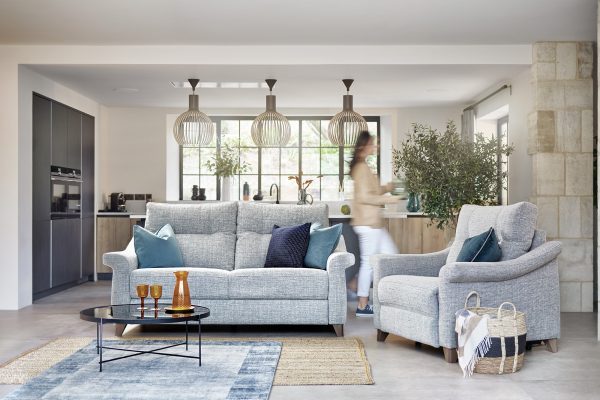
The most comfortable sofa for your home isn’t one-size-fits-all. Settling into a cozy couch after a long day should feel blissful, and a few key factors – cushion fill, seat depth, frame quality, and upholstery – determine that comfort. In this guide, you’ll learn what to look for when choosing a sofa that feels like it was made just for you.
| Feature | Why It Matters |
|---|---|
| Seat Depth | Deeper seats invite full lounging; moderate depth keeps feet on floor and back supported. |
| Cushion Firmness | Medium-firm cushions maintain spine support and hold shape over time. |
| Frame & Support | Solid hardwood frames and quality springs prevent sagging and keep the sofa springy. |
| Upholstery Fabric | Soft fabrics (velvet, microfiber) feel cozy; performance weaves resist stains. |
| Extras | Recliners, chaise lounges, and adjustable backs add personalized comfort. |
What Makes a Sofa Comfortable?
Comfort comes from a synergy of design and materials that fit you. A truly comfy sofa lets you sink in without strain.
Seat Depth & Support
One key factor is seat depth: very deep seats encourage full lounging, while moderate depth ensures your feet can touch the floor and your back is fully supported.
Cushion Fill & Softness
Cushion fill is crucial too. A common “comfort recipe” is a firm high-density foam core topped with a soft fiber or down wrap, providing support plus sink-in softness.
Frame & Structure
A sofa’s frame and suspension are its skeleton. Sturdy, kiln-dried hardwood frames and quality springs or webbing keep a sofa feeling springy. Cheap frames (like thin plywood) can sag over time, leading to lumps and discomfort.
Fabrics & Upholstery
Finally, upholstery affects comfort. Plush fabrics like velvet or chenille feel soft, while durable performance fabrics resist stains. Leather couches start out firm but quickly mold to your body for a buttery softness. Choose a cover that feels good to you and fits your lifestyle needs.
What is a Comfy Sofa?
A comfy sofa is one that matches your body and habits. It typically has the right blend of softness and support for your frame – for example, extra-deep padded seats and high backs if you like to lounge, or firmer cushions and tighter support if you sit upright. The coziest couch is the one you want to sink into. Comfort really is personal, so the perfect sofa for one person might not suit another.
Most Comfortable Sofa Materials
Different upholstery and fill materials create different comfort experiences. Let’s look at fabric, leather, and fill options:
Fabric Options (Microfiber, Velvet, etc.)
Soft fabrics make a sofa feel cuddly. Microfiber and chenille feel plush and often come in stain-resistant weaves. Velvet is ultra-smooth and luxurious but can show marks easily. Cotton/linen blends are cool and breathable but wrinkle more. Overall, performance fabrics that combine softness with durability are popular for both comfort and practicality.
Leather Seating
Leather sofas offer a different comfort profile: initially firm and cool, high-quality leather warms to your body and becomes supple. Leather is very durable and can be quite comfortable once broken in. It doesn’t give the same “sink-in” feeling as a down-covered cushion, but many find the firm, supportive feel of leather couches very comfy.
Cushion Fillings (Foam vs. Down)
Under the fabric, the fill makes the seat feel soft or firm. High-resilience foam cores give structure and bounce, while down or fiber tops add that cloud-like softness. Many sofas use a combination – for example, foam blocks wrapped in down-alternative – to achieve both support and plush comfort.
What is the Comfiest Sofa Material?
There’s no single “best” material – it depends on how you sit. Many experts suggest the foam-plus-down approach. For upholstery, performance fabrics like microfiber often rate highly for feeling soft and resisting stains. The table below summarizes common options:
| Material | Feel | Durability | Care |
|---|---|---|---|
| Velvet (fabric) | Very soft, luxurious | Moderate | High maintenance (brush, spot-clean) |
| Microfiber | Soft and cozy | High | Easy care (machine-washable covers) |
| Leather | Firm but supple | Very high | Requires conditioning; very durable |
| Linen/Cotton | Cool, natural texture | Moderate | Prone to stains/wrinkles; washable covers help |
Table: Common sofa materials compared on comfort and upkeep. For example, microfiber feels soft and often resists stains, while velvet scores high on softness but is tougher to maintain.
Top Comfortable Sofa Brands
No single brand makes the most comfortable sofa, but some names frequently come up in comfort reviews:
Popular Comfort Models
-
West Elm (Harmony) – Down-blend cushions and a low, loungey platform give a “sink-in, cloud-like” feel.
-
Joybird (Bryant) – Features very deep, soft foam seats, perfect for sprawling.
-
Cozey (Ciello) – A balanced soft/firm feel that many reviewers call just right.
Budget-friendly brands like IKEA and Article also make surprisingly cozy couches, though typically with simpler construction.
Luxury vs. Budget Options
Luxury lines (American Leather, Bradington-Young, etc.) often use top-tier materials for plush comfort (at a premium price). More affordable brands achieve comfort by optimizing foam and cushion design. In other words, you can find comfortable sofas at any budget – it comes down to what you want (plushness vs. price) and testing which feels best for you.
Below is a quick comparison of some standout models:
| Model (Brand) | Comfort Notes | Price (approx.) |
|---|---|---|
| West Elm Harmony Sectional | Oversized down-blend cushions | ~$2,878 (chaise sectional) |
| Joybird Bryant Sectional | Ultra-deep, soft foam seats | ~$4,262 |
| Cozey Ciello Sectional | Soft/firm Goldilocks balance | ~$2,160 |
How to Choose a Comfortable Sofa
Buying a sofa is like matchmaking – take your time to find the one. Here are the essentials:
In-Store Testing
Whenever possible, try it out in person. Sit, lean back, and even stretch out as you would at home. If a salesperson minds, they might not be confident in the couch. You want a sofa you can imagine living on every day – so test it like it’s yours.
Space & Fit
Measure your room and entryways carefully. A sofa that’s too large will overwhelm the space and feel awkward to sit in. In small rooms, choose a model with slim arms or a tighter profile so you can lean back or curl up comfortably. Also make sure the seat height and depth suit your body (feet flat on the floor, knees at about 90 degrees).
Support & Specs
Look beyond the cushions. Ask about the frame and suspension – opt for kiln-dried hardwood frames and sturdy springs or webbing if you can. Check the cushion fill (high-density foam over polyfill is better than cheap polyfoam alone). A solid construction ensures the sofa stays comfortable for years.
Warranty & Returns
Check the return policy and warranty terms. Many companies now offer a 30-day trial or satisfaction guarantee. Take advantage of these – knowing you can swap the sofa if it doesn’t feel as comfy as expected provides peace of mind. Also check the warranty coverage for frame and cushion support.
Maintaining Your Sofa’s Comfort

A bit of care goes a long way in preserving that “just bought” feel:
Cleaning & Care
Keep the upholstery clean. Vacuum regularly to remove dust and crumbs, and treat spills immediately. Many microfiber and performance fabric covers are removable and machine-washable. For leather sofas, wipe with a damp cloth and apply conditioner occasionally to keep the leather supple.
Cushion Maintenance
Rotate and fluff your cushions weekly so they wear evenly. Plump any down/feather inserts to restore loft. If a foam cushion starts to sag, try flipping it or adding a thin high-density foam pad underneath for extra support.
Conclusion
Finding the most comfortable sofa means matching design to you. Focus on how it feels – the seat depth, cushion firmness, and upholstery should match your comfort needs. Always test sofas thoroughly (and use any trial periods if available) before committing. Comfort is personal, so use these tips to land on a couch that feels just right for you. Happy lounging!
Frequently Asked Questions
Which sofa brands are known for comfort?
Brands like West Elm and Joybird are often praised for their cozy models. Many other manufacturers also make comfortable sofas – it usually comes down to the specific design and your personal needs.
What is the best material for a comfy sofa?
Many comfort experts recommend a firm foam core wrapped in a soft fiber/down fill. For upholstery, performance fabrics (like microfiber) feel soft and often resist stains. Leather can also be cozy once it warms to your body. Ultimately the “best” material depends on how you sit and what spills or wear you expect.
How can I tell if a sofa will be comfortable before buying?
In-store testing is key: sit on it exactly as you would at home. Check that the dimensions fit your body (feet flat, back supported). Then use any available trial period at home to be sure it’s right for you.
What features make a sofa very comfortable?
Look for deep, well-supported seats with quality cushions. Extra features like reclinable backs or built-in chaise sections can add comfort. Soft, breathable upholstery (especially with washable covers if you have pets or kids) is also a plus.
How should I maintain my sofa to keep it comfortable?
Clean up spills quickly and vacuum often. Rotate and fluff cushions regularly to prevent flat spots. For leather sofas, use conditioner occasionally to keep the leather supple. With a little upkeep, your sofa will stay cozy for years.