How to Unclog a Drain: A Complete Step-by-Step Guide That Actually Works

Dealing with a clogged drain can feel like a mini-crisis at home. Water backs up in the sink or tub, you smell something foul, and the problem can ruin your day. The good news? How to unclog a drain is a question with many easy answers. Most clogs can be cleared without calling a plumber. Using simple tools and household items, you can get that water flowing freely again.
Drains usually block up because of everyday debris. In the kitchen, grease, oil, and bits of food slowly cling to the pipe walls. Over time, these layers can shrink the pipe’s opening. In the bathroom, hair and soap scum mix into a sticky clump that won’t let water pass. Think of your drain like a tunnel: at first water runs smoothly, but as grime builds up, the tunnel narrows until flow stops. Understanding this helps you pick the right method to clear it. For example, grease dissolves with heat, while hair often needs to be fished out or snaked.
Many quick fixes come from professional plumbers and manufacturers. They agree: start with gentle DIY methods and reserve harsh chemical cleaners for last. For instance, a Roto-Rooter guide recommends beginning with boiling water for grease clogs. If that fails, try household items like baking soda and vinegar. Mechanics like plungers and drain snakes should also be your go-to tools. In contrast, chemical cleaners often cause more harm than good; experts warn they corrode pipes, kill septic bacteria, and even cause burns.
Here’s a quick overview of what you’ll learn in this guide:
| Category | Details |
|---|---|
| Common Clog Causes | Grease, hair, soap scum, food scraps |
| DIY Tools/Remedies | Hot water, plunger, baking soda/vinegar |
| Advanced Tools | Drain snake (auger), P-trap removal |
| Chemical Cleaners | Sodium hydroxide (lye), acids (avoid) |
| Prevention Tips | Strainers, hot water flushes, screen |
| Signs to Call a Plumber | Multiple backups, recurring clogs |
Unclogging Basics: Simple First Steps
Before grabbing any tool, try the easiest fixes. Often, the first attempt will solve common clogs without any fuss.
- Run Hot Water: Simply turning on the kitchen tap with the hottest water for a minute can dissolve minor grease clogs. The Roto-Rooter guide notes boiling water is “great for dissolving minor grease and soap clogs in kitchen and bathroom sinks”. Pour boiling water down the drain in two or three stages, allowing it a few seconds to work between pours. This method works best for greasy buildups but avoid it for plastic pipes (hot water can warp PVC).
- Add Dish Soap First: For kitchen drains, try squirting a few tablespoons of grease-cutting dish soap down the drain before pouring hot water. The soap helps cut through the oil, making the heat flush it away. This trick isn’t often cited in formal guides, but many DIY experts swear by it for greasy sink clogs.
Method 1: Plunge It Out
Use a Plunger to Dislodge the Blockage
A plunger is usually the simplest tool for a stubborn clog. It uses suction and pressure to force the clog down the pipe. Here’s how to do it:
- Set Up: If plunging a sink, block any overflow hole with a wet rag to keep pressure. Fill the sink or tub with enough water to cover the plunger’s cup. The water helps seal the plunger against the drain.
- Position and Seal: Place the plunger directly over the clogged drain, ensuring a tight seal. If you’re plunging a double sink, seal the other drain or cover it; otherwise, the air will escape and the plunger won’t work effectively.
- Pump: Push down firmly and then pull up sharply. Repeat this up-and-down motion about 20-30 times. You’ll feel suction and perhaps hear sloshing. Stay rhythmic but don’t splash water everywhere.
- Check and Repeat: Lift the plunger off and see if water starts to drain. If not fully clear, repeat the process. Sometimes it takes a couple of tries before the clog moves.
Method 2: Chemical-Free Fizz – Baking Soda & Vinegar
Natural Cleaning for Organic Buildup
Baking soda and vinegar is a classic home remedy that creates a fizzy cleaning reaction. It’s environmentally friendly, and it often works on smaller, mild clogs. Here’s how to use it:
- Pour Baking Soda: Dump ½ cup of baking soda into the clogged drain. If the drain is full of water, you may need to bail some out first.
- Add Vinegar: Pour in 1 cup of white vinegar. Immediately, you’ll see bubbling (a key sign it’s working). Let the mixture sit for about 15 minutes. The fizzing action helps break up gunk and deodorize the drain.
- Flush with Hot Water: After 15 minutes, pour a kettle of hot (not boiling) water down the drain to flush the loosened debris away.
This method is best for light clogs like soap residue or food bits. It can also help maintain pipes by removing small buildup. However, if the drain is fully blocked, the fizz alone may not be enough. Use this as a gentle step or for regular preventive cleaning.
As Roto-Rooter notes, the baking soda/vinegar combo is “one way to unclog a drain naturally” for mild clogs. It won’t harm your pipes and is safe around kids and pets, making it a great alternative to harsh chemicals.
Method 3: Pull It Out – The Drain Snake
Reaching Deeper Clogs with a Snake (Auger)
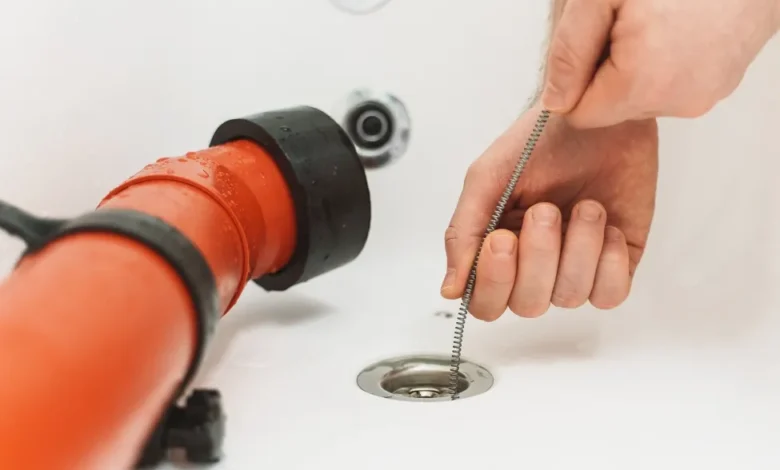
When plunger and fizz fail, a drain snake (or auger) is the next tool. It physically hooks and extracts clogs. Home improvement stores sell affordable snakes or the simpler plastic “Zip-It” tools. Steps:
- Insert the Snake: Push the snake’s end into the drain. Keep feeding it in until you feel resistance; that’s the clog.
- Rotate and Hook: Turn the handle clockwise (or move back and forth if it’s a Zip-It). This rotation helps the tip snag hair, soap pieces, or other debris.
- Pull Out the Clog: Slowly withdraw the snake. You’ll likely bring out a tangle of hair or gunky material. Dispose of it in the trash (not back down the drain!).
- Test and Repeat: Run water to see if the drain clears. If still slow, try snaking again to catch anything missed.
One plumber explains that snakes are especially useful for hair clogs: “Insert, twist, and pull out that hairball” (paraphrased from plumbing advice). In practice, this works: a homeowner with a shower hair clog said snaking removed a dense wreath of hair in a single pull.
For sinks, the snake should reach past the P-trap (the U-bend under the sink). If you can’t reach far enough, the next step is to clean the P-trap itself.
Method 4: Cleaning the P-Trap
Removing the U-Shaped Pipe Under Sinks
The P-trap is the curved section of pipe under sinks that often holds debris. Many clogs actually live here, and clearing it can be very effective. Warning: This step involves plumbing disassembly, so wear gloves.
- Prepare: Place a bucket underneath the trap to catch water.
- Disconnect: Unscrew the slip nuts at each end of the P-trap (many can be turned by hand; use pliers if needed).
- Remove and Clean: Take out the trap and dump its contents into the bucket. You’ll often find hair clumps, grease, or built-up gunk. Scrub it clean and rinse it thoroughly.
- Reattach and Test: Put the trap back, tighten the nuts, and run water. If reassembled correctly, your sink should drain normally now.
According to Ruvati (a plumbing resource), cleaning the P-trap is a last-resort but effective method. It’s similar to an experienced plumber’s move. In fact, many professional troubleshooting guides advise this when above-drain methods fail.
Quick Comparison of Methods
Here’s a side-by-side look at popular unclogging techniques:
| Method | Best For | Tools/Materials | Time |
|---|---|---|---|
| Boiling Water Flush | Grease, soap clogs | Kettle of water | ~5 minutes |
| Baking Soda + Vinegar | Light clogs, maintenance | Baking soda, vinegar, hot water | ~20 minutes |
| Plunger | Moderate sink/tub clogs | Standard plunger | ~10 minutes |
| Drain Snake (Auger) | Hair & deep clogs | Drain snake or Zip-It tool | ~10-15 minutes |
| P-Trap Cleaning | Heavy sink clogs | Wrench/pliers, bucket, gloves | ~15-20 minutes |
| Wet/Dry Vacuum (Bonus) | Tough clogs (loose debris) | Shop vacuum | ~5 minutes |
When (And Why) to Avoid Chemical Cleaners
The Hidden Dangers of Popular Drain Cleaners
Reaching for a bottle of chemical drain cleaner can be tempting when you want instant results. However, numerous plumbing experts and sources strongly advise caution. For one, these chemicals often do more harm than good. Here’s why:
- Pipe Damage: Most drain-cleaning products contain lye, sulfuric acid, or powerful oxidizers. These chemicals generate intense heat and corrosive action inside your pipes. Over time, this can eat away at metal pipes and even warp plastic (PVC) lines. In older homes with galvanized or cast-iron plumbing, chemical exposure can cause rapid rusting and thinning of pipe walls. A small bottle of cleaner could mean hundreds of dollars in future repairs.
- Partial Clog Removal: Harsh cleaners tend to only burn a small hole through the clog rather than remove it entirely. The remaining debris often stays stuck, leading to recurring clogs. In other words, you solve the immediate backup but not the root issue.
- Health Risks: These products can be dangerous to use. Fumes from chemical reactions can irritate or injure eyes, nose, and lungs. If chemicals splash (say into a drain without water), they can cause chemical burns on skin or eyes. Even worse, mixing cleaners (or using them after a different one) can create toxic gases. Household pets are at risk too if any residue remains.
- Environmental Impact: When these chemicals flush out, they enter the sewage system. They can kill beneficial bacteria in septic tanks and harm aquatic life downstream. For example, sulfuric acid drain cleaners are toxic to the microorganisms that treat wastewater.
Because of these dangers, many professionals recommend mechanical cleaning methods instead (snakes, hydro-jetting, etc.). At minimum, even if you use a chemical cleaner, follow strict safety rules:
- Wear protective gear. Always put on goggles and rubber gloves before handling chemicals.
- Ventilate. Open windows or use an exhaust fan during and after use.
- Never mix products. Using multiple cleaners back-to-back is extremely risky.
- Flush thoroughly. After treatment, pour plenty of water down the drain to dilute any residue.
Preventing Future Clogs
Simple Habits to Keep Pipes Flowing
The best cure is prevention. A few mindful practices can drastically reduce clogs:
- Use Drain Strainers: Fit mesh screens or hair traps in sinks, showers, and tubs. These catch food particles, hair, and other debris before they enter the pipe. Empty them regularly.
- Dispose of Grease Properly: Never pour cooking oil or fat down the kitchen sink. Let grease cool and throw it in the trash. Even small amounts of grease can solidify and build up inside pipes.
- Cold Water With Garbage Disposal: If you have a garbage disposal, always run cold water while it’s on. Cold water keeps grease solid so the disposal can chop it up. Hot water can melt grease that later solidifies in the pipes.
- Regular Hot-Water Flush: Every month or so, pour boiling water (or as hot as safe) down your drains. This simple habit can dissolve light buildup. As Drain-Pro Inc. suggests, running hot water with a bit of detergent regularly helps break down grease and prevent scale.
- Mind What You Flush: In bathroom drains, avoid flushing hair, dental floss, or cotton balls. In the kitchen, scrape food scraps into the bin (even if you have a disposal) and avoid coffee grounds or egg shells.
- Clean Stoppers and Strainers: Hair and soap scum collect on stoppers and in strainers. Pop them off occasionally and wipe off the gunk.
Common Drain Problems and Quick Fixes
| Problem | Symptoms | DIY Solution |
|---|---|---|
| Grease Buildup | Slow or oily kitchen sink | Run hot water + dish soap flush |
| Hair Blockage | Slow shower/tub drain, hair visible | Use a drain snake or pull out hair by hand |
| Soap Scum | Slow drain with soap residue | Baking soda + vinegar wash, then rinse with hot water |
| Food Debris | Gurgling sounds from kitchen sink | Plunge vigorously, then hot water flush |
| Multiple Fixtures | All drains clogging together | Likely main line issue – call a plumber for professional cleaning |
When to Call a Professional Plumber
Signs It’s Beyond DIY
Most household clogs respond to DIY methods, but some indicate bigger problems:
- Multiple Drains Back Up: If both the sink and shower (or multiple fixtures) are clogged, the problem may lie in the main sewer line. This often requires professional tools (like hydro-jetting) to clear.
- Recurring Clogs: If the same drain clogs repeatedly, there might be a pipe damage or root intrusion. A plumber can use a camera to diagnose the issue.
- Foul Sewage Odors: Bad smells that don’t go away with cleaning can mean trapped waste far inside the pipes.
- DIY Doesn’t Work: If you’ve tried plumbing snake, plunger, baking soda, and hot water and the drain is still blocked, it’s time to call someone.
Professional plumbers have heavy-duty equipment that homeowners typically don’t. They can fix the problem once and for all, ensuring your plumbing system stays healthy. While it costs more upfront, it can prevent future headaches.
Final Thoughts
Clogged drains can be a hassle, but with the right approach you can solve them like a pro. Start with the simplest methods (boiling water, plunger) and move to more involved steps (snake, P-trap) only if needed. Avoid harsh chemicals unless absolutely necessary – they often do more harm than good.
Above all, prevent problems before they start. Use strainers, dispose of grease properly, and flush with hot water regularly. These habits will keep your pipes clear and your home running smoothly. By understanding how to unclog a drain and taking preventive measures, you won’t dread the next plumbing issue—you’ll handle it confidently like a home-improvement champ.