What Makes Drains Get Blocked? Drains get blocked when hair, soap, grease, and some parts of food get stuck together. If you are wondering how to fix a blocked drain, understanding the causes is the first step to solving the problem quickly. These conglomerations cause water to be unable to flow. Kitchen drains get blocked by grease and food. Bathroom drains get blocked by hair and soap.
Things Needed to Fix Blocked Drains
- Hot Water: Removes oil and particles by creating a safe environment. Don’t use the very hot water on plastic pipes.
- Plunger: A plunger is a tool that helps in the removal of obstructions by pushing and pulling. Use gloves and eye protection while you do this.
- Baking Soda and Vinegar: These both make bubbles that clean the pipes the most natural way. They are perfectly safe for plastic pipes as well.
- Salt: Salt, as a rule, aids in rubbing the inner surfaces of the tubes. Stir the salt with warm water and then rinse with it.
- Wire Hanger: Can only be used to remove hair and small particles. Fold it flat to finish it off.
- Bucket: Collect dirty water and maintain hygienic conditions on the floor.
- Gloves: A barrier between you and the germs that are present in the environment. Use a mask when you are around germs.
- Drain Snake: This is a long device that can be inserted deep into pipes and retrieve items that are jamming the system. It can break up big blockages.
How to Fix a Blocked Drain(6 Methods)
Method 1: Hot Water
One of the simplest methods in how to fix a blocked drain is using hot water to break down grease.
Boil the water until the boiling point and then pour it slowly in two parts. After pouring each part, wait a few seconds. The heat melts the grease to make the distance and helps the pressure to be retracted, which subsequently rushes down the drain.
Important: Warm water can only be used on plastic pipes. Very hot water can cause damage to plastic ones, so do not use it.
Method 2: Baking Soda and Vinegar
This natural method is very safe and works superbly.
Pour one cup of baking soda into the drain. Right after it, add one cup of white vinegar. Use a cloth to cover the drain. Allow it to bubble for 20 minutes. Use hot water to flush away everything else.
This technique removes soap and grease, but it is not effective on hair blockages.
Method 3: Salt and Hot Water
Adding salt to the process helps in cleaning the pipes of the lime and iron oxides that have built up and hardened.
Pour the salt down the drain from the bottle. Pour down the hot water in a slow manner slowly. The salt cleans off the grease from the inner pipe walls. Do this at least one time a week to ensure there is no clog that forms.
Method 4: Using a Plunger
To most blockages, plungers make the quickest remedy.
Put pouring water in the sink to cover the plunger cup on top of the plunger cylinder. Hold the plunger over the drain hole. Then push and pull firmly for 20 seconds. See if the water continues to drain better. Repeat if necessary.
Use a wet, wrapped cloth to cover any overflow holes to make the plunger more effective.
Method 5: Wire Hanger Method
This method is employed to remove hair and small objects.
Start by straightening a wire coat hanger. Create a small hook at the end of it. After cautiously pushing it down the drain, you can remove any hair or other objects. Take enough time to remove it gently. Then you may pour boiling water down to clean.
Method 6: Drain Snake Tool
This tool is able to reach deep clots of the drainage that other methods are not able to. Insert the snake into the drain until it hits some hard material. Use the handle to break up or grab the clog.
Make sure to drag the snake slowly. Gush the dirt away with boiling water. Since this is a messy job, we recommend that you always wear gloves.
Fixing Different Types of Drains
Different areas require different approaches when learning how to fix a blocked drain.
Kitchen Sink Drains
Kitchen sinks mainly get clogged by grease or food particles. As a suggestion, first, remove those that you can see. Then, mix hot water with liquid soap and pour that down the drain. If water is still not going down, use a plunger. And, when this fails to work, try the baking soda and vinegar method.
Bathroom Sink Drains
Bathroom sinks mostly fall victim to hair and soap blockages. In such a case that it is possible: take the top off the drain. Pull any hair in sight. Use a snake tool to free the deeply stuck hair and then pour free flow of hot water down the drain when done.
Shower and Bath Drains
Showers and baths get blocked mainly by hair and soap. If it is possible: uncover the drain.
To get the arrangement right, one more line item is needed here. It is necessary to pull out hair by hand. However, if you find a tincture that is a product of the traditional recipe, that is, salt and hot water, use it. Besides, don’t forget to put back the drain cover when this process is finished.
Floor Drains
Floor drains mainly get obstructed by dirt and leaves. Clear the dirt around the area of the drain first. Work the plunger forcefully by pushing the plunger down. Afterwards, pour hot water down to rinse out small particles. Make sure as well to clean around the drain opening.
When Water Will Not Go Away
If water is not draining at all, you need stronger methods for how to fix a blocked drain effectively. At some times water may just stand in the sink or the tub and refused to be drained. A cup or a bucket can be used to scoop the standing water. The water can be emptied to some other place such as another sink. You may also attempt some of the cleansers. Directing cleaning agents to blockage sites rather than sprinkling weakens the cleaning effects.
Safety Rules
Before putting on gloves and touching the pieces, be sure to do a deep clean of the drain parts. Be sure to don old, outdoor clothes that you do not mind getting dirty. Furthermore, animals and kids should be directed to stay away from the affected area during your “work.”
Protect your hands from getting the hot water on them with gloves. You should release the water slowly to avoid some level of splash. Finally, don’t use the hot, boiling water on the plastic pipes. It only makes sense if you use very hot tap water for plastic pipes instead.
Apparently using one cleaning method at a time is still a good way. Besides, no two or more commercial cleaners of different makes are allowed to be mixed. Also, go slow when trying different methods in order to assure safety first.
Stopping Drains from Getting Blocked
Prevention is an important part of learning how to fix a blocked drain and avoid future problems.
Use Drain Covers
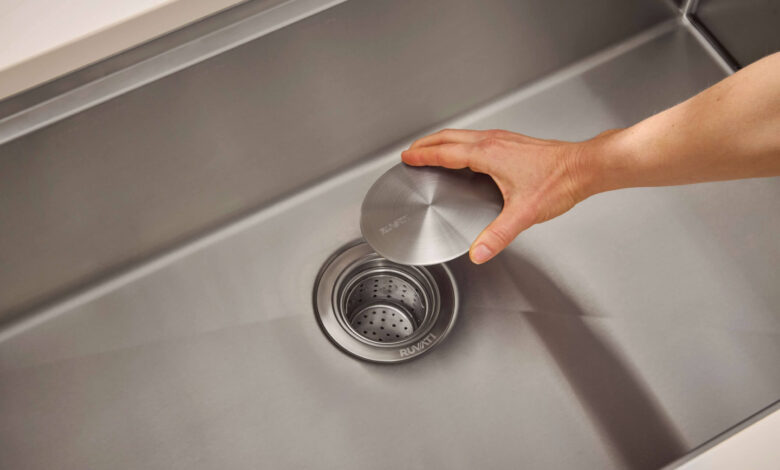
Drain hair stoppages are not a problem if one puts small screens over the drains to catch hair as well as food. Clear the debris of these covers often, about two times per week to avoid due to the things that may be washed away from the sink.
Pour Hot Water Every Week
The rule of a cup of hot water going down all drains weekly addresses possible cloggers. Oil is the culprit which makes grease stick someplace for a very long time. This is very beneficial as a dry finish makes the situation worse.
Things That Should Never Go Down Drains
No cooking oil must be disposed of down the drains. Never ever allow the fat to turn into a liquid. The insoluble scraps necessarily have to be removed through a trash bin. In the trash go also the hair from brushes. Increase the chance of cotton balls and floss to be seen in the trash can.
Clean Drains Every Month
Bicarbonate soda should be shaken into the drain once a month. Vinegar will be included and a catharsis will occur… Then, you can rinse with the hot water for about fifteen minutes. It makes sure that the systems continue to run smoothly without interruption which is characterized by odors.
What Not to Use
Dangerous Store Cleaners
The majority of the commercial drain decloggers are so strong that they can cause burns on your skin and even burns on the plastic pipes. They can produce aromas that can be harmful to the chest. Only use these in the dark side. So, count this as your last resort and make it your mission to completely master the formulas and mixes only by reading all the instructions.
Things That Make Problems Worse
Don’t plunge the blockages lower with sticks or any other tools. Overpowering tools also can break pipes. Besides, do not use hot grease to pour out of the sink. Clean small blockages as soon as they appear to prevent them from growing larger.
Tools for Different Drain Sizes
Small Bathroom Drains
Small tools like pieces of wire or bent wire hangers can be more effective because they fit better into the little spaces.
Large Kitchen Drains
Use bigger snake guns and put a lot of hot water into larger drains. More regular cleaning of these drains is necessary because of the grease deposits.
Outdoor Drains
A lot of dirt and leaves can be in these. Use your hands to take the big pieces away first, then use hot water to take away the small pieces.
Making Your Own Drain Cleaner
Basic Recipe
- 1 cup baking soda
- 1 cup vinegar
- 4 cups hot water
Mix baking soda and vinegar in the drain, let it sit for about 30 minutes. Then bring some boiled
Final Tips for Success
Start with the easiest methods first before you try anything harder. Clean up spills immediately to avoid slipping and soiling the place. Tools must be washed before storage. Seek advice or backup if there are things that you do not understand. Clean the drains at regular intervals to avoid the majority of the blockages. Doing away with the small problem when it first appears will prevent it from growing into a bigger one.
A good number of drain problems are solvable from the home side through simple methods in addition to keeping the environment safe and the use of safe cleaning agents and materials. By following these simple steps on how to fix a blocked drain, you can solve most problems at home without needing professional help.