How much is a water softener for your home in the United States? If you’re dealing with crusty faucets, faded laundry, or itchy skin after every shower, hard water is likely the culprit. A water softener can solve those headaches, but before you invest, you need real numbers.
In this guide, you’ll discover actual U.S. price ranges, installation costs, and long-term expenses. We’ll also answer important questions like, how expensive is a water softener? And is it worth putting in a water softener? so you can make a smart decision without second-guessing your budget.
| Component / Service | Typical Cost (USD) |
|---|---|
| Salt-based softener (unit only) | $500–$3,000 |
| Salt-free water conditioner (unit) | $800–$4,00000 |
| Whole-house reverse osmosis system | $4,000–$11,000 |
| Professional installation labor | $150–$1,000 |
| 40‑lb bag of softener salt | $5–$10 |
System Types and Price Ranges
Water softener systems come in several styles, and the type you choose has a big impact on price.
Salt-based (Ion Exchange) Softeners
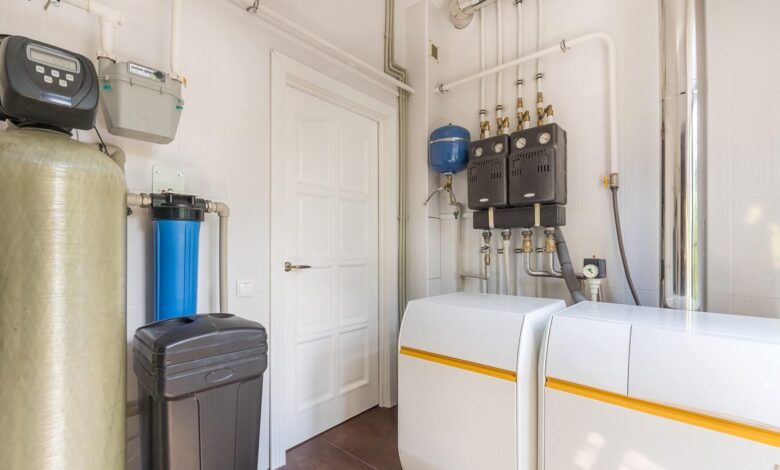
These are the most common. A basic single-tank, salt-based unit for an average home usually costs on the order of $500–$3,000 for the equipment. Dual-tank or higher-capacity models – which regenerate more often and can serve large families – can run $1,000–$5,000. (Some premium units with “smart” controls or extra filtering features may cost more.) You’ll also need to buy salt regularly (we’ll cover that below).
Salt-Free Conditioners
These systems (often called “salt-free softeners”) don’t actually remove hardness ions; instead they alter minerals to reduce scale. They’re popular where salt discharge is a concern. The upfront cost is typically higher than simple salt-based units – roughly $800–$4,000 for whole-home salt-free systems. They never use salt, which saves on salt costs but means you still use a conditioner when the minerals are neutralized.
Reverse Osmosis (RO) & Distillers
These aren’t full whole-house softeners, but many homeowners consider them. A point-of-use RO (under-sink) system that only supplies a kitchen tap might cost $150–$600. (That’s ideal for drinking water.) On the other hand, a true whole-house RO unit is a heavy-duty installation and can cost $4,000–$11,000. Countertop or plumbed water distillers – small devices that boil and condense water – usually run $1,200–$4,000. They produce very pure water but only at a slow rate, so they aren’t used for showering or laundry.
How expensive is a water softener?
If you’re asking “how expensive is a water softener?”, think in terms of ranges. A basic salt-based system (good for a small-to-medium home) can be under $1,000 for the unit alone. A mid-range system with a digital metering valve might be a few thousand dollars. Premium whole-house setups (twin tanks, UV filtration or other add-ons) can exceed $5,000. For comparison, a simple magnetic or electronic “conditioner” device (of questionable effectiveness) costs only $200–$600, but it won’t really remove hardness.
In practice, we see that most homeowners pay a few thousand dollars for a complete system and install. For example, Culligan and other sources note water softeners often fall between $500 and $10,000, with better systems toward the higher end. According to BobVila and HomeAdvisor/Angi data, the average installed cost is around $1,500.
Installation and Setup Costs
Buying the softener is just one part – installing it has its own costs. You’ll likely want a professional plumber unless you’re a serious DIYer. Here are some typical expenses:
Labor
Expect $150–$1,000 for professional installation. Simple installs (plumbing in place, no complications) can be a few hundred dollars. Complex jobs (adding new pipes, running power, or working in tight spaces) hit the higher end. On average, nationwide data shows about $1,500 for a full install, though that covers everything – from labor to basic parts.
Plumbing
If your plumbing needs updating to fit the softener, add about $0.50–$8 per linear foot for new piping. Old pipe may need replacement (copper or PVC), or new valves may be needed.
Electrical
Some softeners need electricity (for controllers or booster pumps). Running new wiring can cost roughly $2–$4 per foot. If there’s no outlet near the installation spot, an electrician might charge by the square foot to wire a nearby circuit.
Permits & Misc
In some areas you may need a plumbing permit or inspection. That might be $100–$300 depending on local fees. Also, supporting hardware (like a concrete pad or frame) could add a few hundred.
Maintenance and Operating Costs
Once the system is running, there are ongoing expenses to soften water:
Salt & Chemicals
The main ongoing cost is salt. Every few months you refill the brine tank. A 40‑lb bag of water softener salt (sodium chloride) costs about $5–$10. (Brand, purity and location can vary price a bit.) Some systems use potassium chloride instead of salt; those bags run about $50–$70 for 40 lb. If your water is moderately hard, expect roughly 1 bag of salt per month or two. So annual salt costs are usually on the order of $50–$100. (Sea salt or special pellets may cost a bit more.)
Service & Parts
It’s wise to do an annual check-up. Many experts recommend a service call each year (cleaning valves, checking settings, etc.). This runs about $100–$300 per year. In those visits a technician might replace worn seals or O-rings as needed. The filter resin itself lasts many years (often 10–20 years), so you typically don’t replace it until very late in the system’s life. Overall, annual servicing is a small price to keep the system efficient.
Energy and Water
Water softeners use electricity for controls or pumps (negligible cost, a few dollars/year). During regeneration, the system flushes out hardness. This wastes some water (often 20–50 gallons per regeneration). If water rates are high or if you’re very conscious, factor that in – but it’s usually minor. Energy.gov notes that the major ongoing expense is salt, not electricity.
Resin Replacement
After 10–15 years, the ion-exchange resin can weaken. Replacing a resin tank runs a few hundred dollars, but it’s infrequent.
Value and ROI
Given the investment, you may wonder: Is it worth putting in a water softener? For many homes with hard water, the answer is yes. Here’s why:
Protects Appliances & Plumbing: Hard water causes scale buildup (mineral deposits) inside water heaters, pipes, dishwashers and washing machines. Over time this reduces efficiency and can lead to failures. In fact, hard water can shorten appliance lifespan and raise energy costs. A softener prevents that build-up, so your water heater and other machines run more efficiently and last longer.
Saves on Soap & Detergent
Soft water lathers better. You’ll likely use less shampoo, soap, detergent and even dishwashing detergent. That saves money over time.
Cleaner Home & Comfort
Without the white scale, glassware looks clearer, faucets shine, and fabrics stay brighter. DOE research notes benefits like smoother skin, silkier hair and cleaner, softer clothes when you install a softener. (One homeowner describes it as a “simple luxury” to have no spots on glasses and soft towels.)
Energy Savings
Because scale acts as insulation inside tanks and pipes, water heaters must run longer. A softener can improve energy efficiency subtly by keeping heating elements clean.
Long-term Savings
All these benefits add up. Studies and experts find that the small everyday savings (soap, energy, repairs) and major avoided costs (replacing a $1,000 water heater early, for example) often recoup a significant portion of the upfront cost over several years. According to the U.S. Dept. of Energy, softened water can save money in the long term, especially by reducing plumbing issues and maintenance needs. (Of course, if your water is only mildly hard, the payback is less dramatic.)
FAQs
How expensive is a water softener?
That depends on model and capacity. Basic whole-house salt-based systems start around $500 for a small unit. Most standard systems (including simple installation) end up in the $1,000–$3,000 range. Premium whole-home units or special dual-tank systems can reach $5,000 or more. Remember, you also need to pay for installation (see below). In practice, a typical total project (unit + install) averages around $1,500.
Is it worth putting in a water softener?
If you have hard water, yes, for most people. The long-term benefits (protecting appliances, cleaner laundry, less soap use, and no scale buildup) usually outweigh the costs. Hard water does damage pipes and machines, so preventing it can save hundreds over time. The U.S. DOE notes that softened water leads to noticeable improvements in water quality and can pay off in savings. If your water test shows high mineral levels, a softener is usually a wise investment. If the hardness is very low, the benefit is smaller.
What’s the average cost of installing a water softener?
Installing a whole-house softener typically runs around $1,500 total (this includes labor and basic materials). The labor portion alone is roughly $150–$1,000. In simpler cases (easy access, minor plumbing), installation might be under $500. In complex cases (new piping or electrical work), it can push past $2,000. Nationally, sources report installation projects ranging from $200 to $6,000 in total, depending on home size and complexity.
What factors influence the price of a water softener?
Several things affect cost:
- System type: Salt-based vs salt-free vs RO vs others. Salt-based softeners are cheapest; whole-house RO is very expensive.
- Capacity: Bigger homes need higher-grain softeners (taller tanks), which cost more.
- Brand/features: Premium brands with smart regeneration valves or warranties cost extra.
- Installation complexity: If your plumbing or electrical needs work, expect higher labor costs.
- Geography: Labor/material rates vary by region (urban plumbers often charge more).
Each extra option (UV filter for well water, built-in carbon filter, etc.) also adds to price.
How much maintenance does a water softener require?
Plan on a modest annual commitment. You’ll refill salt about every 1–2 months (depending on usage) – 40 lb salt bags cost only $5–$10. Some owners set reminders to check salt monthly. You should also clean and sanitize the brine tank occasionally. Many recommend an annual professional tune-up: a tech will flush, calibrate and inspect the system, costing roughly $100–$300 per year. With this care, a softener will run reliably for decades. In summary, salt and minor service are the main routine costs, which are relatively low.
Conclusion
A whole-house water softener can range from a few hundred dollars for a basic unit to several thousand for a premium system, with an average all-in cost near $1,500. On top of that, installation labor adds a few hundred more. Ongoing costs – mainly water-softener salt and a bit of maintenance – are minor in comparison.
If your home suffers from hard-water buildup, those costs often pay off. Softened water protects your plumbing and appliances, improves soap efficiency, and can even make your skin and hair feel better. Many homeowners find the improved efficiency and longer appliance life outweigh the investment. In short, budget $1,000–$3,000 up front, plus modest annual salt and service expenses. Factor in your water hardness level and household size, and you’ll have a clear picture of what a water softener will cost – and whether the benefits are worth it for you.