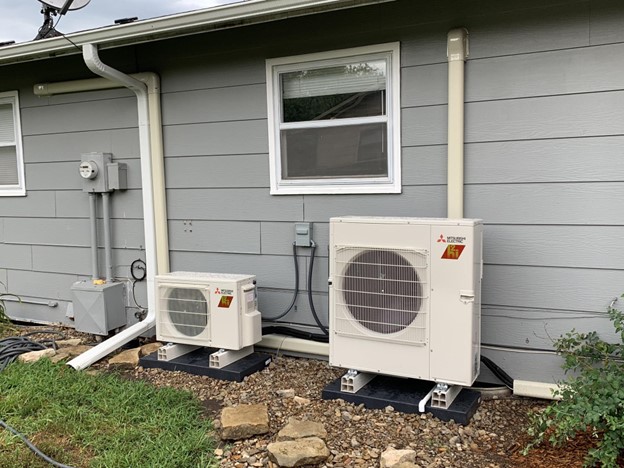
You might wonder how long an HVAC system lasts in your home. It works quietly in the background, keeping you cool in summer and warm in winter. Still, no single answer fits every house. Climate, maintenance, and usage all play a role in how long your system survives. In most homes, a residential HVAC unit lasts around 15 to 20 years before major repairs or replacement become necessary. In this guide, you’ll learn what affects its lifespan, how long each component usually runs, and how to tell when it’s time for an upgrade.
| Component/System | Typical Lifespan |
|---|---|
| Central Air Conditioner (AC) | 15–20 years |
| Furnace | 15–20 years |
| Heat Pump | 10–20 years |
| Boiler (with maintenance) | 20–30 years |
| Ductwork (steel) | 20–25 years |
| Hot Water Heater | 8–12 years |
Component Lifespans
Central Air Conditioners
Central AC units usually last 15–20 years. Over time, cycling and outdoor exposure wear on the compressor and coils. As an AC nears the end of its life, you may notice weaker cooling or strange noises. In very hot climates, AC units sometimes only last 10–12 years.
Furnaces
Furnaces also tend to run 15–20 years. After that, they may struggle to stay lit or evenly heat the home. Proper maintenance can push a furnace into its mid-20s, but neglect often forces replacement closer to 15 years.
Heat Pumps
Heat pumps generally last 10–20 years since they work year-round. In mild climates, they often reach 15–20 years; in very cold areas, they’re commonly replaced in 10–15 years unless backed up by a furnace. Declining efficiency in winter is a sign that a heat pump may be nearing its end.
Boilers
Well-maintained boilers can be very long-lived—often 20–30 years. If one is approaching three decades, watch for leaks or water stains. Rumbling noises or kettling sounds typically mean it’s time for replacement.
Ductwork and Other Parts
Steel ductwork often lasts 20–25 years if not corroded. Flexible ducts usually need replacing around 15–20 years. Leaky or dirty ducts force the rest of the system to work harder. Other components (like blower motors and thermostats) wear out too, but these are often replaced individually. Simple upkeep—changing filters and keeping vents clear—helps extend the life of all parts.
Factors Affecting HVAC Lifespan
Several factors determine how long does an HVAC system last beyond those averages:
HVAC Maintenance
Regular upkeep is key. A well-maintained system can last 20%–50% longer than a neglected one. Annual tune-ups to clean coils and check refrigerant prevent small issues from becoming big failures. Between visits, change dirty air filters and keep the system clean—these simple tasks help everything run smoothly.
Usage and Climate
How hard the system works matters too. A central AC running nonstop in a hot climate will wear out faster. “Constant use” systems often last only 10–15 years, whereas “seasonal use” can reach 15–20 years. A mild climate can push lifespan to 15–25 years, while very hot or cold extremes shorten it. Also ensure the system was installed properly; a mismatched size or leaky ducts will also reduce lifespan. For example, industry data show that in very harsh climates, systems often reach only the lower end of their expected lifespan, roughly 10–15 years. Also, homes with a lot of dust or pets can wear out filters and coils faster, which further shortens system life.
When to Replace Your HVAC System
Watch for these clues that it’s time for new equipment:
Age and Efficiency Drop
Age is a major factor. Once a system hits 15–20 years, start planning replacement. Older units become much less efficient. If it takes longer to heat/cool your home or energy bills keep climbing, your system is likely losing efficiency. Newer models restore comfort and often cut energy use by 20–30%.
Frequent Repairs and the $5000 Rule
If your HVAC needs repairs every season, replacement might save money. A simple $5000 rule helps: multiply the unit’s age by the repair cost. If the result is above $5,000, go for a new system. For example, a 12-year-old AC needing a $600 fix gives 12×600 = $7,200, so replacement is wise.
Other Warning Signs
Watch for red flags: strange noises, frequent cycling, or visible leaks. Gas leaks or safety issues in an old furnace mean replace immediately. In short, if the system breaks down often or can’t maintain comfort, it’s time for a new one.
Costs of Replacing HVAC Systems
Budgeting is essential. Expect roughly $6,300–$14,700 for a full system replacement (furnace + AC). Many estimates fall in the low five figures. Larger or premium systems cost more, while replacing just one component (AC or furnace) costs less. Financing, rebates, and tax credits can help offset costs.
Homeowners asking how much do HVAC systems cost will hear answers in that range. For example, one HVAC report notes typical replacements cost between $5,900 and $14,100. Always get multiple quotes to compare brands, efficiency, and labor.
Depreciation and Tax Considerations
For landlords or commercial owners, the IRS uses different timelines. It treats an HVAC’s useful life as 27.5 years (residential rental) or 39 years (commercial). This is a tax definition, not how long the system physically lasts. It simply determines how you depreciate the cost. Homeowners don’t use this figure for maintenance decisions.
Related Lifespans
Water Heater Lifespan
Many wonder how long does a water heater last? A standard tank water heater runs about 8–12 years before needing replacement. Electric models can reach 10–15 years; gas ones often hit around a decade. Tankless heaters last longer (20+ years). If your water heater is near 10 years old, watch for rust, noise, or leaks—they signal it may be time to replace.
HVAC Equipment Charts
Industry charts back these numbers. For example, an HVAC equipment life expectancy chart lists central AC at ~15–20 years and furnaces at 30+ years. It also shows that harsher climates shorten those ranges. These references match the ranges above, but your actual longevity depends on usage, maintenance, and installation quality.
Proactive Maintenance
Stay on top of simple tasks to extend system life:
-
Professional tune-ups: Have a technician service your HVAC each year. They’ll clean coils, check refrigerant, and ensure everything works properly. Skipping this can halve equipment life, so annual check-ups are worth it.
-
Basic upkeep: Change air filters regularly and keep vents and outdoor units clear of debris. Good airflow prevents strain on the system. These small HVAC maintenance steps keep things running smoothly and help avoid premature failures.
AI and Smart HVAC Technology
Will AI take over HVAC? Not exactly. AI-driven tools and smart thermostats make systems more efficient, but they won’t replace the equipment. For example, predictive maintenance uses AI to flag problems early. Smart thermostats learn schedules to reduce wasted runtime. In short, AI optimizes HVAC operation and maintenance, but the core heating/cooling hardware and technicians are still essential.
Conclusion
How long does an HVAC system lasts depends on its type, usage, and care. With regular maintenance and proper installation, most systems run about 15–20 years. After about 15 years, start budgeting for replacement. Keeping filters clean, scheduling tune-ups, and addressing issues promptly will help you get the most life out of your HVAC investment.
For homeowners, planning ahead is crucial. Scheduling replacement during mild weather (like spring or fall) prevents the hassle of an emergency breakdown in extreme heat or cold. This way, you won’t be left without air conditioning on the hottest summer day or heat on the coldest winter night.
Frequently Asked Questions
How often do HVAC systems need to be replaced?
Most residential systems last about 15–25 years. If your unit is over 15 years old and giving trouble, it’s wise to plan for a new one.
What is the $5000 rule for AC?
Multiply the AC’s age by the repair cost: if the result is over $5,000, replacing is usually better.
Is a 10 year old HVAC old?
A 10-year-old HVAC is getting up there. Since most units last 15–20 years, ten years is mid-life. Efficiency will be lower, and you may need more repairs.
How long does an HVAC system last in the winter?
Winter use itself doesn’t shorten the system’s calendar age, but extreme cold can stress it. Systems in very cold climates often reach only 12–15 years. Ensuring good insulation and pre-winter maintenance can help your HVAC endure the cold season.
How long does a water heater last?
Standard tank water heaters last about 8–12 years. Electric models may reach 10–15 years, while gas models average around 10. Tankless heaters can exceed 20 years. If yours is near a decade old, watch for rust or leaks—they mean it’s time to replace.