Imagine stepping onto your deck and feeling like you’ve entered a completely refreshed outdoor living space. Decking paint paint can turn worn, faded boards into a surface that feels clean, modern, and inviting. A quality exterior deck paint doesn’t just enhance appearance; it protects wood from sun exposure, moisture, rain, and daily wear. Choosing the right product and applying it correctly requires understanding paint types, preparation steps, and application techniques. This guide explains everything clearly, from what paint is best for decking to realistic coverage and cost expectations.
Choosing the Right Deck Paint
Selecting the correct paint starts with knowing your options. Deck paint is available in acrylic, water-based, oil-based, and restorative formulas. In most cases, the best paint for decking is an exterior-grade product specifically designed for horizontal surfaces that experience foot traffic. These paints offer strong UV resistance, moisture protection, and durability, helping decking remain structurally sound and visually appealing.
Deck Paint vs Deck Stain vs Deck Oil
Deck paint provides a solid, opaque finish that hides imperfections and creates a uniform look, though it requires proper priming and maintenance. Deck stain penetrates the wood while allowing grain to show, making it easier to reapply but less resistant to heavy wear. Deck oil absorbs deeply into timber, preserving a natural appearance and offering easy maintenance, but it doesn’t provide bold color coverage or surface protection like paint.
Popular and Reliable Deck Paint Brands
Many exterior wood paints can be used on decking, but purpose-made deck paints often include slip-resistant properties. Trusted brands such as Cabot, Ronseal, Sherwin-Williams, Behr, and Dulux are known for durability and weather resistance. Restorative coatings are especially useful for older decks with cracks or splintering.
Preparing the Deck for Painting
Even the best decking paint paint will fail without proper preparation. Start by removing furniture and debris, then clean the deck thoroughly using a broom or pressure washer to remove dirt, algae, mold, and peeling paint. Allow the surface to dry completely, especially in humid or shaded areas, because trapped moisture causes paint failure.
Sanding and Repairs
Inspect the boards carefully and sand rough areas, splinters, and flaking paint. Fill cracks or holes with an exterior wood filler and sand again once dry. Light sanding on glossy or previously painted surfaces creates grip for the new paint and improves adhesion.
Priming the Deck Surface
Priming is essential on bare or repaired wood. A quality exterior primer blocks tannin bleed, evens absorption, and strengthens paint adhesion. Avoid oiling the deck before painting. If oil was previously used, it must be stripped completely before priming.
Applying the Deck Paint Correctly
Once the surface is prepared, application becomes straightforward. Paint during dry weather with temperatures between 50°F and 85°F, and ensure no rain is expected for at least 24 to 48 hours. Late spring and early fall offer the most stable conditions.
Tools Needed for Deck Painting
You’ll need cleaning tools, protective coverings, quality brushes, rollers or a sprayer, deck paint, and primer if required. Always mix paint thoroughly before starting.
Step-by-Step Painting Process
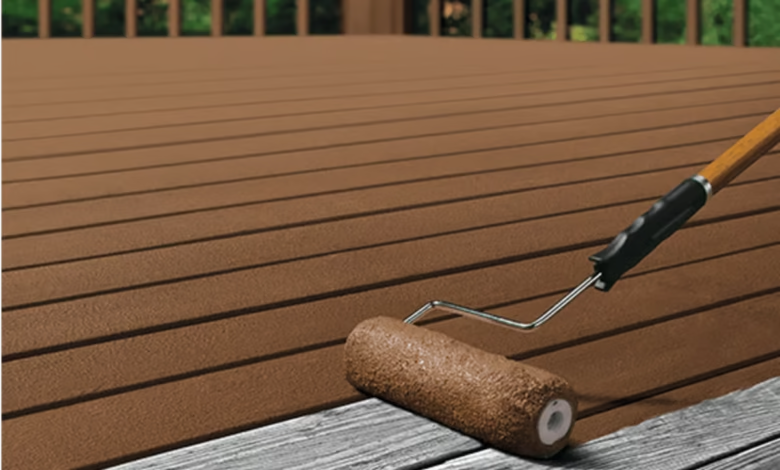
Begin by painting edges, railings, and corners with a brush. Roll paint onto deck boards following the wood grain, applying thin and even coats. Two coats are usually required for durability and full coverage. Allow the first coat to dry fully before applying the second.
Coverage, Cost, and Paint Quantity
Coverage depends on paint type and wood condition. On average, one gallon covers 75–100 square feet per coat. Smooth wood covers more area, while rough or weathered boards absorb more paint.
Cost to Paint a Deck
Professional deck painting typically costs between $2 and $5 per square foot. A 20×20 deck usually costs $800–$2,000, including materials and labor. Smaller decks cost less, while multi-level or damaged decks cost more.
Drying Time vs Curing Time
Drying refers to when paint feels dry to the touch, while curing is the full hardening process. Water-based deck paints usually dry within hours but take three to seven days to fully cure. Avoid heavy foot traffic or furniture during this period.
Best Time of Year to Paint Decking
Late spring and early fall provide ideal conditions. October can still be suitable if temperatures stay above 50°F and rain is avoided. Cooler weather allows paint to set evenly and cure properly.
Maintenance and Longevity of Deck Paint
A properly painted deck can last five to ten years. Regular cleaning, prompt touch-ups, and removing debris help extend the paint’s lifespan. High-traffic or exposed decks may require repainting sooner, while sheltered decks last longer.
Common Deck Paint Problems
Peeling often results from moisture or poor preparation. Slippery surfaces can occur when wet, so anti-slip additives may help. Fading happens due to UV exposure but can be fixed with light sanding and a fresh topcoat.
Conclusion
Deck painting improves both the appearance and durability of your outdoor space. By selecting the right decking paint paint, preparing the surface properly, and applying paint under the right conditions, you protect your deck for years. Careful planning, patience, and routine maintenance ensure long-lasting results and a deck you’ll enjoy season after season.
FAQs
What paint is best for decking?
Exterior-grade acrylic or latex deck paints are preferred for their UV resistance, moisture protection, and flexibility.
How many coats of deck paint are needed?
Two coats are usually required for even coverage and long-term durability.
How many years does deck paint last?
Most deck paints last five to ten years depending on climate, foot traffic, and maintenance.
How long does deck paint take to cure?
While paint dries within hours, full curing typically takes three to seven days.
Is October too late to paint outside?
October can be suitable if temperatures remain above 50°F and rain is avoided.