How to Remove Rust from Metal: Step-by-Step Complete Guide
Why does metal get rusty, and how to remove rust from metal? Rust is the reddish-brown substance that occurs when metal comes into contact with the air and water. It is like iron and oxygen covered with a coat. This cover is fragile and can be easily broken. Rain turns metal into rust. Rust makes metal brittle, and therefore, we have to clean it. This guide is about how to Remove Rust from metal using home-made acid, such as vinegar and baking soda. We will also show you how to prevent rust from reappearing.
Method 1- White Vinegar and Salt
Still wondering how to Remove Rust from Metal? White vinegar can absorb rust because it is unique. Salt, in turn, makes vinegar more effective at removing rust. You can either totally cover or scrub it with vinegar alone.
What You’ll Need:
- Vinegar (White)
- Salt (White)
- A bowl for putting the object to be cleaned
- An old toothbrush or scrubber
- Baking soda (to stop the vinegar)
- Water
- Rags
- Gloves
Steps to Follow
- Prepare a vinegar bath: Place the rusty item in a plastic or glass bowl. Pour vinegar over it, which is enough to cover the rust.
- Stir in salt (optional): Usually, 1 spoon is enough for each cup of vinegar. And it’s best to do it once.
- Soak the rusty item: Vin the item and let it be in the vinegar for a few hours or a night. A rusty material may be needed for 1-3 days so let it be over the night.
- Let Your Rust Be Scrubbed: Use the gloves, take the item out, and remove the rust by rubbing with a brush or pad.
- Prevent the vinegar: Wait a minute, dip it into a cup of water mixed with a spoon of baking soda to neutralize the vinegar and clean it with a clean rag.
Make it dry & spray a protective coat on it. Before you go ahead get the offending item and then get it prepared for the action that will be happening. The applying of a bit of either oil or paint can aid in the prevention of the appearance of new rust.
Warning Tips
To reduce risks, one should wear gloves and avoid getting in touch with the eyes. You may feel a slight pain or sometimes tears in your eyes due to the smell of vinegar. Make sure to completely rinse the item so that no vinegar is left. This method will not harm steel, but it can hurt the aluminum or chrome of another. Take off the aluminum parts of your item or try to limit the period of soaking them in the liquid.
Method 2-Using Baking Soda Paste
Baking soda is like a gentle scrub that can take rust away.
What You’ll Need
- Baking soda
- Water
- Scrub pad (like scouring pad or steel wool)
- A bowl
- Gloves
Steps to Follow
Get some baking soda and mix it with a little bit of water. Then apply only a small amount of the resulting mixture on it. You should stir it well for ensuring that it becomes thick and sticky. Leave it there for 10-20 minutes to stick well. The thicker the paste the better the performance. Every surface, even that of the blades, sent to the dishwasher, has the rust removed.
- Spread it on the rust: Slather a thin layer of the tacky substance around the blighted portion. Let it sit for 10-20 minutes, thus the adhesive quality will increase.
- Scrub it off: Just get a wet scrub pad or a brush and rub the paste onto the affected part. Also, make the scrub pad wet in order not to scratch the metal too much. But pay attention, you may observe bubbles when baking soda is reacting.
- Repeat the process: A suitable piece of cloth is needed to wipe off the paste together with the rust from the metal surface. However, if the rust still persists, simply add the paste again and do the scrubbing once more. Pay specific attention to the edges beside the sink countertop. The paste works great even in the laundry room, especially on bicycle chains.
- Dry it well: Mop the iron off and put oil or/ plus paint on it to keep rust away.
Safe Tips: Baking soda is safe and non-harmful, though it may irritate your eyes if rubbed into them. Hence, do not rub your eyes. Alternatively, if your skin is sensitive, you may wear gloves to protect the sensitive area.
Method 3- Using Lemon Juice and Salt
The acid in the lemon juice helps to wash away the rust and the salt functions as mini sandpaper parts. It is also great for cleaning small rusty objects.
What You’ll Need
- Lemon juice (fresh or from a bottle)
- Salt
- Cloth or scrub pad
- Bowl
- Water for rinsing
- Gloves
Steps to Follow
- Make the mixture: Purchase yourself a bottle of lemon juice and take some water. Add salt’ in a bowl and then the rest of the ingredients. Blend them together, and the paste can be designed
- Put the paste on the rust: Spread the mix of lemon juice and salt over the rusted areas with the help of a cloth or scrub pad.
- Let it sit for a while: Lay down the surface with the contamination that has been absorbing the mixture for half an hour or two. The lemon juice will act on the rust, no question. Also, as the compound accelerates to form, it should be left for half an hour, otherwise, rust might appear.
- Scrub the rust off: Once the paste is dissolved, rub it with the pad. Most of the rust is expected to come off. If there are still rusty areas, clean them and apply the solution to them to help them last longer.
- Rinse and dry it: Tinge off the paste and the rust with water. Make it completely dry. Last of all, coat the metal with oil or a protective coating to prevent rust.
Safe Tips: Lemon juice usually doesn’t have side effects when consumed in small amounts, but it might irritate exposed cuts or sensitive skin. Dampening gloves is a good thing. Salt has a rough texture, so it should not be inhaled. You can use this method on your kitchen tools or even jewelry.
Method 4- Using Aluminum Foil and Water
An inspiring idea came to me while reading about using aluminum foil to remove rust. When you scrub that way, it really helps dig the rust off. The sheet is like a scratch pad for the rust. The rust won’t even take an exit from the area with water or vinegar.
What You’ll Need
- Aluminum foil
- Bowl of water (or vinegar)
- Rubbing alcohol or vinegar (optional)
- Gloves
Steps to Follow
- Make a foil ball: Take aluminum foil and loosely mold it into a ball.
- Dip it in liquid: I chose to soak a paper towel in vinegar and let the toilet residue soak overnight. To assist, you can also dip the foil in water, which will result in a small amount of assistance.
- Scrub the rust away: Rub the rusty spot with wet foil and do circular formations. The first step is to wet the metal and foil with water, then rub the rust off. The sand-like rust has been removed and is now on the foil!
- Check and scrub more: Before long, you will need to re-wet the ball. Do so till all the rust is out.
- Wipe and dry: After cleaning the surface, use a damp cloth to remove any remaining dirt. After drying the metal, apply some oil to prevent rusting.
Safe Tips: The techniques being used are completely safe and won’t cause any negative side effects. It is always better to be cautious and put on gloves since the aluminum foil might have some sharp edges. It is not designed to fix heavy rust and we will better off using simple wipe polish to the top layer of the metal.
How to Use Store-Bought Rust Removers
If the rust is too strong, you can employ special chemicals to get rid of it quickly. This is because it is more powerful than the things that can be found at home.
Naval Jelly (Thick Acid Gel)
This is a thick gel that hardware stores offer which is thinkable of both the properties of rust removal and paint thinner. It contains a strong acid, phosphoric acid.
Steps:
- Spread the gel on the rusty spot. Make sure to wear gloves.
- Stay for five to ten minutes but not more than fifteen minutes.
- Observe the rust getting away, then do the rinsing of the gel with water and the drying of the metal.
Safety Tips:
Put on gloves and goggles. It is harmful because of the acid, which can cause a burn if skin comes into contact with it. Do not use it on painted or plastic areas. Waste should be disposed of properly, for example, by washing it down the sink.
Other Rust Removers
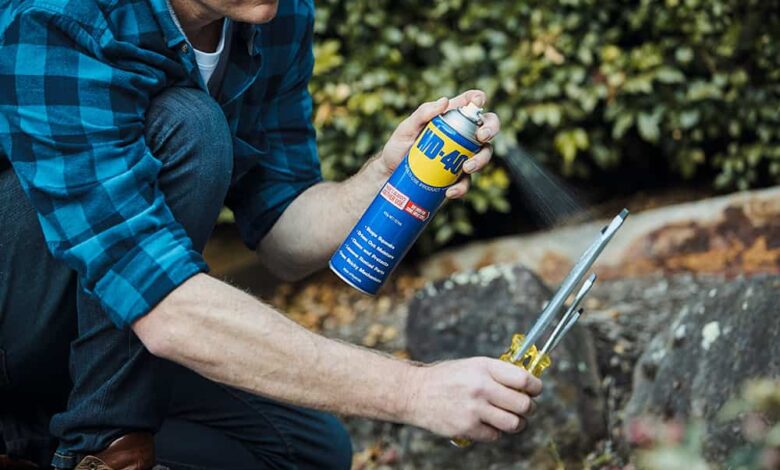
The store shelves are full of sprays and liquids such as Rust-Oleum and WD-40 Rust Soak. They are impactful cleaners due to their significant amount of chemicals, which clean rust extremely fast. They are fast but more expensive and also dangerous to others.
How to Use Them:
- Read the instructions written on the label carefully.
- You can spray or rub it on, then wait a bit before washing it off.
Be sure to use gloves and goggles every time. These materials can quickly clear rust, sometimes within seconds. Before applying to the treated surface, the instructions for use must be read carefully. Always check recent and updated method on how to remove Rust from Metal, so you can stay updated.
Comparing the Methods
Here are easy ways to remove the rust:
- Vinegar & Salt: Ideal for swamping metal tools. It’s affordable, and it is powerful. Just sit/walk through the dirt and rain without reaching well, and it stinks.
- Baking Soda: Excellent for removing small rust spots. The safe and simple use of this substance is complemented by its disadvantages, including the need for hard scrubbing and its lack of suitability for deep rust.
- Lemon Juice & Salt: Try it on small rusty spots. You can apply it to your food, which is cool. The only thing is, it works slowly and is a bit uncanny.
- Aluminum Foil & Water: This is very effective for a light rust situation. It is basically free of chemicals. Again, the trick of cleaning a rusty surface has changed and the heavy work is in some way replaced.
- Naval Jelly: Go to the History tab if you want a fast terminal. You should take care because, first of all, it is super powerful and also can completely strip the paint if you are not careful enough.
- Other Acidic Removers: They will do the job quickly and will be able to penetrate any cracks in your item, and they are notoriously the most dangerous. Only specialists are allowed to deal with them.
All processes ultimately offer similar results, but they operate in dissimilar ways. For instance, certain robust gels are bound to remove rust quickly, but they are also likely to scrape the paint away. Using household products is more secure and cheaper, but they take a little longer and more effort. Choose a way by analyzing how rusty and how big the object is, and how quick you need to repair it.
Safety Tips
Wear gloves and glasses when cleaning rust to protect yourself from injury. Soaps and cleaning products can harm a person’s skin and eyes. Choose a place that has fresh air to clean regularly.
- Open the windows or go outside, as the acid that is used can cause a sickening smell.
- Simply don’t combine two different cleaners for instance, don’t mix vinegar with bleaching agents because it can make very dangerous fumes.
Water is used to wash metal parts after using acids. Baking soda dissolved in water can be used to neutralize the remaining acid. See to it that the metal is dry before you put it away. Use old newspapers or plastic on the floor to absorb dirt. Follow local disposal on trash mixing.
Cleaning Rust on Different Things
Tools
Put a wrench and other small metal parts in a vinegar solution and leave them there to clean the rust away or rub them with baking soda. Rinse the cleansed items properly and apply oil to prevent corrosion
Kitchen Stuff
Use a steel wool with a soapy solution to help get the rust off cast iron pans. Then dry the iron and coat it with a little oil. Later, bake it in an oven to produce heat. Vinegar or lemon can be used as alternatives. Caution: strong acids can be hazardous if the circumstance is one of food safety.
Furniture and Home Stuff
Use a metal brush to remove rust from metallic items. Vinegar works here as well if you use a rust remover too. Besides, just apply a fresh coat of paint on the place, and you are good to go.
Car and Machine Parts
Deep cleaning by using heavy-duty products like Naval Gel is preferred only for large metal parts in a car factory. When working in the garage, the mask must be used. Apply paint first after you have cleaned it with the spray to protect from moisture getting in.
Preventing Rust
After removing rust, the final step is to avoid its recurrence.
- Keep Metal Dry: Just keep the tools and metal items in a dry place. Clean them every time you use them to avoid water sticking. Staying close to places like a bathroom can cause rust, so the use of the dryest place possible is a must.
- Use Protective Coatings: Painting and waxing the metal are the best ways to keep water out. More than that, you can actually use those clear sprays. If you are doing projects at home, be sure to use the specialized steel paint.
- Oil or Grease: Apply a thin layer of oil or spray designed for metal to protect it from water. Use vegetable oil to lubricate tools like saw blades, and even spray WD-40 into joints.
- Use Galvanized or Stainless Steel: If rust is a recurring problem, use rust-resistant metals. Both galvanized and stainless steel are rust-resistant metals. If you like you may try the rust resistant metals galvanized or stainless steel ones.
- Regular Upkeep: Inspect metal materials regularly. Buff and repaint any cracks before rust develops. Furthermore, metal items should be oiled or waxed outdoors at least once a year.
Keeping metal dry and covered prevents rust. Engaging in these activities can help protect the iron for a long time, so rust will not occur again. So this guide about how to remove Rust from Metal will be helpful for you if you want more home improvement ideas. Stay connected with us.